Understanding How Do E Cigarettes Work: Everything You Need to Know
The topic of how do e cigarettes work has gained significant relevance in recent years, as vaping has rapidly replaced traditional smoking for millions of people globally. But what exactly sets e-cigarettes apart and how does the underlying mechanism function? Here, we’ll dive deeply into the science behind vaping devices, covering everything from their components to their operation—ideal for both newcomers and seasoned vapers seeking enhanced insights.
What Are E Cigarettes and What Do They Contain?
An e-cigarette, also known as a vape pen, electronic cigarette, or vaporizer, is an innovative device designed to deliver nicotine (or other substances) to users via inhalation in vapor form. Unlike traditional cigarettes, e-cigarettes don’t burn tobacco—they heat a liquid solution called e-liquid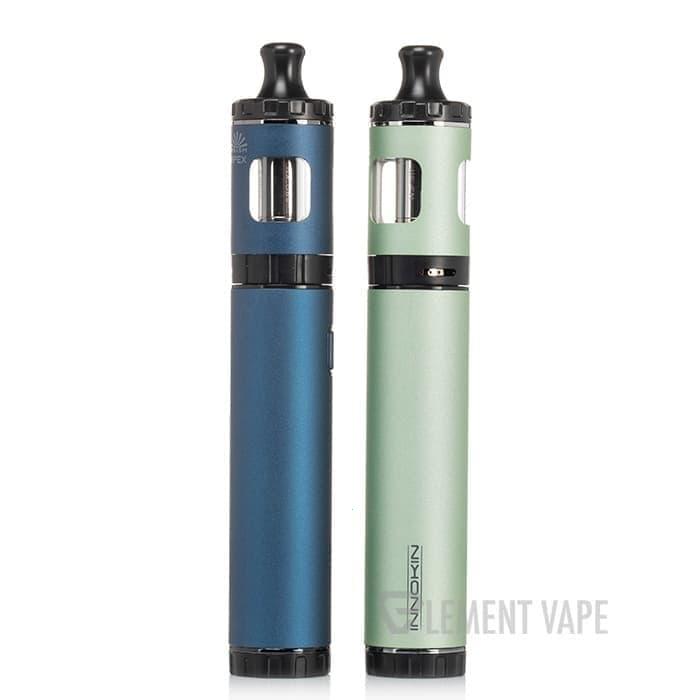 or vape juice.
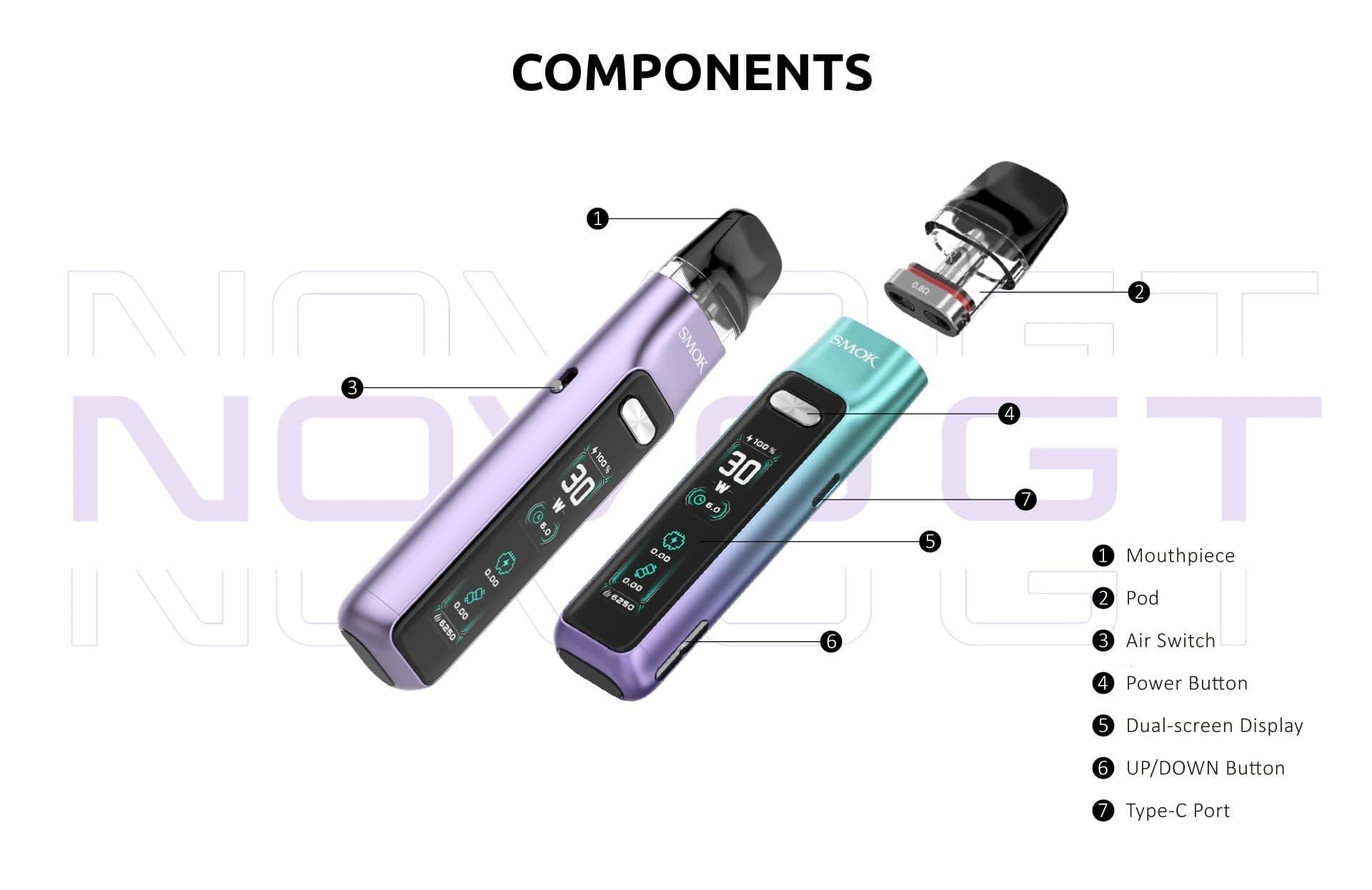
- Battery: Powers the device. Usually rechargeable and part of the body.
- Atomizer/Coil: Converts e-liquid to vapor by heating it up.
- Cartridge/Tank: Holds the e-liquid or vape juice.
- Mouthpiece: Channel through which the vapor is inhaled.
The Science Behind How Do E Cigarettes Work
The process behind how do e cigarettes work may initially sound complex, but the basics are straightforward. When a user activates the device—either by pressing a button or simply drawing air through the mouthpiece—the battery supplies power to the atomizer. This atomizer contains a coil (resistive wire) wrapped in a wicking material that soaks up the e-liquid. Once powered, the coil heats up rapidly, vaporizing the e-liquid into a fine aerosol mist. This mist, commonly referred to as ‘vapor,’ is then inhaled by the user. No tobacco combustion takes place, which means fewer harmful byproducts than traditional cigarettes.
What Is in E-Liquid?
The e-liquid (or juice) is a vital component that makes vaping possible. It typically consists of:
- Propylene Glycol (PG): Adds a stronger throat hit, carries flavor well.
- Vegetable Glycerin (VG): Produces more vapor, adds sweetness and smoothness.
- Nicotine (Optional): Allows users to control their nicotine intake by choosing varying strengths, or go nicotine-free altogether.
- Flavorings: Food-grade flavors, ranging from tobacco and menthol to fruity, dessert, or unique blends.
Vaping vs. Smoking: What Makes Vaping Different?
Unlike smoking, which involves burning tobacco and inhaling smoke, vaping is a process based on vaporization. This distinction is crucial for health reasons. Vaping eliminates tar and many carcinogens produced by combustion, making it a popular cessation tool and a perceived less harmful alternative. Many scientific studies suggest that, although not completely risk-free, vaping is generally considered to be less hazardous than smoking cigarettes. Flavors and customizable nicotine levels also offer former smokers a smoother transition.
Types of E Cigarettes and Their Unique Mechanisms
There are many e-cigarettes available today, each with distinctive features designed to cater to different user preferences:
- Cigalikes: Small, cigarette-shaped, easy to use, disposable or rechargeable.
- Vape Pens: Larger batteries and tanks, refillable, customizable flavors and strength.
- Pod Systems: Ultra-convenient, use replaceable pods pre-filled with e-liquid.
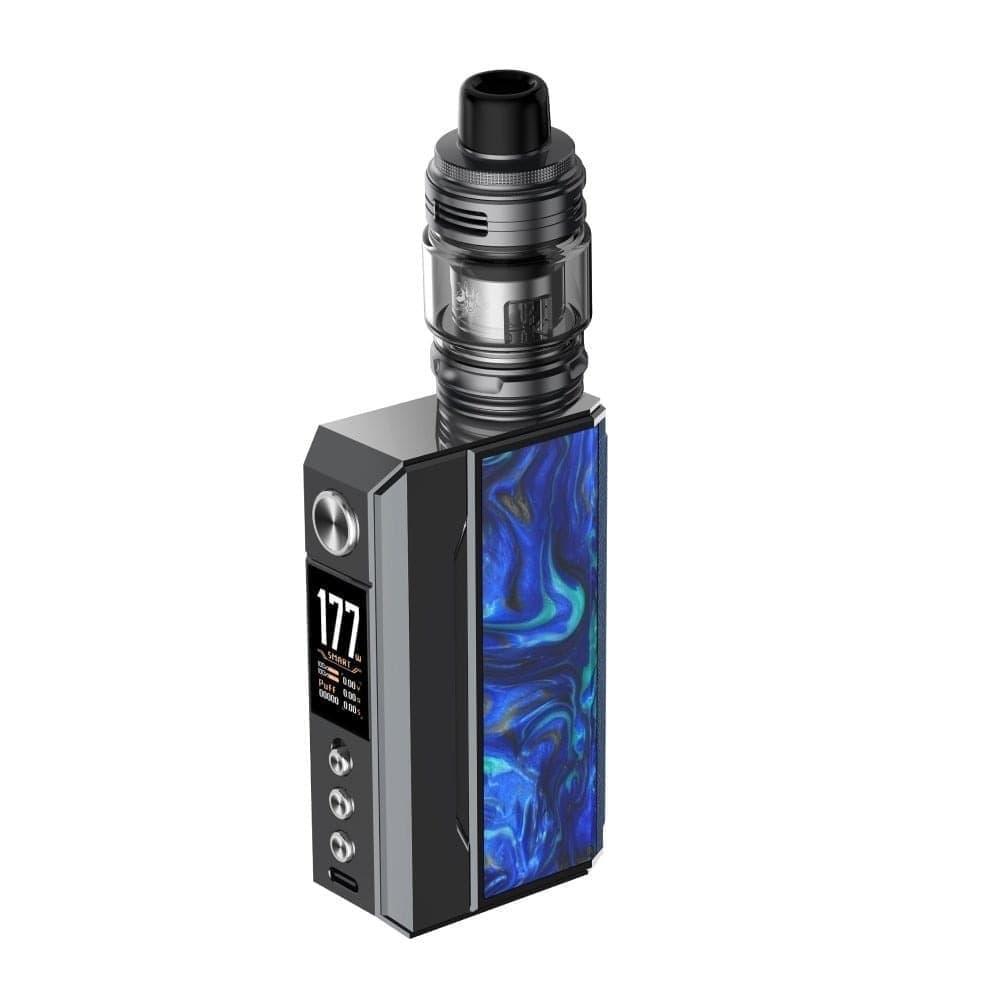
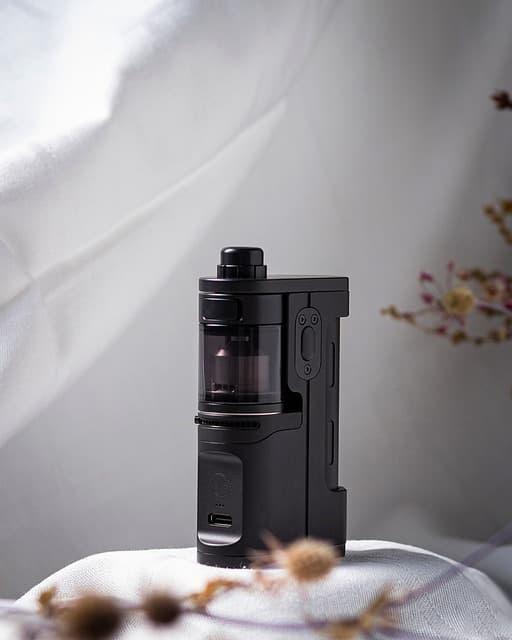
- Mods & Advanced Kits: Highly customizable, contain large batteries and tanks, adjustable power, favored by enthusiasts.
The working principle remains the same—liquid is heated by a coil and then inhaled as vapor—but user experience, vapor output, battery life, and customization options differ greatly.
Key Benefits of Understanding How Do E Cigarettes Work
- Control: Users have complete command over nicotine intake by selecting e-liquids with preferred strengths.
- Variety: An enormous spectrum of flavors, styles, and device types exists, enhancing personalization.
- Potential Health Improvement: Many make the switch to reduce or quit traditional smoking due to decreased exposure to toxins.
- No Secondhand Smoke: Only vapor is produced, and it dissipates quickly, minimizing impact on others and the environment.
Are There Risks When Using E Cigarettes?
No product is entirely without risk. While research points out that vaping is less harmful than smoking, possible risks include potential addiction to nicotine, the unknown long-term effects of inhaling certain substances found in e-liquids, and hazards arising from improper use, such as battery issues or unsafe DIY e-liquids. It is essential to always purchase reputable brands and follow usage guidelines closely for maximum safety.
How Safe Is Vaping Compared to Smoking?
Because how do e cigarettes work doesn’t involve burning tobacco, the vapor lacks most of the tar and many of the poisons typical to cigarette smoke. However, some flavorings and compounds—when heated—may still have adverse effects. Ongoing research is continually updating our understanding of vaping’s long-term effects, but consensus currently suggests it’s less harmful than smoking combustible cigarettes.
Tips for Proper E Cigarette Use
- Charge batteries responsibly and avoid overcharging.
- Only use high-quality, tested e-liquids and replacement coils.
- Clean your device regularly for maximum efficiency and hygiene.
- Store e-liquids and products safely, especially away from children and pets.
The Future of E Cigarettes
Technological advances are ensuring better safety, improved battery life, and more authentic experiences for users. As more research becomes available, regulation and product development will continue to advance, further distinguishing vaping as a unique alternative to smoking. Whether used as a cessation aid or a recreational alternative, understanding how do e cigarettes work is crucial for making informed choices.
Frequently Asked Questions
- Q1: Does vaping help quit smoking?
- Many smokers have successfully transitioned to vaping to gradually reduce nicotine intake, but results vary individually. Combining vaping with other cessation strategies increases the chance of quitting cigarettes for good.
- Q2: Is secondhand vapor from e-cigarettes harmful?
- Studies indicate that secondhand vapor contains fewer toxins than cigarette smoke, but individuals with respiratory conditions should still avoid regular exposure.
- Q3: Can youngsters safely use e-cigarettes?
- E-cigarettes are not recommended for non-smokers, youth, or pregnant individuals. They are designed as harm-reduction or cessation alternatives for adults who already smoke.