Understanding E Cigarette Lung Effects: What Every Vaper Needs to Know
In recent years, the popularity of e cigarettes has soared. Many people view vaping as a safer alternative to traditional smoking, but what are the true e cigarette lung effects? For existing vapers and potential users, it’s crucial to have a clear understanding of what vaping can do to your respiratory health. Here, we’ll break down the science, recent studies, potential risks, as well as misconceptions about vaping and its effects on the lungs.
What Are E Cigarettes and How Do They Work?

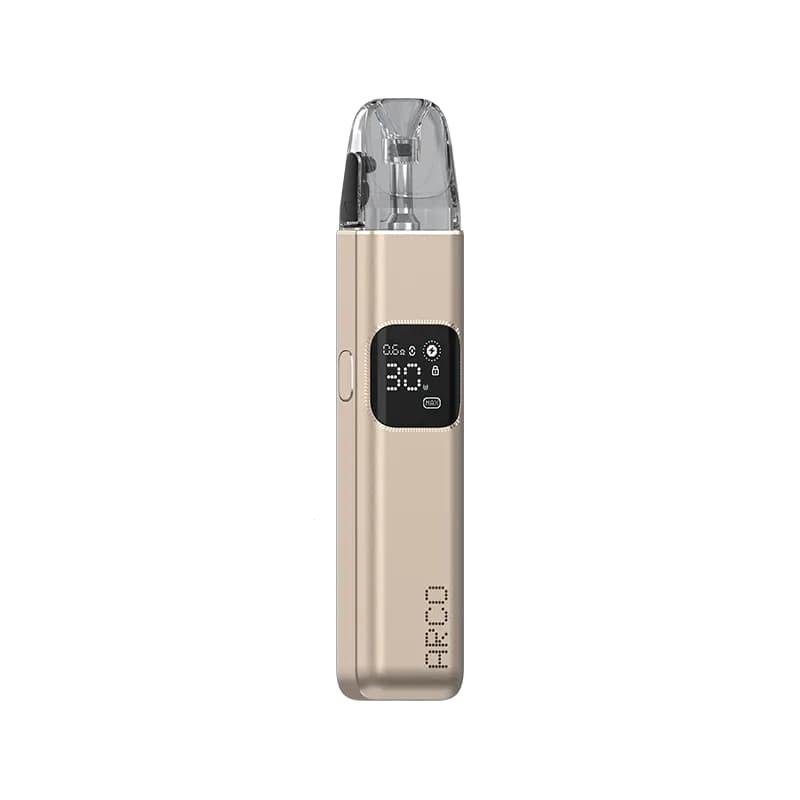
E cigarettes, also known as vapes or electronic nicotine delivery systems (ENDS), are battery-powered devices that heat a liquid (e-liquid or vape juice) to create an aerosol. Most e-liquids contain nicotine, propylene glycol, vegetable glycerin, and flavorings. When inhaled, users absorb nicotine and other substances directly into their lungs.
Primary E Cigarette Lung Effects: What Studies Reveal
- Short-term Respiratory Irritation: Many vapers report throat and lung irritation after use. Studies indicate that inhaling propylene glycol and vegetable glycerin can cause cough and wheezing, especially among first-time users or those with pre-existing conditions.
- Inflammation: Inhalation of e cigarette aerosols may lead to inflammation in the lungs. Research has shown increased markers of inflammation in the airways of current vapers compared to non-users.
- Altered Immune Response: The chemicals in vape cartridges can reduce the lungs’ ability to resist pathogens. This compromised immune function could make vapers more susceptible to illnesses like pneumonia or bronchitis.
Comparing Traditional Smoking and E Cigarettes: Is Vaping Truly Safer?
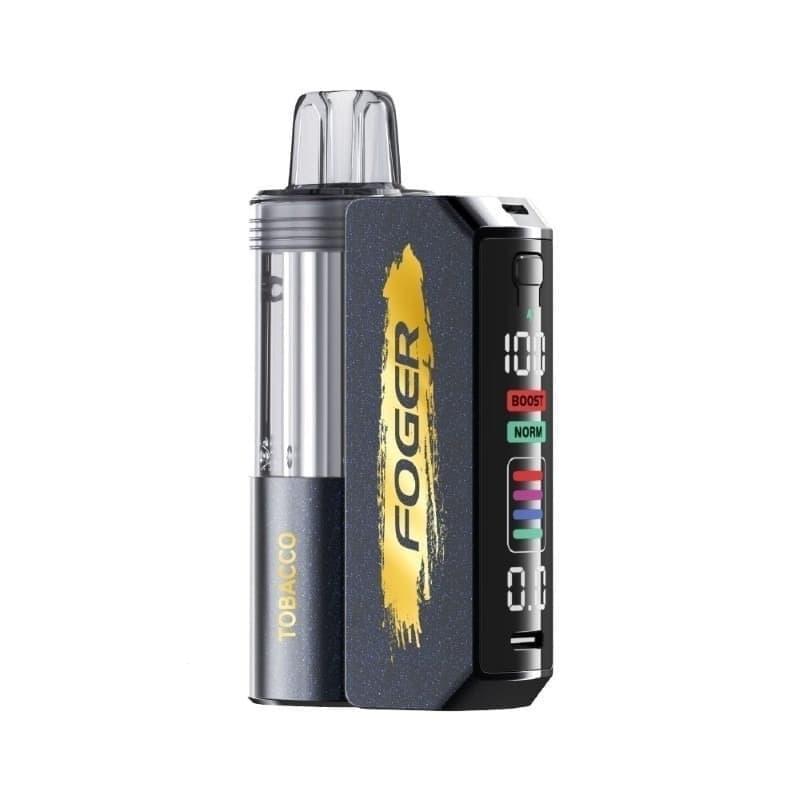
It’s a common belief that e cigarettes are less harmful than conventional cigarettes. While it’s true that vaping does not produce tar or many of the harmful combustion byproducts found in cigarette smoke, research into e cigarette lung effects remains ongoing. Vaping can still introduce users to volatile organic compounds, heavy metals (from the device coil), and ultrafine particles, all of which can impact lung health over time.
Recent Health Incidents: EVALI and Beyond
In 2019, a surge in lung injuries linked to vaping prompted investigations by the Centers for Disease Control and Prevention (CDC). This outbreak, known as EVALI (e-cigarette, or vaping, product use-associated lung injury), was mainly associated with illicit THC-containing vape cartridges containing vitamin E acetate. Symptoms of EVALI included chest pain, cough, shortness of breath, fever, and in severe cases, acute respiratory failure. While most cases were linked to black market products, the episode underscored potential dangers of unregulated vaping and the need for consumer vigilance.
What About Secondhand Vapor?
A key question regarding e cigarette lung effects is the risk of secondhand exposure. Vapor from e cigarettes is not just harmless water vapor; it contains nicotine, ultrafine particles, and detectable levels of toxins. While risks are lower than with secondhand cigarette smoke, the long-term impact on exposed individuals, particularly children, remains uncertain.
Misconceptions and Myths About Vaping
- E Cigarettes Are Harmless: While less dangerous than traditional cigarettes, vapes are not risk-free. The lungs are designed to breathe clean air; introducing flavoring chemicals, nicotine, and solvents carries health risks.
- Only Smokers Should Worry: Young people and non-smokers are increasingly taking up vaping. E cigarette lung effects may be more pronounced in individuals with no prior nicotine exposure.
- All Vaping Products Are the Same: Vaping devices and e-liquids vary widely in composition and quality. Unregulated or improperly manufactured products may carry elevated risks, including contamination by harmful substances.
How to Minimize Potential Lung Damage
- Purchase e cigarettes and e-liquids from reputable sources, avoiding illicit or homemade products.
- Stay informed about vaping-related health advisories from reputable organizations.
- If you are a smoker trying to quit, consider consulting health professionals to explore various cessation strategies, including but not limited to vaping.
- If you experience persistent cough, chest discomfort, or breathing issues after vaping, seek medical advice promptly.
Long-Term E Cigarette Lung Effects: What Does the Future Hold?
Because vaping is a relatively new phenomenon, comprehensive long-term studies are limited. However, early indications signal possible chronic lung diseases such as bronchiolitis obliterans (“popcorn lung”), chronic bronchitis, or impaired lung growth in adolescent users. It is important to track new research as it emerges, as well as regulatory guidance from public health agencies.
Are Flavored E Cigarettes More Harmful?
Flavored e-liquids attract many users, but some flavoring chemicals (such as diacetyl, acetoin, and cinnamaldehyde) have been linked to harmful e cigarette lung effects. Studies on laboratory cells and animal models reveal that certain flavorings can damage lung tissue or hinder repair processes, suggesting that not all e-liquids carry equal risk profiles.
Current Guidelines and Recommendations
If you are considering vaping, weigh the potential risks versus benefits. Smokers who have not been able to quit using other methods might reduce their exposure to harmful toxins by switching from cigarettes to e cigarettes, but for non-smokers or youth, avoiding nicotine products altogether is recommended. Public health organizations urge regular users to be vigilant for respiratory symptoms, avoid modifying products, and stay informed about the evolving science of e cigarette lung effects.
Frequently Asked Questions (FAQ)
A1: In most cases, mild irritation may resolve after vaping cessation, but severe cases like EVALI can cause lasting harm. The long-term effects are still under study.
A2: Even without nicotine, inhaling chemical aerosols and flavorings may irritate and damage lung tissue.

A3: Vaping eliminates combustion-related toxins but introduces other chemicals; while likely safer than smoking, it’s not risk-free and still impacts lung health.
Be proactive with your lung health by staying up to date on the latest research, choosing products wisely, and consulting healthcare professionals when needed.