Industry snapshot: navigating changing demand for vaping products
In an era of rapid shifts in consumer behavior and regulatory landscapes, businesses that sell vape products must pay attention to evolving metrics, year-to-year performance, and targeted retail strategies. This article presents a comprehensive, SEO-focused exploration centered on two high-value search targets: IBvape and e cigarette sales by year. The aim is to provide market participants, analysts, and retailers with actionable insights, historical context, and a tactical playbook for the short and medium term. We avoid repeating the full original headline verbatim while covering the same ground: market movement, analytic approaches, yearly sales patterns, forecasts, and in-store and online retail tactics.
Why tracking IBvape and annual sales trends matters
Companies and store owners who specialise in vaping need to track brand- and category-level performance. Search interest around IBvape often signals shifts in brand visibility, product introductions, and channel adoption. Complementing this, monitoring e cigarette sales by year reveals seasonal cycles, policy impacts, and long-term demand trends. Together these keywords act as twin lenses — one brand-specific, one category-wide — that surface both micro and macro indicators for decisions about inventory, pricing, and marketing.
Historical performance: a methodical approach to year-by-year analysis
To develop a robust view of e cigarette sales by year, start with consistent KPIs: unit volume, revenue, ASP (average selling price), SKU-level sell-through, and channel mix (online vs. bricks-and-mortar). For brand-focused tracking around IBvape, include brand awareness metrics, new SKU adoption velocity, promotional uplift, and customer retention rates. Apply cohort analysis and year-over-year comparisons to isolate cyclical effects vs. structural change. Use smoothing techniques like 3- or 4-period moving averages to filter out noise, and complement your retail POS data with web analytics and social listening for leading indicators.
Year-by-year patterns and what they typically reveal
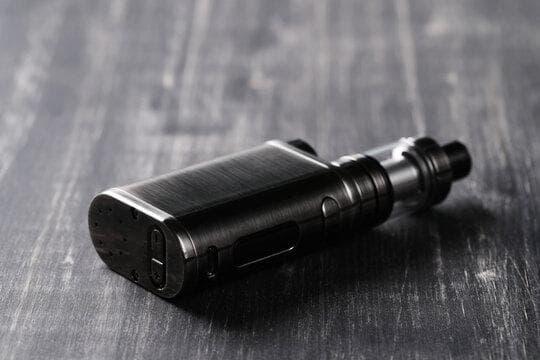
 IBvape market update IBvape trends and e cigarette sales by year analysis forecasts and retailer strategies” />
Analyzing e cigarette sales by year often uncovers recurring patterns: product innovation years bring inventory refreshes and promotional bursts; regulation-heavy years see demand compression followed by stabilization; and maturity years show slower growth but steady revenue. For IBvape, a typical path may include an early-adopter phase with rapid growth, a competitive shakeout with concentrated market share, and eventual positioning as either a premium differentiator or a value-driven leader. Mapping these phases across years helps retailers decide when to push new products vs. focusing on retention.
Data sources and audit checklist
- Point-of-sale and e-commerce order logs for historical units and dollars.
- Trade reports and industry surveys for macro consumption trends.
- Search trend data and social platforms to gauge brand interest in IBvape.
- Public health and regulatory bulletins that influence e cigarette sales by year.
- Competitive pricing and promotion archives to build elasticity models.
By triangulating these sources, you’ll generate a layered view that supports credible forecasts and defensible retail strategies.
Quantitative modelling: forecasting e cigarette sales by year
Forecasts should blend quantitative models with scenario planning. Time-series techniques such as ARIMA, exponential smoothing, and seasonal decomposition help predict near-term e cigarette sales by year under normal conditions. For irregular events — regulatory changes, major brand entries like IBvape launching a new line, or pandemic-driven shifts — build scenario drivers with flexible assumptions. Model the impact of variables including price elasticity, promotion frequency, channel shift percentages, and changes in compliance costs. Provide three scenarios (conservative, base, aggressive) to give retailers a range of plausible outcomes, and update these models quarterly to incorporate fresh data.
Supply chain and inventory tactics tied to sales cycles
Inventory strategies should be synchronized with anticipated peaks and troughs visible in past e cigarette sales by year. For example, when forecasts predict a promotional season or new product launch that can lift demand for IBvape products by a noticeable percentage, increase lead-time buffers and secure favorable MOQ terms. Conversely, in years where regulatory tightening is projected to compress demand, shift toward SKUs with higher margin resilience and minimize low-turn items. Adopt just-in-time replenishment for fast-moving flavors and coils while using safety stock for category staples.
Retailer marketing strategies that move the meter
To convert interest into purchases, the playbook should mix educational content, targeted promotions, and product trials. Build online funnels that capture searches for IBvape and related terms; create landing pages that highlight year-over-year value propositions and product comparisons that answer common shopper questions. In-store, prioritize demo stations, sampling (where legally allowed), and staff training so sales associates can convey differences in throat hit, battery life, and nicotine delivery. Use limited-time bundles and subscription options to stabilize recurring revenue and reduce churn.
SEO-specific tactics for vape retailers and brands
Optimizing for keywords like IBvape and e cigarette sales by year requires balanced, useful content rather than keyword stuffing. Create authoritative pages that address query intent: “brand spec sheets,” “annual sales summaries,” “comparisons,” and “retailer buying guides.” Use structured headings (
,
,
) and bullet lists to improve readability and crawlability. Leverage internal linking from category pages to topical content, and ensure meta titles and descriptions reflect the substance on the page. Monitor keyword performance and user engagement metrics, and refresh content periodically to reflect updated sales data and regulatory changes.
Channel strategies: what works online vs. physical stores
) and bullet lists to improve readability and crawlability. Leverage internal linking from category pages to topical content, and ensure meta titles and descriptions reflect the substance on the page. Monitor keyword performance and user engagement metrics, and refresh content periodically to reflect updated sales data and regulatory changes.
Channel strategies: what works online vs. physical stores
Online channels excel at discovery and subscription; physical stores excel at product experience and impulse purchases. For IBvape lines, use e-commerce to showcase full catalogs and drive subscriptions for disposables or pods. Provide robust product filters for flavor, nicotine strength, and device type to reduce bounce. In physical retail, prioritize shelf placement, visual merchandising, and staff expertise so shoppers can sample and buy in the same visit. Use omnichannel signals to allocate inventory dynamically — push online-only exclusives during slow store weeks, and run cross-channel promos during peak weeks identified in e cigarette sales by year trends.
Pricing and promotional playbook
Dynamic pricing aligned to yearly demand cycles helps maximize revenue. In years where e cigarette sales by year data indicates robust growth, maintain higher ASPs but run bundle discounts to increase LTV. When forecasts suggest softness, accelerate targeted promotions for lagging SKUs and protect margin by limiting sitewide discounting. Use coupons, loyalty points, and first-purchase offers to reduce friction for new customers researching IBvape and related brands. Track promo-driven cannibalization and re-allocate ad spend toward net-new customer acquisition during recovery phases.
Product mix optimization and SKU rationalization
Regularly review SKU performance against year-over-year sales metrics. For IBvape, identify which flavors, devices, and nicotine strengths consistently grow, and which are promotional drains. Employ ABC analysis to classify SKUs by revenue contribution and turnover. Rationalize low-performing items to reduce complexity and focus marketing and stocking on top performers, which is especially important in constrained inventory years indicated by e cigarette sales by year downturns.
Compliance, policy risk, and mitigation
Regulatory shifts are perhaps the single largest driver of volatility in e cigarette sales by year. Stay current on labeling, ingredient disclosure, nicotine cap proposals, packaging restrictions, and flavor policies. For retailers carrying IBvape, maintain clear audit trails for product sourcing and age-verification systems. Scenario-plan for abrupt policy changes: pause large buys, activate alternative product lines, and communicate proactively with customers to retain trust. Invest in legal review and trade association memberships to anticipate and influence regulatory debates.
Customer segmentation and lifecycle marketing
Segment customers by acquisition channel, purchase frequency, product type, and lifetime value. For each segment, design playbooks supportive of long-term retention: onboarding sequences for first-time IBvape buyers, loyalty incentives for monthly purchasers, and reactivation campaigns for lapsed customers detected in annual sales dips. Use A/B testing to discover which incentives best convert various demographics and adapt offers seasonally based on e cigarette sales by year patterns.

Analytics dashboard essentials
Your executive dashboard should include rolling 12-month sales, monthly growth rates, SKU sell-through, margin by product, channel blend, customer acquisition cost, and return rates. Overlay regulatory and promotional calendars to interpret anomalies. Real-time indicators like search volume for IBvape or spikes in cart addition rates can act as early warning signals to adjust buys and marketing.
Case study sketches: practical examples
- Small multi-store chain: used historical e cigarette sales by year seasonality to shift marketing dollars into Q2 product launches, reducing clearance levels by 18% year-over-year.
- Online-only retailer: optimized PDPs for IBvape SKUs and implemented subscriptions, increasing average order value and reducing churn by 12%.
- Regional distributor: created a playbook to quickly pivot inventory away from constrained SKUs during a regulatory announcement week, preserving cashflow and maintaining service levels.
These examples highlight the practical value of combining brand-level focus with category-wide year-by-year analysis.
Practical checklist for retailers and brand managers
- Maintain a quarterly forecast driven by historical e cigarette sales by year and up-to-date traffic signals.
- Keep a lean but flexible inventory policy supporting rapid shifts in demand for IBvape.
- Invest in SEO and content that answers common questions and showcases data-driven insights.
- Test promotional formats and measure cannibalization and net-new lift.
- Monitor regulatory pipelines and build contingency spend to react in weeks, not months.
Emerging themes to watch
Several structural themes will likely shape future e cigarette sales by year dynamics: consolidation among device manufacturers, flavor innovation cycles, tightening public health scrutiny, and digital discovery channels replacing some in-store traffic. For IBvape and similar brands, the winners will be those that combine product reliability, compliant operations, and intelligent channel strategies.
Final recommendations
Prioritize continuous measurement and quick iteration. Use the insights from yearly sales patterns to inform SKU strategies, align promotions to demand, and design resilient supply chains. Blend short-term tactical responses with long-term brand investments in trust and product quality. By integrating focused brand monitoring — such as attention to IBvape search and performance — with rigorous evaluation of e cigarette sales by year, retailers can make smarter stocking, pricing, and marketing decisions that protect margins and nurture growth.
If you want to operationalize these ideas, start with a 90-day plan: audit historic sales, map out regulatory calendar risks, run two A/B tests for acquisition landing pages, and create a six-month inventory cushion for top-performing SKUs.
Sources and methods: combine internal POS and e-commerce data with third-party market reports, search trend analytics, and regulatory publications to build a defensible narrative about year-over-year trends.
Note: This content is built to support SEO around the phrases IBvape and e cigarette sales by year, balancing keyword presence with high-value, readable guidance for industry practitioners.
FAQ
- How should a small retailer forecast demand for vape products?
- Start with your last 12 months of POS data, apply a seasonal index derived from historical patterns, and overlay any known upcoming regulatory or promotional events. Adjust for expanding online demand if your web traffic shows rising interest in terms like IBvape or category searches.
- What are the leading indicators of a drop in annual e-cigarette sales?
- Leading indicators include declines in search volume for intent keywords, increased regulatory announcements, reduced promotional activity by major brands, and inventory order pullbacks. Track web analytics and trade news to catch these early.
- How can I reduce inventory risk when forecasts are uncertain?
- Use shorter replenishment cycles, prioritize SKUs with higher margin resilience, negotiate flexible vendor terms, and deploy targeted promotions to accelerate slow-moving items rather than broad discounts.