Understanding the Efficiency of cigarrillo electrónico and the Impact of Cigarette Smoke on Quantum Tunneling in Electronics
The use of cigarrillo electrónico, commonly referred to as electronic cigarettes or e-cigarettes, has surged worldwide as consumers seek alternatives to traditional smoking. Behind this trend, questions about their efficiency, health implications, and the potential environmental impacts, such as how cigarette smoke might affect sensitive electronic devices through phenomena like quantum tunneling, have generated significant academic and public interest.
Defining Cigarrillo electrónico: Composition, Function, and Types
cigarrillo electrónico devices operate by heating a liquid solution (usually containing nicotine, flavorings, and other chemicals) to produce an aerosol, which users inhale. Unlike classic cigarettes, which combust tobacco leaves to create smoke, e-cigarettes use battery-powered atomizers to vaporize the e-liquid. The efficiency of these devices can be measured by factors such as nicotine delivery, battery life, vapor production, and design innovation.
Key Factors Influencing Efficiency
- Battery technology and power management
- Atomizer resistance and heating element quality
- Design of air flow systems and ergonomic usability
- E-liquid composition affecting vaporization rate
- User experience feedback and iterative product development
Each factor contributes distinctly to the overall user satisfaction and operational efficiency of cigarrillo electrónico. Modern designs continually evolve to offer adjustable power settings, improved atomizers, leak-proof constructions, and customizable flavor options.
Health and Environmental Considerations of cigarrillo electrónico
cigarrillo electrónico devices are often marketed as safer alternatives to traditional smoking, mainly due to the absence of combustion. However, recent research highlights that while these devices generate fewer carcinogens than tobacco smoke, the aerosol still contains substances linked to health risks. Chronic exposure may have unknown long-term outcomes, and the disposal of e-cigarette batteries and cartridges introduces new environmental factors.
A critical component of the impact narrative relates not only to health but also to how pollutants and particles from smoking can interact with electronic components. This segues into the intriguing topic: can cigarette smoke cause quantum tunneling in electronic devices?
Can Cigarette Smoke Cause Quantum Tunneling in Electronic Devices?
Quantum tunneling is a phenomenon in which electrons pass through potential barriers that would usually block them, rooted in the principles of quantum mechanics. In microchips and other sensitive microelectronic hardware, quantum tunneling is typically relevant at the nanometer scale or in ultra-thin insulating materials. The emergence of quantum tunneling can be problematic — leading to unpredictable electrical behavior, loss of functionality, or degradation of devices.
Interaction between Smoke Particles and Electronic Circuitry
When cigarette smoke, composed of countless microscopic particles — tar, nicotine, and other chemicals — enters a device, it can settle onto circuit boards, microchips, and connectors. Over time, residue buildup increases electrical conductivity on device surfaces and reduces insulation efficacy, particularly in high-density integrated circuits. Some studies suggest that conductive particles from smoke can bridge gaps on circuit boards, possibly enhancing the risk of stray currents, short circuits, or even facilitating quantum tunneling in thin-filament structures where otherwise there would be only insulating gaps.
- Residue-mediated conduction: Deposited particles create alternate current pathways,
potentially lowering the voltage barrier for tunneling. - Partial breakdown of insulators: Chemicals from smoke may erode insulating layers, shrinking barriers for electrons.
- Localized heating: Some smoke particles can alter thermal profiles,
causing hot spots and further diminishing quantum tunneling resistance.
Are Everyday Devices at Risk?
While quantum tunneling is fundamentally a nanoscale event, modern electronics constantly push the boundaries of miniaturization. This means that even small amounts of foreign contaminants from smoking environments — including cigarette smoke — could contribute to device instability, premature wear, and loss of functionality. Scientists and engineers thus recommend regular cleaning and the avoidance of smoke exposure in laboratories and rooms housing sophisticated electronics.
Comparative Analysis: Cigarrillo electrónico versus Traditional Cigarettes in Electronic Risk
While both cigarrillo electrónico and traditional cigarettes produce aerosols, their chemical composition differs significantly. E-cigarettes tend to produce vapor with fewer particulates, which lowers, though does not eliminate, the chances of residue accumulating on sensitive electronics. The risk of quantum tunneling induced by e-cigarette vapor is therefore lower than that caused by regular cigarette smoke — but is not entirely absent, especially with long-term exposure in confined spaces.
Implications for Users and Manufacturers: Best Practices
- Maintain Separation
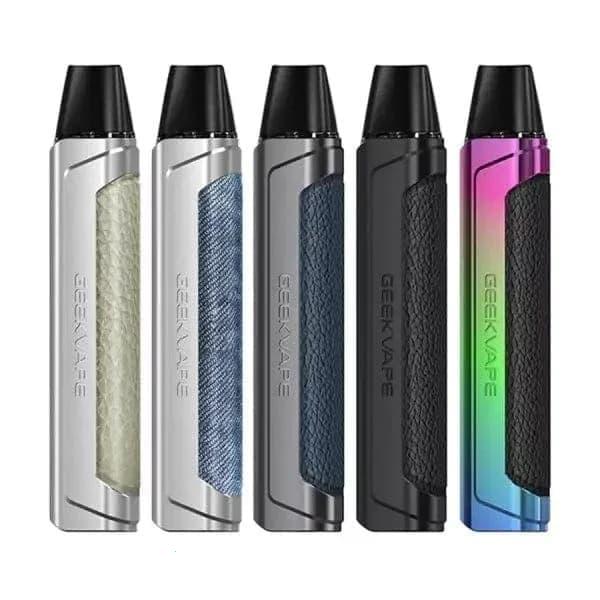 cigarrillo electrónico efficiency and can cigarette smoke cause quantum tunneling in electronic devices” />: Keep electronic devices, especially those containing microchips or tightly packed circuits, away from smoke sources, whether from cigarettes or e-cigarettes.
 - Routine Maintenance: Regularly clean device surfaces with appropriate solvents and compressed air to minimize residue buildup.
- Product Design: Manufacturers should engineer electronics with protective coatings and enclosures to reduce the risk of smoke infiltration and quantum tunneling.
- Awareness and Education: Users should be informed about the latent risks posed by both cigarrillo electrónico
 and traditional cigarette smoke around electronic devices.
Recent Advances in Mitigating Contamination Risks
In response to these challenges, new materials and nanocoatings are being developed to enhance the resilience of electronic components. These technologies not only shield circuits from airborne particles but also increase voltage barriers, minimizing vulnerability to quantum tunneling events spurred by smoke-induced residue.
Future Directions and Ongoing Research
The intersection of consumer habits — such as use of cigarrillo electrónico — and advances in electronics will continue to be a major area of study. As quantum tunneling becomes an ever more relevant issue in nanoelectronics, and as vaping environments expand, the relationship between aerosol pollutants and device durability will drive both innovation and regulatory policies.
Conclusion: Balancing Tech Use and Healthy Environments
The need for careful consideration in the use of cigarrillo electrónico and the risks posed by traditional cigarette smoke highlights the importance of maintaining clean environments around electronics. Quantum tunneling is a subtle yet critical threat in modern devices, made more likely by certain chemical exposures. As consumers and businesses grow more reliant on miniaturized tech, adopting best practices for both health and device longevity ensures a safer, more efficient future.
FAQ
- Does cigarrillo electrónico vapor damage electronic devices?
- Generally, e-cigarette vapor contains fewer particulates than cigarette smoke, which means less risk of residue buildup. However, in confined or poorly ventilated areas, extended exposure can still affect sensitive electronics over time.
- How can I protect my electronics from smoke-induced damage?
- Keep devices in smoke-free environments, clean routinely, and consider using sealed cases to prevent infiltration.
- Is quantum tunneling a common cause of device failure?
- Quantum tunneling is typically an issue in highly miniaturized circuits, but contaminants like cigarette smoke can make devices more susceptible by reducing insulation efficacy.
- Are there special products to reduce smoke residue risks?
- Yes, specialized nanocoatings and protective enclosure designs are increasingly available to shield electronics from airborne pollutants.
