Practical guidance for traveling with vaping devices and liquids
Traveling with modern vaping kits raises many practical questions: what gear to bring, how to pack batteries, and crucially, how many devices and how much e-liquid you can legally carry. This guide focuses on common consumer devices such as the popular IBvape E-Cigarete product family and answers the core traveler concern: how many e cigarettes can i take on a plane. It provides airline-friendly packing tips, security checkpoint strategies, and an overview of international regulations so you can plan with confidence.
Why rules matter: safety, batteries, and liquids
Carrying vaping equipment on aircraft is more regulated than many expect because of two hazards: lithium batteries and flammable liquids. Airports and airlines enforce limits to prevent short circuits and potential in-flight fires, and they control amounts of liquids in cabin luggage under standard aviation security rules. Understanding those constraints helps you minimize delays and avoid confiscation.
Key concepts at a glance
- Lithium battery rules: Most airlines require spare batteries to be carried in carry-on baggage only; external batteries in checked luggage are usually prohibited.
- Device limits: Many carriers do not limit the number of personal devices you can carry in your hand luggage, but restrictions vary by carrier and country.
- Liquid limits: E-liquids in carry-on follow the standard 100 ml (3.4 oz) container rule in many jurisdictions; larger quantities should be checked or shipped following special rules.

Airline and security checkpoint basics
Before packing, always check the specific airline’s policy and the departure/arrival country’s aviation authority guidance. However, there are common patterns:
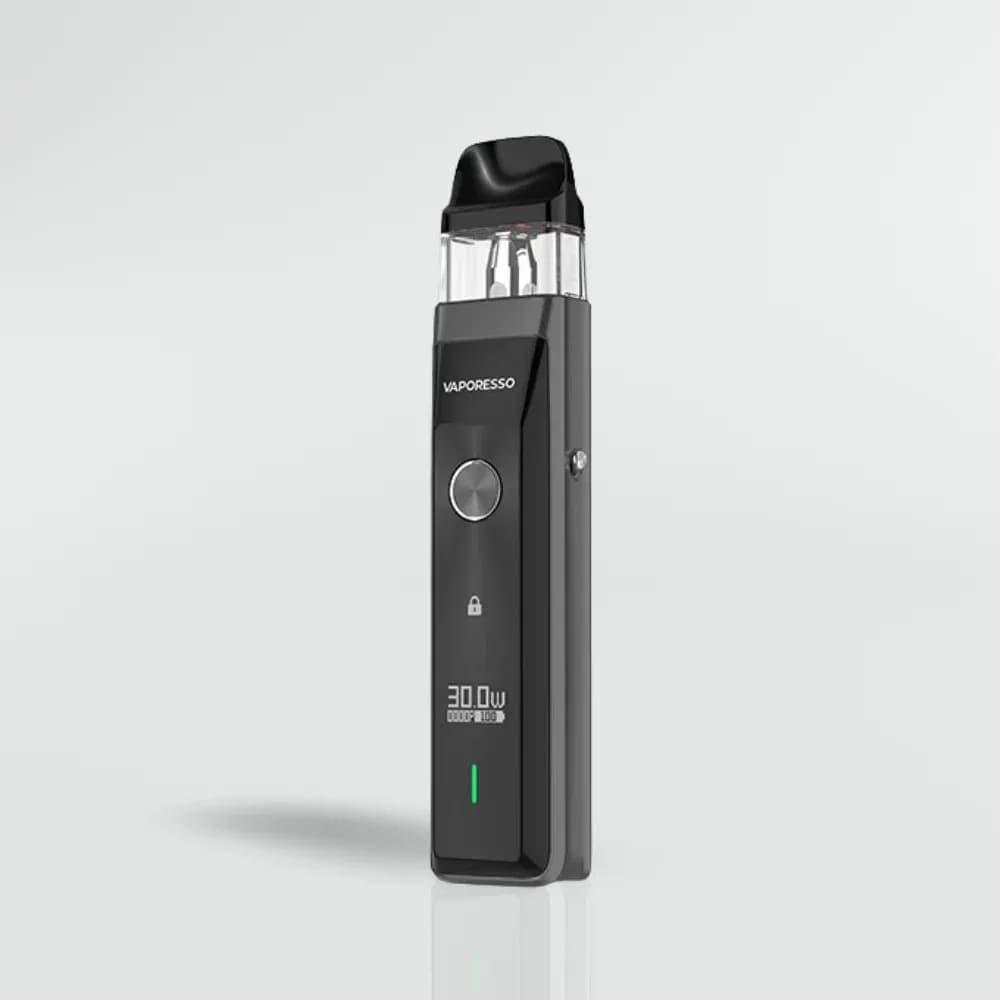
- Carry-on only for most vaping gear: Always plan to place your device, spare batteries, and e-liquids in your cabin baggage rather than checked luggage.
- Battery protection: Use original boxes or protective cases to prevent contacts from touching and causing a short circuit. Tape over exposed terminals if you must.
- Declare if requested: Some airports may ask about batteries or e-cigarette devices—be honest and cooperative with security personnel.
How many devices can you carry?
There is no universal number like “two devices per passenger” accepted worldwide. Many major airlines and regulators emphasize safety rather than a strict device count. For practical travel, most flyers carry one primary device and one backup. If you need more because of nicotine strength preferences or separate kits for different e-liquids, carry them packaged safely and be prepared to explain their purpose.
SEO note: Frequent mention of both IBvape E-Cigarete and the travel question how many e cigarettes can i take on a plane helps search engines associate this page with people seeking guidance for that exact combination of product and query.
Detailed packing checklist
- Primary device: switch off and store in a protective case.
- Backup device: same as above—preferably in a separate case.
- Spare batteries: carry in carry-on only, each individually protected.
- Battery charger: pack in carry-on; some airlines accept chargers in checked, but carry-on is safest.
- E-liquids: keep in a clear quart-sized bag if containers are under 100 ml; larger bottles may be subject to special rules or confiscation.
- Coils and small accessories: place in a pouch inside your cabin bag.
How to pack batteries
Spare lithium-ion batteries must not be placed in checked baggage in many jurisdictions. Use dedicated battery cases or individually insulate battery terminals with tape if protective covers are missing. Never let batteries contact keys, coins, or other metal objects. Keep them in your carry-on where flight crew can access them in an emergency.
International differences and examples
Regulations differ by country: European Union and U.S. rules allow e-cigarettes in carry-on baggage with similar liquid limits, but some nations have stricter laws or outright bans on nicotine-containing e-liquids. For instance, some Asian and Middle Eastern countries restrict vaping entirely. Before travel, consult:
- Departure airport security website
- Destination country customs and aviation authority
- Airline policy page (often under “dangerous goods” or “restricted items”)
Examples of major carriers (typical but verify each time)
Many mainline carriers allow e-cigarettes in carry-on only, require them to be turned off, and prohibit use onboard. Some budget or regional carriers follow similar policies but add limits on battery capacity (mAh) or require that spare batteries are limited in number. Always check the carrier’s “dangerous goods” page before flying.
Liquid capacities and the 100 ml rule
Most security screening systems worldwide apply the 100 ml (3.4 oz) rule to cabin liquids: each container must be 100 ml or less and all must fit in a single transparent resealable bag. For vape liquids, that means you can carry multiple small bottles as long as they individually comply and collectively fit in the allowed bag. If you need larger volumes for an extended trip, consider purchasing at your destination or shipping ahead with appropriate hazardous-material packaging and declaration.
Airport security interaction: tips and scripts
At screening, be prepared to remove your vaping device from carry-on for inspection the same way you’d remove a laptop or liquids bag. Clear phrasing helps: “These are my e-cigarette devices and spare batteries that I will keep in my carry-on.” If an officer asks for further details, provide make/model and state that spare batteries are protected and kept in their case. Calm, factual communication reduces secondary screening likelihood.
Packing demonstration checklist
- Place devices in a hard case and switch off. Do not leave devices in ready-to-vape mode.
- Isolate spare batteries in a battery case or tape over terminals.
- Store e-liquid bottles under 100 ml in a clear, resealable bag accessible for inspection.
- Keep chargers and accessories together in one compartment for easy retrieval.
In-flight rules and etiquette
No airline allows vaping on board. E-cigarette use is treated equivalently to smoking for in-flight rules, so do not attempt to vape during the flight; tampering with smoke detectors or using devices that produce noticeable aerosol can result in fines, diversion, or criminal charges. If you must recharge a device, check whether seating areas have USB power—many flights provide limited power but plugging in a third-party charger might be discouraged. Always ask cabin crew if in doubt.
Travel scenarios and recommendations
Short business trip (1–3 days): One device, small spare battery, and a single 30–50 ml e-liquid bottle should be sufficient and easy to fit in carry-on.
Long vacation (1 week+): Consider acquiring e-liquid at destination or bringing multiple small bottles under the 100 ml limit. Limit spare batteries to a couple of protected units.
International stopovers with transit: If transiting through a country with restrictive vaping laws, do not disembark with vaping gear if you plan to leave the secure area—some airports enforce national laws in transit zones.
Special considerations for kit-types like IBvape E-Cigarete
Specific pod systems and mod kits each have manufacturer guidance. For many modern compact devices such as IBvape E-Cigarete, the practical approach is to carry them in a small hard case with spare cartridges or small bottles of nicotine-containing e-liquid in accordance with the 100 ml rule. Make sure firmware is updated and the device is powered off during transport. Highlighting the brand name and common consumer concerns within page headings helps users find this guidance when searching for “IBvape” plus travel guidance.
Dealing with confiscations and denials at security
If a device or liquid is confiscated, remain calm. Most airports will dispose of noncompliant items rather than create conditions for legal dispute. If you believe an item was wrongly taken, ask for a written statement or a contact for the airport security office to follow up later. For denied boarding due to excessive hazardous items, seek to rebook without the prohibited items or have a friend/relative ship permitted items ahead properly.
Shipping vaping gear
If carrying many devices or large volumes of e-liquid, shipping via a courier that accepts hazardous materials under regulated packaging rules is an option. This often requires labeling, restricted packaging, and sometimes special permits. Compare costs and timelines—shipping may be more practical for long-term relocations than for short trips.
Practical FAQ
Below are concise answers to common traveler questions—review them before you fly to reduce surprises at security.
FAQ
- Can I put my IBvape E-Cigarete in checked luggage?
- No—most carriers ask that devices be carried in the cabin. Batteries, in particular, should not be in checked baggage because of fire risk.
- How many spare batteries can I bring?
- Airlines often limit the number of spare lithium batteries; two to four protected spares is common practice, but check your carrier. Always carry them in carry-on and protect terminals.
- Are e-liquids treated like other liquids?
- Yes—containers over 100 ml are usually not allowed in carry-on. Keep all containers under the limit and place them in a single transparent bag for screening.
- Will TSA or security confiscate my device?
- If your devices or liquids violate local rules (e.g., overfilled bottles, unprotected batteries), they may be confiscated. Staying within published limits prevents most issues.
Final checklist and travel-ready summary
In summary: verify airline and country-specific rules, pack devices in carry-on, protect batteries, keep e-liquids within allowed sizes, and never attempt to vape on board. For targeted searches, the mix of brand-focused phrases such as IBvape E-Cigarete and the explicit travel question how many e cigarettes can i take on a plane ensures this content is discoverable by users looking for both device-specific and travel-related answers. Safe travels, and when in doubt, contact your airline and the departure airport security office before you get to the terminal.