Understanding the risks beyond the mist: responsible advice from IBVape Shop
Many people still think that vaping releases only harmless steam, but growing research and expert guidance show otherwise. This article explains why the aerosol from e-cigarettes is not just harmless water vapor. We unpack what is actually in the plume, what that means for adult users and teens, and practical steps every vaper and parent should take. Throughout, trusted retailers and community advocates like IBVape Shop emphasize clear, evidence-based information and safer practices.
Why the “vapor” label is misleading
Calling e-cigarette emissions “vapor” suggests nothing more than evaporated water; however, the aerosol from e-cigarettes is not just harmless water vapor. Scientists analyze aerosols and report a complex mixture: nicotine (when present), flavoring chemicals, volatile organic compounds (VOCs), aldehydes such as formaldehyde and acrolein, ultrafine particles that reach deep into lungs, and traces of metals like nickel, lead, and chromium that can come from heating coils and device components. These constituents can cause short-term irritation and may have long-term health implications.
Key components commonly detected
- Nicotine — addictive, impacts adolescent brain development and cardiovascular function.
- Flavoring agents — many are approved for ingestion but not inhalation; diacetyl and related compounds have been linked to lung injury.
- Ultrafine particles — can carry chemicals deep into the respiratory system and enter the bloodstream.
- Metals — sourced from atomizers and solder; chronic inhalation concerns exist.
- Aldehydes and VOCs — byproducts of heating liquids at high temperatures.
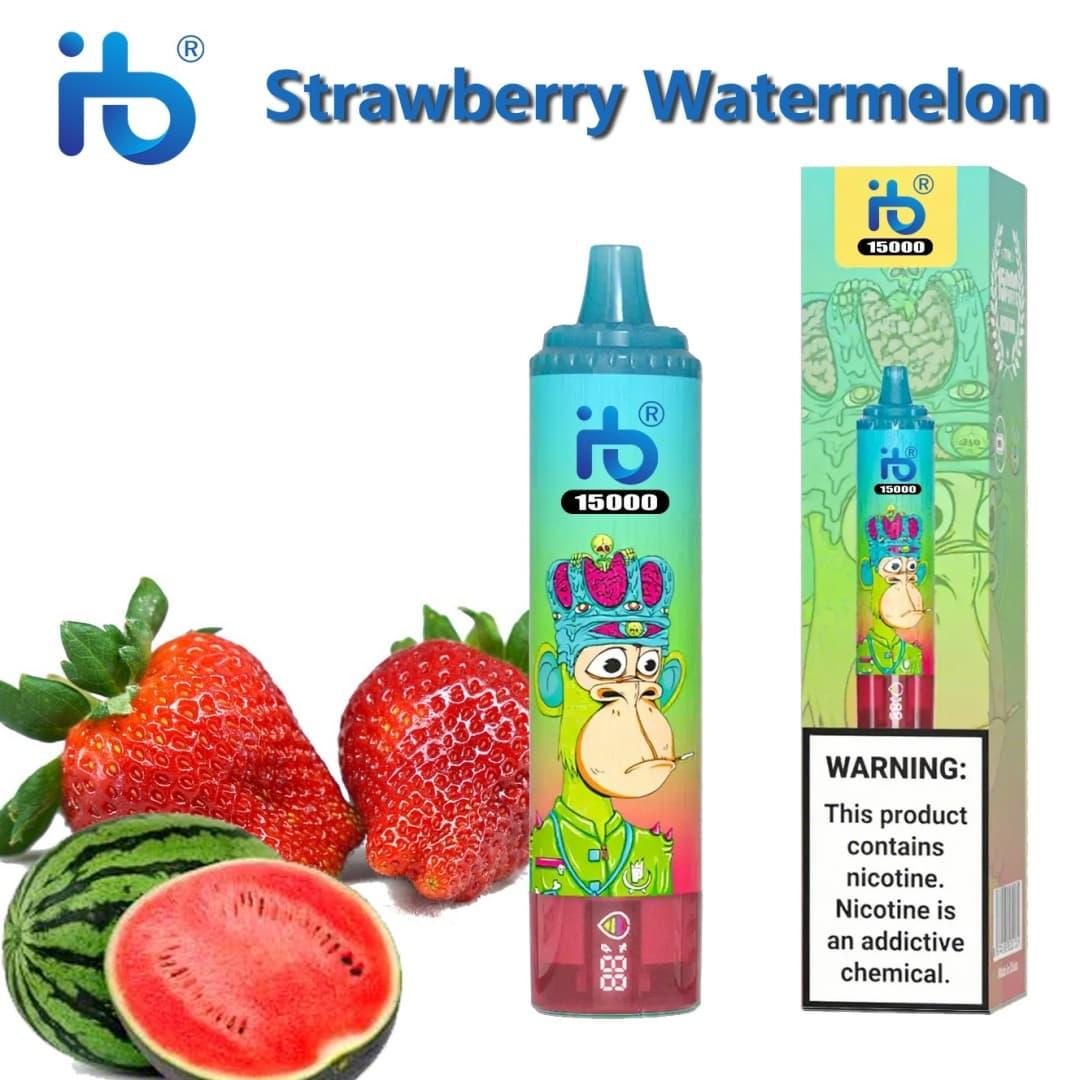
Understanding the ingredients helps explain why organizations, retailers, and clinicians caution consumers and caregivers about exposure risks.
The science behind inhalation harms
Inhalation delivers substances directly to the lungs, bypassing some protective digestive processes. Studies demonstrate that inhaled flavorings that are safe to eat are not necessarily safe to inhale. Cellular studies reveal oxidative stress and inflammatory responses after exposure to e-cigarette aerosol. Animal models show effects on lung tissue and immune function. Human observational studies and case reports have associated vaping with acute lung injuries and exacerbations of asthma. Public-health bodies emphasize caution, especially for young people, pregnant people, and those with underlying heart or lung disease.
“The aerosol from e-cigarettes is not just harmless water vapor.” — a summary point reiterated by clinicians and consumer-safety advocates.
Secondhand exposure: what parents should know
Parents often worry about secondhand exposure in homes and cars. Unlike water vapor, exhaled aerosol deposits nicotine and particles on surfaces (a phenomenon known as thirdhand exposure), where residues can persist. Children, infants, and pets are particularly vulnerable to involuntary exposure. Simple rules reduce risk: vaping outside, using ventilation, and never vaping around babies or young children. Retailers and community shops like IBVape Shop frequently distribute clear guidance to customers and encourage responsible behavior that protects family members.
Practical household steps
- Designate vape-free indoor zones and enforce them consistently.
- Store devices and e-liquids out of children’s reach; many flavored e-liquids resemble candy.
- Wash fabrics and surfaces if you suspect contamination from frequent indoor vaping.
- Use smoke detectors and keep batteries in good condition to prevent mechanical incidents.
These measures reduce exposure and set healthy norms for youth.
For vapers: minimizing risks while acknowledging limits
For adults who choose to vape or are using it to transition away from combustible cigarettes, harm reduction principles apply. That said, e-cigarettes are not risk-free. Steps to lower harm include selecting regulated products from reputable vendors, following manufacturer instructions, avoiding DIY modifications, and choosing lower-power settings that reduce thermal degradation of liquids. Trusted specialty stores such as IBVape Shop can help consumers identify tested devices, proper coil materials, and high-quality e-liquid formulations.
Device and e-liquid selection checklist
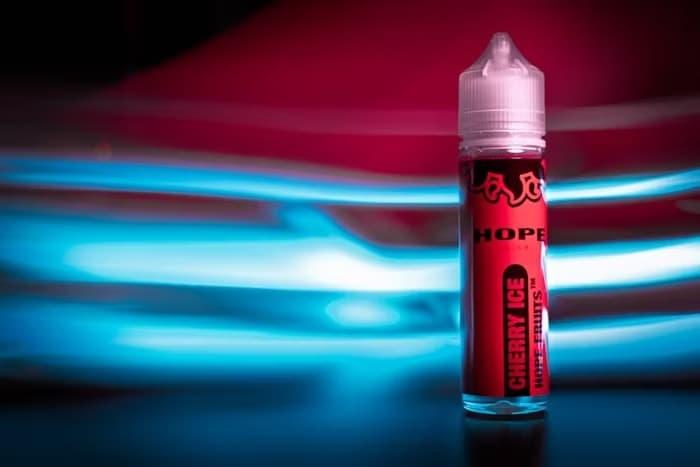
- Buy regulated, certified devices instead of improvised or modified hardware.
- Check for reputable third-party testing of e-liquids and devices.
- Avoid unknown or counterfeit cartridges and pods.
- Prefer nicotine salts or freebase nicotine according to clinical guidance and only after considering nicotine dependence risks.
- Be cautious with high-temperature coils and high-voltage mods that can increase toxin formation.
Remember: switching from smoking to vaping can reduce exposure to some combustion products, but it does not eliminate harm entirely.
Specific risks to youth and adolescents
Adolescent brains are still developing, and nicotine exposure during this period is associated with lasting changes in attention, mood, and impulse control. The appeal of sweet and fruity flavors, aggressive marketing, and social pressures have made vaping popular among young people. Prevention starts with education, parental supervision, school policies, and responsible retail practices. Shops that care about community health, including IBVape Shop, often enforce age-verification and avoid marketing strategies that target minors.
How parents can start the conversation
Begin with open, nonjudgmental dialogue about why young people are drawn to vaping and what the known and unknown health effects are. Use facts rather than hyperbole. If a teenager is already vaping, focus on cessation resources and medical support rather than punishment alone.
Addressing common myths
- Myth: Vaping is just water vapor — Fact: The aerosol contains multiple chemicals and particles that can harm respiratory and cardiovascular health.
- Myth: Flavors are harmless — Fact: Inhalation effects of flavor compounds are not fully understood and some are linked to lung disease.
- Myth: Secondhand aerosol is benign — Fact: Exhaled aerosol deposits residues and exposes bystanders to nicotine and ultrafine particles.
Regulatory landscape and product safety
Regulations vary by country and region, but there is a trend toward stricter oversight: ingredient transparency, child-resistant packaging, age verification, and marketing restrictions. Retailers who stay compliant help protect vulnerable consumers. When shopping, consumers should look for labeled nicotine strengths, batch numbers, and testing information. IBVape Shop and similar responsible sellers prioritize compliance, customer education, and product safety.
What to do in case of suspected harm
If someone experiences shortness of breath, chest pain, severe cough, or unusual symptoms after vaping, seek medical attention promptly. For poisoning or accidental ingestion of e-liquid, contact local poison control immediately. Keep device packaging and product information available for clinicians.
Practical harm reduction for community settings
Communities can adopt balanced policies that protect non-users and youth while supporting adult smokers seeking alternatives. Effective strategies include smoke-free and vape-free indoor policies, age-restriction enforcement, public education campaigns, and partnerships between health providers and responsible retailers. Businesses can post clear signage, train staff on age verification, and offer customers science-based leaflets. A trusted local shop like IBVape Shop can be a community resource for accurate information and safe products.
Tips for retailers
- Implement robust age checks using ID scanners or two-step verification.
- Provide educational materials that explain risks and safe device handling.
- Encourage customers to seek medical advice for cessation and to report device malfunctions.
- Participate in local health initiatives to educate the public about inhalation safety.
Battery and device safety: preventing accidents
Battery failures and improper charging can cause fires or thermal events. Use manufacturer-recommended chargers, avoid leaving devices charging unattended, inspect batteries for damage, and store spare batteries properly. Dispose of e-liquids and batteries according to local hazardous-waste regulations. Safety training and clear product labels reduce accidental harm.
Environmental considerations
Discarded cartridges, pods, and batteries contribute to environmental pollution. Recycling programs and take-back initiatives mitigate impact. Consumers should seek certified disposal options and avoid littering devices or e-liquid containers.
Balancing harm reduction and prevention
Public health strategies must balance two objectives: offering adult smokers safer alternatives and preventing uptake among youth. Messaging that acknowledges reduced harms compared to smoking, while also communicating that the aerosol from e-cigarettes is not just harmless water vapor. helps people make informed decisions. Harm reduction tools should be part of a broader tobacco-control framework that includes cessation support, education, and regulation.
Key takeaways for vapers and parents
- Understand composition: aerosols contain more than water — nicotine, flavorings, particles, and traces of metals can be present.
- Protect children: never vape around infants or young children and store devices securely.
- Choose reputable sources: buy tested products from compliant vendors such as IBVape Shop.
- Practice device safety: follow charging guidelines and replace coils and batteries as recommended.
- Stay informed: public health guidance evolves as new evidence emerges; prioritize reputable sources and clinician advice.
If you are a parent wondering whether a device in your home is dangerous, start by treating it like any other nicotine-containing product: store it safely, discuss risks, and seek professional help for quitting if needed.
Community resources and support
Healthcare providers, quitlines, and certified cessation programs can help those who wish to stop using nicotine. Local community centers, schools, and shops that engage responsibly can amplify accurate messaging and support services. Retailers such as IBVape Shop can direct customers to clinically grounded resources and avoid marketing to minors.
Reliable information and a measured approach help reduce harm without stigmatizing adult users seeking alternatives to combustible tobacco.

Concluding perspective
In short, treating emissions from e-devices as harmless steam is a dangerous oversimplification. A nuanced understanding that the aerosol from e-cigarettes is not just harmless water vapor. helps guide safer choices, especially for parents protecting children and for adults making informed decisions about nicotine use. Reputable retailers and community partners play a critical role in education, safety, and compliance.
If you value credible advice, seek out vendors and resources that prioritize health and safety over trends. For consumers, that means favoring verified products, clear labeling, and sellers who educate rather than obscure risks. IBVape Shop is an example of a retailer that combines product offerings with consumer education and community responsibility.
FAQ:
Q: Is the aerosol from e-cigarettes really dangerous to bystanders?
A: Secondhand aerosol can expose bystanders to nicotine and ultrafine particles; it is not simply water vapor, so minimizing exposure—especially for children and pregnant people—is important.
Q: Are flavored e-liquids safe to inhale?
A: Many flavoring chemicals are approved for food use but not for inhalation; some have been associated with lung injury. Use caution and avoid untested or illicit products.
Q: How can I reduce risk if I vape?
A: Use regulated devices, avoid high-temperature settings and DIY modifications, store e-liquids safely, and follow charging and battery guidelines. Seek cessation help if you want to quit.