Understanding the evolving landscape of handheld nicotine devices and cessation aids
The modern nicotine ecosystem is complex and dynamic, with rapid innovation in hardware, shifting public perceptions, changing regulations, and growing research about effectiveness for smoking cessation. Two topics that frequently appear in searches and health conversations are the growing popularity of the vape pen market and the debate over nicotine patch vs e cigarettes as tools for quitting combustible tobacco. This extended guide is designed to help curious consumers, clinicians, and content creators make smarter, evidence-informed choices while keeping search engine optimization (SEO) best practices in mind. The article is optimized for relevant phrases such as vape pen and nicotine patch vs e cigarettes to provide clarity for readers and search visibility for publishers.
Why trends matter: the rise and adaptation of the vape pen
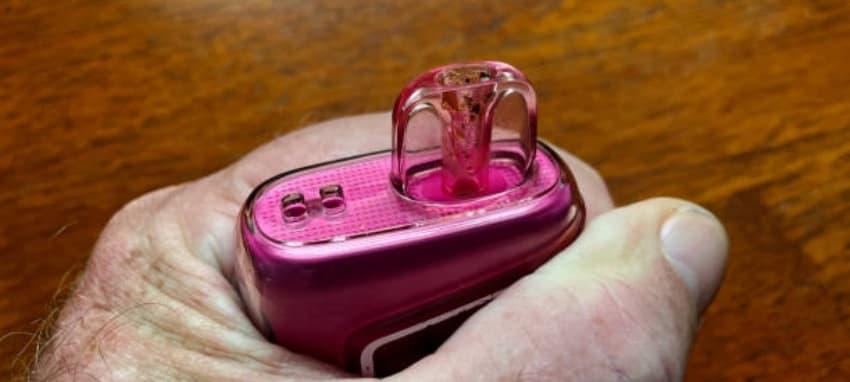
Over the past decade, handheld devices such as the vape pen have evolved from rudimentary e-cigarettes to sophisticated modular systems. Trends include smaller form factors, regulated temperature control, salt nicotine formulations, prefilled pods and cartridges, flavor diversity, and a consumer shift toward devices that balance discreetness with vapor production and throat hit. Market research repeatedly shows that many adult smokers investigate a vape pen to reduce cigarette consumption, manage nicotine cravings, or attempt cessation. SEO-aware content producers should note that search interest spikes around design innovations, legislative changes, and public health announcements—topics that naturally increase the demand for high-quality articles comparing options like nicotine patch vs e cigarettes.
Key technological shifts shaping vape pen popularity
- Nicotine salt formulations: These allow higher nicotine concentrations with smoother inhalation and have affected device preferences and refill choices for vape pen users.
- Battery and coil improvements: Longer life batteries and more efficient atomizers influence satisfaction and device longevity.
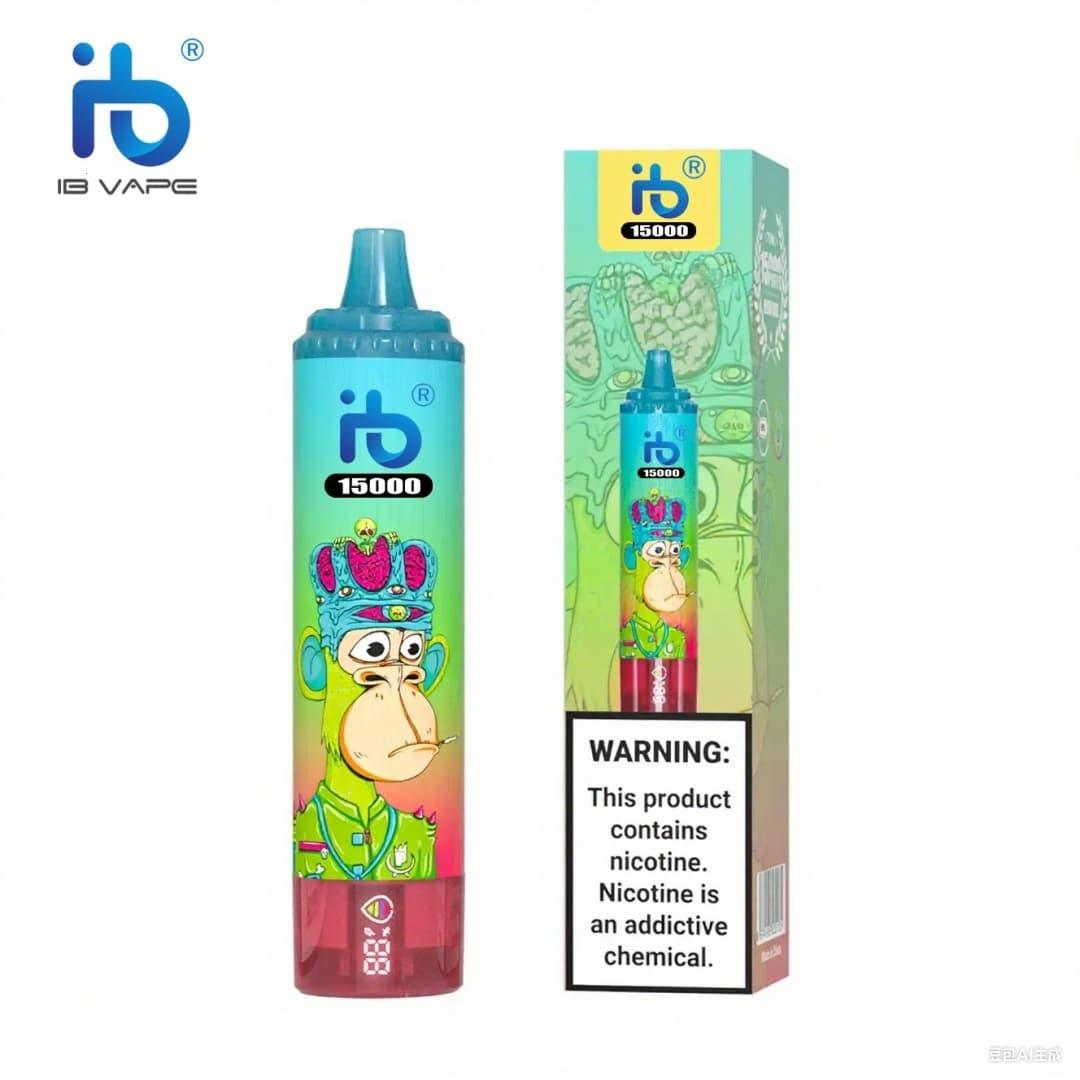
- Disposable vs reusable: The market has seen a surge in disposables for convenience and a parallel demand for reusable devices for sustainability and cost-effectiveness over time.
- Regulatory responses: Flavor restrictions, taxation, and product standards directly affect availability, price, and consumer search behavior for terms like vape pen and nicotine patch vs e cigarettes.
Health context: quitting goals, harm reduction, and evidence
For many users the central question is whether switching to a vape pen or using a pharmacological replacement like the nicotine patch vs e cigarettes is more effective or safer. Current evidence suggests that nicotine replacement therapies (NRT) such as patches, gum, and lozenges have a long track record of safety and predictable dosing. Randomized controlled trials and observational studies have also begun to evaluate e-cigarettes and vape pens as cessation tools; some studies show higher quit rates among smokers using certain e-cigarette products compared with traditional NRT when combined with behavioral support. However, long-term safety data for inhaled aerosols remains incomplete. Search-savvy readers often look for balanced comparisons, so content that juxtaposes the reliable dosing of a nicotine patch with the behavioral simulation of smoking offered by a vape pen is especially useful.
Comparative factors to consider
- Effectiveness for quitting: Clinical trials sometimes favor e-cigarettes for short-term cessation when combined with counseling, though variability across device type and user behavior is large.
- Safety profile: Patches deliver transdermal nicotine steadily and avoid inhalation-related exposures; vape pens reduce many tobacco combustion toxins but introduce aerosol constituents whose long-term effects are not fully mapped.
- Behavioral components: A vape pen mimics the hand-to-mouth rituals and sensory cues associated with smoking, which may make it easier for some people to transition away from cigarettes.
- Control of nicotine dosing: Nicotine patch vs e cigarettes is a real dichotomy here—patches offer steady dosing, while e-cigarettes allow adjustable nicotine levels and on-demand delivery.
- Accessibility and cost: Initial costs for quality vape pen hardware can be higher, but ongoing refill costs vary; patches are widely available over-the-counter and often covered by health plans.
Practical guidance for someone choosing between a vape pen and patches
Choosing between a vape pen and the nicotine patch vs e cigarettes pathway depends on individual smoking history, mental health considerations, medical comorbidities, previous quit attempts, lifestyle, and personal preferences. Practical, SEO-friendly advice includes:
- Assess dependence: Highly dependent smokers may prefer the combination of patch (for baseline control) and a short-acting product (like a vape pen or nicotine gum) for breakthrough cravings.
- Seek counseling: Both NRTs and e-cigarettes achieve better outcomes when combined with behavioral support.
- Start with clear goals: Define whether the intention is complete nicotine cessation or harm reduction; this affects device selection and tapering plans.
- Understand dosing: If choosing a vape pen, choose nicotine concentrations and device settings that reduce the chance of overuse while satisfying cravings.
- Monitor side effects: Patches can cause skin irritation; vape pens can cause throat irritation or cough in some users. Consult healthcare professionals for persistent issues.
Designing a quit plan that leverages both approaches
Many clinicians recommend a combined approach: using a transdermal patch to provide steady-state nicotine while allowing a short-acting product—whether gum, lozenge, or a controlled vape pen—to manage episodic cravings. This hybrid strategy leverages the strengths of both options—the predictable pharmacokinetics of the patch and the behavioral satisfaction of inhaled devices. For search optimization, content that outlines step-by-step hybrid plans and includes key phrases such as vape pen and nicotine patch vs e cigarettes in headers and descriptive paragraphs tends to perform well in health-related queries.
Safety and regulatory landscape
Regulation varies by jurisdiction and directly influences product quality, market access, and consumer protection. Quality-controlled nicotine patches meet pharmacopeia standards; however, e-cigarette and vape pen product quality can vary widely except where robust regulatory frameworks require manufacturing standards, ingredient disclosure, and testing. Consumers should favor reputable brands, verify lab testing where available, and be alert to counterfeit or illicit products.
Addressing myths and misconceptions
Misunderstandings abound. For SEO and reader trust, clear myth-busting sections that include plain-language references to evidence are effective. Common points include:
- Myth: A vape pen is just as harmful as smoking. Fact: While not risk-free, switching completely from combustible tobacco to e-cigarettes typically reduces exposure to many combustion-related toxicants; absolute safety is undetermined.
- Myth: Nicotine patches are ineffective. Fact: Patches are one of the most studied forms of NRT and are effective when used correctly.
- Myth:
 Nicotine patch vs e cigarettes is a zero-sum choice. Fact: For some people, combining approaches produces the best quit rates.
Consumer tips for safer device selection and use
Whether you pick a vape pen or a patch-first strategy, following product safety best practices reduces risk.
- Buy from reputable retailers; avoid unverified online marketplaces for vape pen cartridges and e-liquids.
- Read labels and choose transparent manufacturers with third-party testing.
- If using a patch, follow manufacturer instructions on application site rotation and timing.
- Track nicotine intake and taper gradually according to a plan set with a clinician or counselor.
Behavioral coaching and digital support
Smartphone apps, telehealth, and virtual coaching can augment both patch-based and vape pen-assisted quit attempts. Digital platforms that combine reminders, craving logs, and cognitive-behavioral exercises often increase quit success. Creating SEO-content that points users to evidence-based apps and services while mentioning nicotine patch vs e cigarettes comparisons can capture valuable search intent and help readers find actionable resources.
SEO and content strategy notes for publishers
When creating content around topics like vape pen trends and nicotine patch vs e cigarettes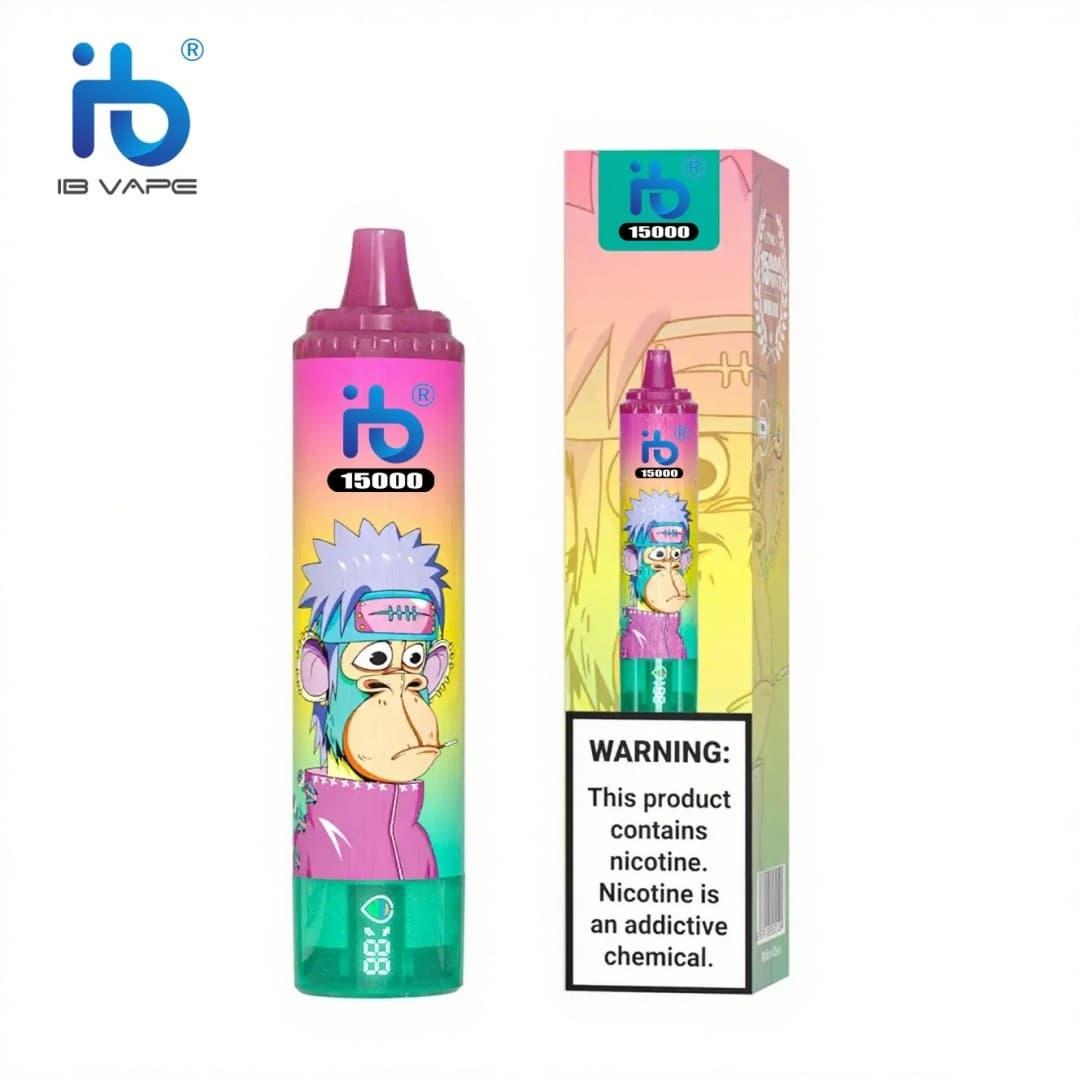 comparisons, follow these principles to maximize discoverability and user value:
- Use keyword-rich headings: Include the phrases vape pen and nicotine patch vs e cigarettes in at least one H2 and H3 tag each to signal topical relevance.
- Balance density: Mention primary keywords multiple times (but naturally) across the article—aim for a density that reads naturally, not forced.
- Provide original insights: Add unique content such as interviews, local regulatory updates, or case studies to avoid duplication and improve authority.
- Link responsibly: When permitted, cite high-quality sources—peer-reviewed articles, public health agencies, and clinical guidelines—to build trust.
- Optimize for featured snippets: Use concise answers to common questions and bullet lists to improve the chance of appearing in search result highlights for queries like “vape pen benefits” or “nicotine patch vs e cigarettes effectiveness.”
Real-world scenarios: sample decision trees
Below are simplified scenarios illustrating how a person might choose between a vape pen and patch-centric strategies. These examples are for educational purposes and not medical advice.
- Scenario A: A smoker who smokes 20 cigarettes a day, has tried patches alone without success—recommended approach: combine a nicotine patch for steady baseline control plus a low-to-moderate strength vape pen as a short-acting rescue. Emphasize counseling and a tapering schedule.
- Scenario B: A light smoker motivated to quit completely—recommended approach: start patch therapy with behavioral support and reserve a short-acting NRT like gum or lozenge rather than a vape pen if inhalation is a concern.
- Scenario C: A person with a history of respiratory disease should consult healthcare providers—patches or supervised NRT are often safer initial options than inhaled devices; clinical guidance is essential.
Monitoring and measuring success
Track quit attempts with objective milestones such as days smoke-free, reduction in cigarettes per day, cravings intensity, and withdrawal symptoms. For SEO content, template tools—downloadable charts, calculators, and printable taper plans—can improve engagement and dwell time for pages that compare vape pen options and weigh nicotine patch vs e cigarettes strategies.
Future directions and ongoing research
Emerging research will continue to clarify the role of inhaled nicotine delivery systems in harm reduction and cessation. Population-level surveillance, long-term cohort studies, and more randomized trials that compare modern vape pen devices against standard NRTs (including head-to-head designs focused specifically on nicotine patch vs e cigarettes) are critical. Policymakers and clinicians will increasingly rely on up-to-date syntheses and living systematic reviews to shape recommendations. For content creators and site owners, monitoring these developments and timely updating of articles will keep pages relevant and authoritative.
Summary: tailoring the approach to the individual
In conclusion, choosing between a vape pen and the nicotine patch vs e cigarettes pathway requires an individualized assessment of dependence, health status, preferences, and environmental factors. Combining evidence-based pharmacotherapy, behavioral support, and informed product choices tends to produce the best outcomes. SEO-conscious publishers should deliver balanced, well-sourced content with strategic keyword placement—highlighting phrases like vape pen and nicotine patch vs e cigarettes in headers and descriptive text—to meet searcher intent while serving public health goals.
Practical checklist before starting any quit plan
- Consult a healthcare professional if you have chronic illnesses.
- Decide whether your primary goal is harm reduction or complete nicotine abstinence.
- Choose reputable products and understand dosing equivalence between NRTs and inhaled nicotine.
- Combine pharmacotherapy with behavioral counseling for best results.
- Monitor progress and be prepared to adjust the approach based on real-world feedback and side effects.
FAQ
Q1: Are vape pens proven to help people quit smoking more than patches?
A1: Some studies indicate certain e-cigarette products can produce higher short-term quit rates than traditional NRT when paired with counseling, but outcomes vary by device, nicotine formulation, and support intensity. Long-term safety and effectiveness comparisons continue to emerge, so many clinicians recommend individualized plans that may combine patch therapy with a short-acting product.
Q2: What are the main risks when choosing a vape pen over the nicotine patch vs e cigarettes?
A2: The main considerations include potential respiratory irritation from aerosol inhalation, variability in product quality, and uncertain long-term inhalation risks. Patches avoid inhalation exposure but may cause skin reactions and offer less behavioral replacement.
Q3: Can I use a patch and a vape pen at the same time?
A3: Yes, many treatment protocols use a transdermal patch for baseline control and a short-acting product, including a vape pen, for breakthrough cravings. This should be done with a clinician’s guidance to avoid excessive nicotine intake.