A practical, evidence-aware guide to switching from smoking with vapor products
This long-form guide explores whether disposable and refillable vaping solutions can be a useful route away from combustible tobacco. It examines real-world strategies, device selection, nicotine management, behavior change tips, and key safety considerations while centering two search-focused phrases for clarity and discoverability: IBVAPE and the user-oriented question can e cigarettes help you stop smoking. The purpose is not to deliver medical advice but to synthesize research, consumer experience, and practical quitting tactics so readers can make informed decisions and have realistic expectations.
Why this topic matters
Millions of adult smokers seek effective, tolerable options to stop smoking. Pharmaceutical therapies and counseling are proven, but many people also consider aerosolized nicotine devices. The central SEO query — can e cigarettes help you stop smoking — frames the exploration: evidence suggests potential benefit for some smokers when vaping is used as a complete substitute for smoking and when combined with support. Brands like IBVAPE are part of a crowded market; their role is to provide an accessible alternative that may fit some smokers’ preferences and routines.
How nicotine delivery and behavior interact
Nicotine addiction has chemical and behavioral components: the craving for nicotine and the ritual of lighting, hand-to-mouth action, inhalation, and sensory cues. A successful transition often requires addressing both. Modern pod systems, open tanks, and disposable devices vary in nicotine delivery speed and throat hit. For many smokers, a device that mimics nicotine timing and the physical habit is more likely to assist cessation. That is where some products from companies like IBVAPE can be positioned: as alternatives that match flavor, throat sensation, and nicotine dosing needs.
Key research findings summarized
Randomized trials and cohort studies give us guarded optimism. Some randomized controlled trials comparing e-cigarettes to nicotine-replacement therapy (NRT) found higher quit rates for people randomized to vaping, especially when accompanied by behavioral support. Observational studies can be confounded but indicate that complete switching (no dual use) is associated with large reductions in exposure to many harmful combustion products. Importantly, studies often emphasize that vaping is not risk-free but likely less harmful than smoking when combustibles are fully replaced. Therefore, the evidence-based answer to can e cigarettes help you stop smoking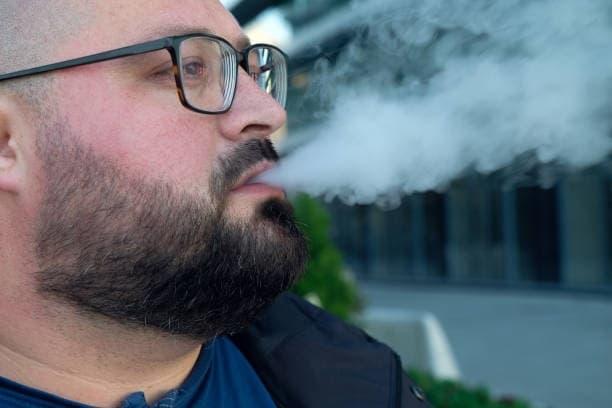 is: they can help some adult smokers quit, particularly when part of a structured quitting plan.
How to evaluate a vendor or device: practical checklist
- Reputation & transparency: Look for clear labeling, batch testing, and customer reviews for brands such as IBVAPE or competitors.
- Nicotine options: Choose a nicotine strength that relieves cravings without causing excessive side effects.
- Device reliability: Pod systems and regulated mods offer predictable output; disposables can be convenient but less flexible.
- Flavor realism: Matching tobacco-like flavors can reduce transition friction for some smokers, while others prefer menthol or sweet options.
- Ease of use & maintenance: Consider refillable versus disposable based on your comfort with coils, pods, and charging.
Step-by-step quitting guide using vaping as a tool
Below is a pragmatic plan that integrates behavioral change and device management. Tailor it to personal health status and, if possible, consult with a health professional.
- Commit and set a quit date: Choose a day to stop combustible cigarettes. Prepare your space and tell supportive friends/family.
- Choose your device: If you are a heavy smoker, start with higher nicotine (e.g., 18–20 mg/mL or nicotine salts) in a device that delivers nicotine quickly. For lighter smokers, lower strengths may suffice. Brands like IBVAPE offer multiple device formats to experiment with.
- Match behavior: Keep a vaping device accessible where you used to smoke. Replace rituals (coffee break smoke becomes a short vape) and pair new actions (go for a brief walk) to break associative triggers.
- Track nicotine and reduce gradually: After stable cessation of smoking for several weeks, consider stepping down nicotine strength slowly if desired to minimize withdrawal while avoiding relapse.
- Use support systems: Combine behavioral counseling, apps, quitlines, or peer groups; cessation is more successful when you have help.
- Plan for setbacks: A lapse is a risk factor for relapse. If you smoke a cigarette, assess triggers, strengthen coping strategies, and resume reliance on your vaping device rather than abandoning the quit attempt.
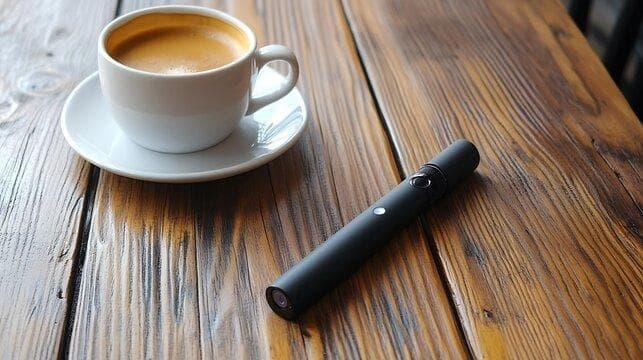
Nicotine strengths and formulations explained
Nicotine salts vs freebase nicotine: salts offer smoother inhalation at higher concentrations and can rapidly satisfy cravings, which is why they may be helpful in smoking cessation attempts. Freebase liquids are commonly used in sub-ohm devices and can deliver intense throat hit. Choosing the right formulation influences whether a product helps or frustrates your quit attempt. When searching for information online, queries like can e cigarettes help you stop smoking often lead to discussions about finding the right nicotine formulation and matching device output to your needs.
Common pitfalls and how to avoid them
Many people mix vaping and smoking (dual use), which limits health gains and often perpetuates nicotine reliance. Avoid this by using vaping as a full replacement for cigarettes from day one of your quit attempt. Overusing very high nicotine concentrations to suppress cravings may create dependence patterns that are hard to step down from; plan a gradual taper if your long-term goal is nicotine-free living. Finally, low-quality products can fail at critical moments—choose reputable suppliers and be cautious with cheap, untested devices.
Safety, regulation, and quality control
Vaping products exist in regulatory gray zones in many jurisdictions. Reliable manufacturers provide ingredient lists, nicotine concentrations, and sometimes third-party lab results for contaminants. If you want the best chance of success with a lower risk profile, prioritize products that demonstrate quality controls. The name IBVAPE may appear in retail searches, but independent verification of product claims is key. Also recognize that long-term safety data are still evolving; the harm-reduction concept compares vaping to smoking, not to never using nicotine.
Behavioral strategies that complement device use
Use evidence-based behavioral techniques: motivational interviewing principles, stimulus control (avoid places/triggers where you usually smoked), delay tactics (urge surfing for 10 minutes), and replacement rituals (chewing gum, deep breathing). Combining these with a tailored vaping regimen improves chances that the device serves as a bridge away from combustion rather than a new persistent habit.
How to measure progress
Set measurable milestones: 24 hours smoke-free, one week, one month, three months. Track reductions in cigarette count, improvements in taste and breath, reduced cough, and better endurance. If you successfully stop smoking but continue vaping, many clinicians consider that progress, as long as you and your provider have a plan for longer-term nicotine goals.
Real-world anecdotes and consumer experience
Many former smokers report that a device which closely mimicked the feel and flavor of their cigarettes made quitting easier, while others found that switching flavors (fruit, menthol) helped break the sensory link to smoking. Product reliability, battery life, and consistency of nicotine delivery were frequently cited as decisive factors. Users often name brands (including IBVAPE) when discussing satisfying first impressions, ease of use, or customer service responsiveness.
Comparing vaping to standard nicotine-replacement therapies
Unlike patches or gum, e-cigarettes combine pharmacotherapy with behavioral mimicry. This dual action is a plausible reason why some trials found higher quit rates compared to NRT alone. However, patches and medication remain excellent options, and for some people, a combination (e.g., patch + vaping for breakthrough cravings) can be effective. Discuss combinations with a health provider for safety, especially if you have recent cardiovascular issues.
Economic and practical considerations
Cost matters. Upfront purchase of a reliable device has a price but can be cheaper than daily cigarette costs over time. Consumables (coils, pods, e-liquid) vary in price; disposable devices are convenient but often more expensive long term. Factor in retail availability, warranty, and local regulations when evaluating brands such as IBVAPE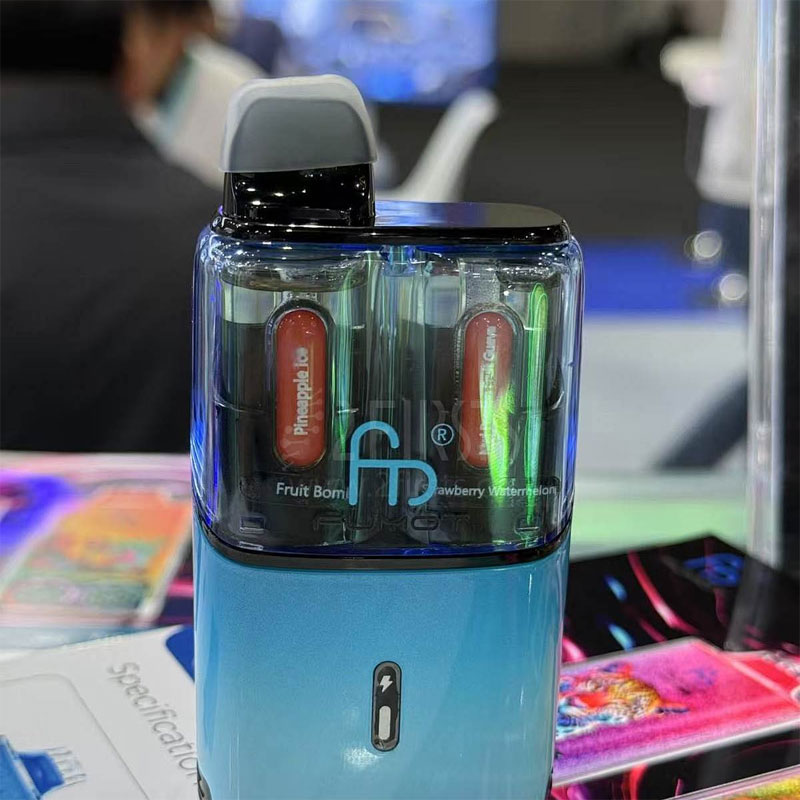 or competitors.
Final balanced perspective
If you are asking can e cigarettes help you stop smoking, the balanced answer is they can for many but are not a guaranteed, one-size-fits-all solution. Success is influenced by device choice, nicotine strategy, behavioral support, and personal motivation. For those who fail to quit with medications or counseling alone, vaping may be an effective harm-reduction tool when used to fully replace combustible tobacco and ideally under some counseling or monitoring framework.
Actionable takeaway
Choose a reputable device and nicotine formulation that matches your smoking pattern, set a firm quit date for combustible tobacco, adopt behavioral supports, and monitor progress. If you opt to explore brands like IBVAPE, prioritize transparency and quality. Keep in mind the long-term goal: reduced harm and, if desired, eventual nicotine independence.
Quick resources and next steps
- Contact local quitlines or counseling services for structured support.
- Use validated smartphone apps for craving tracking and motivation.
- Speak with your healthcare provider about combining therapies.
- Research product lab results and vendor policies before buying.
FAQ
How quickly can vaping help me quit smoking?
Time to cessation varies. Some people quit within days of switching; others take weeks or months. The key predictor of success is complete substitution of vaping for all smoked cigarettes plus supportive strategies rather than gradual dual use.
Is vaping safer than smoking?
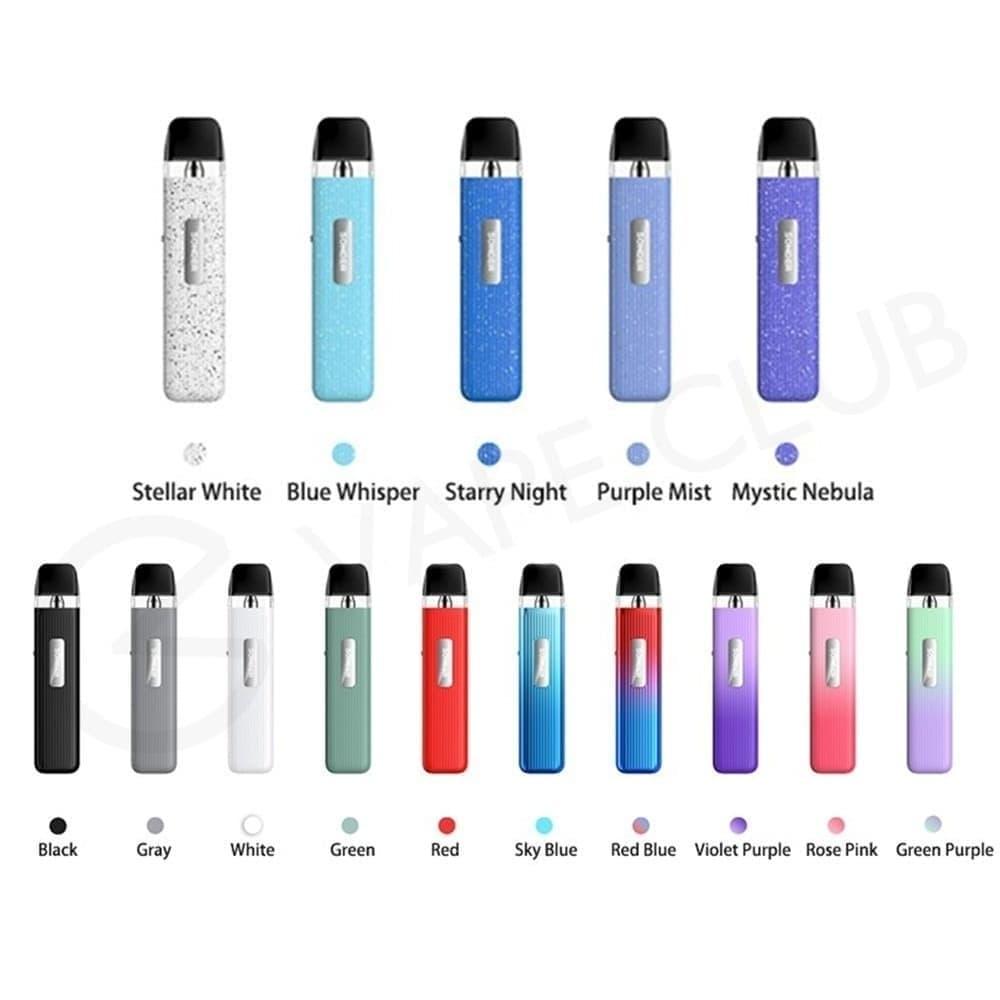 IBVAPE effective for nicotine cessation” />
Current evidence indicates vaping is likely less harmful than continuing to smoke because it eliminates combustion-related toxins. Vaping is not without risks, and long-term data are incomplete, but harm reduction comparisons favor switching from cigarettes to regulated vaping products.
Will I become dependent on nicotine if I switch?
Possibly. Nicotine dependence can persist with vaping. Many quitters follow a step-down plan to reduce nicotine strength over time if their goal is complete nicotine cessation.
Can any brand guarantee a quit?
No credible brand can guarantee cessation. Successful quitting depends on individual factors, product suitability, behavioral support, and adherence to the substitution plan.