E-papierosy|turkey e-cigarette import regulations: Practical roadmap for brands entering the Turkish market

This comprehensive guide explains the regulatory landscape, procedural steps, compliance checklist, and market-entry tactics for companies that sell E-papierosy and wish to navigate turkey e-cigarette import regulations. The content is optimized for search and organized for easy implementation. It uses clear headings, structured lists, and highlighted keywords to support SEO: E-papierosy, turkey e-cigarette import regulations, and related search terms are intentionally repeated and contextualized to increase relevance without resorting to spammy repetition. Read on for a structured, practical approach to importing and distributing electronic nicotine delivery products in Turkey.
Why specialized guidance matters
Regulatory environments change quickly, and Turkey has particular public health, customs, and trade measures affecting nicotine products. Importers of E-papierosy or suppliers exploring turkey e-cigarette import regulations must align with labeling, notifications, taxes, and product safety requirements to avoid seizures, delays, or fines. This guide synthesizes official sources, customs practices, and marketplace realities so that brands can implement a compliant market-entry plan.
Overview of current regulatory context
Turkey regulates electronic nicotine products through a combination of public health law, tobacco product rules, and customs tariff measures. Key elements include product classification (tobacco-related product vs. consumer electronic device), ingredient and nicotine concentration limits, labeling and warnings, language requirements (Turkish), testing and certification expectations, and taxation. For SEO clarity, this article uses and highlights the phrase E-papierosy and the search intent term turkey e-cigarette import regulations in strategic headings and anchor phrases to help prospective importers discover this content.
Key legal categories and definitions
- Nicotine-containing e-liquids — Often regulated as tobacco-related products or controlled substances depending on concentration and product claims.
- Non-nicotine e-liquids — May be treated as consumer goods but can still face labeling and safety requirements.
- Devices (vapes/hardware) — Assessed for electrical safety, battery compliance, and product liability.
Who enforces rules?
The enforcement ecosystem includes Customs (General Directorate of Customs), Ministry of Health agencies, and municipal consumer protection authorities. Customs clearance is the first practical hurdle: accurate HS codes, invoices, and certificates shorten release times and prevent detention.
Import procedure step-by-step
- Classify your product: Determine whether the shipment is categorized as a tobacco product, pharmaceutical-like product, or electronic device. Proper classification determines permits, labels, and taxes.
- Prepare documentation: Commercial invoice, packing list, bill of lading/airway bill, manufacturer’s declaration of composition (including nicotine concentrations), safety data sheets (SDS), and certificates of conformity if available.
- Notify relevant authorities: Certain nicotine products may require pre-registration with health authorities or submission of product information prior to market placement.
- Lab testing and certification: If required, products must meet chemical analyses, emissions testing, and electrical safety standards. Arrange sample testing with accredited labs in Turkey or accepted foreign labs with mutual recognition.
- Labeling and language: Labels must include Turkish language warnings, ingredient lists, batch/lot numbers, and importer name and address. Ensure font sizes meet local legal minimums for health warnings.
- Pay duties and taxes: Calculate customs duties, VAT, and any special excise taxes applicable to nicotine products. Factor in anti-dumping or other trade measures if relevant.
- Customs clearance and distribution: Work with a licensed customs broker familiar with turkey e-cigarette import regulations to expedite processing and avoid common pitfalls.
Customs classification and HS codes
Assigning the correct Harmonized System (HS) code is critical. Codes commonly used for atomizers, devices, and e-liquids differ. Misclassification can trigger detention or reclassification at a higher duty rate. Engage a customs specialist to verify codes for electronic devices (battery-operated) versus liquid preparations. Use clear product descriptions on all documents: “electronic vaporizing device,” “e-liquid with X mg/mL nicotine in propylene glycol/vegetable glycerin base,” and so on. Make sure the invoice mirrors the actual cargo to minimize inspections.
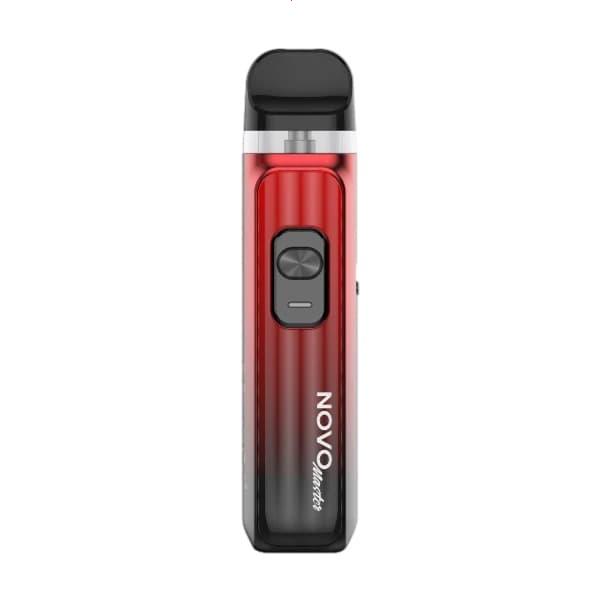
Testing, safety standards, and lab requirements
Product testing expectations include chemical composition, heavy metals, and emissions when vaporized. Chargers and batteries must meet electrical safety standards and, if applicable, CE markings or equivalent conformity documentation. For E-papierosy, provide lab reports showing nicotine concentrations and ingredient lists in mg/mL. When using third-party labs, confirm that the results are documented, signed, and traceable to the tested batch numbers.
Labeling, packaging, and consumer information
Label requirements often mandate Turkish language health warnings, ingredient list, nicotine content, usage instructions, manufacturer/importer details, and a batch code for traceability. Child-resistant packaging may be required for nicotine-containing products. Packaging must not contain claims such as “safe,” “healthy,” or “smoking cessation” unless the product is registered and approved for such claims under health product regulations. Brands should prepare Turkic translations verified by a local legal reviewer to prevent non-compliance.
Taxation, tariffs, and duty planning
Understand the VAT rate and any special consumption taxes applied to nicotine products. Excise tax policy can significantly impact retail pricing and margin calculations. Build tax provisioning into your landed cost model when evaluating competitiveness. Document tax rulings, if any, and keep clear records for audits. For SEO and user clarity the phrase turkey e-cigarette import regulations is repeated in context of fiscal compliance to guide brands seeking tax-related information.
Regulatory risks and enforcement actions
Non-compliance penalties include fines, shipment detention or destruction, product recalls, and reputational damage. Health authorities may seize goods that present mislabeling or unapproved ingredient risks. Prepare a recall plan and maintain full traceability (PAL: product, article, lot) for every shipment to accelerate remedial actions if needed.
Market entry tactics: distribution and partnerships
Selecting the right channel reduces compliance burden and speeds up market penetration. Options include:
- Local distributor — They handle customs, warehousing, and sometimes regulatory filings but take a margin. Choose partners with proven experience in nicotine-containing products and a catalog of retail clients.
- Direct importer/affiliate — Larger brands may set up a Turkish subsidiary to control quality, labeling, and distribution, enabling stronger margin control but requiring local compliance infrastructure.
- E-commerce first — Selling online through regulated platforms can be effective but requires strict age verification and platform compliance where applicable.
Practical commercial and marketing tips
Marketing nicotine products often faces advertising restrictions. Focus on retailer training, point-of-sale compliance, and educational materials for adult consumers. Avoid public advertising or claims that imply health benefits. When launching, consider a phased approach: pilot in major urban centers, gather compliance feedback, then scale. Use localized SEO tactics: include keywords like E-papierosy in Turkish-language landing pages, product descriptions, and metadata (handled by web devs) while using turkey e-cigarette import regulations in blog content and resource pages to attract regulatory-intent searchers.
Selecting third-party service providers
Work with service providers that understand the tobacco and nicotine sector: customs brokers, local regulatory consultants, accredited testing labs, and legal counsel. Vet partners by checking prior work with similar products, and require references. For cross-border shipments, request a sample clearance plan and an estimated timeline for first-time shipments to anticipate potential holds.
Pricing strategy and landed cost optimization
Landed cost = product cost + freight + insurance + customs duty + excise taxes + VAT + local handling. To compete effectively, model scenarios with different duty outcomes and retail channel margins. Consider shipping multiple shipments to reduce lead times, and negotiate Incoterms clearly to determine who bears customs risk. Use economies of scale cautiously — large shipments could trigger stricter inspections or higher excise obligations.
Packaging, batch tracking, and recalls
Implement robust batch tracking from manufacturing through distribution. Include lot numbers on both packaging and shipping documentation. A digital traceability system that links batch numbers to lab results and certificates enhances recall readiness and supports compliance checks.
Common pitfalls and how to avoid them
- Inaccurate HS codes — Always verify with a customs specialist early on.
- Improper language or omission of warnings — Use verified Turkish translations and confirm font/placement requirements.
- Unverified lab reports — Use accredited labs and retain test samples for retesting.
- Inadequate contract terms — Clear Incoterms and responsibilities reduce disputes during customs clearance.
Checklist for first import shipment
- Final product classification (HS code)
- Complete commercial invoice and packing list
- Manufacturer’s declaration and ingredient list with nicotine mg/mL
- Safety Data Sheets for liquids and batteries
- Third-party lab test reports and certificates of conformity
- Turkish-language labels and packaging proofs
- Customs broker agreement and clearance plan
- Tax and tariff calculation and cash-flow for duties
- Batch-traceability mechanism
Operational playbook for the first 90 days
Day 1–30: finalize classification, choose a customs partner, and prepare labels and documentation. Day 31–60: ship a pilot consignment with full testing documentation, clear customs, and distribute to a limited set of retailers for feedback. Day 61–90: review compliance feedback, adjust labeling or documentation if required, and scale distribution while monitoring inventory and regulatory updates. Use this staged approach to reduce risk and learn from real-world enforcement practices while maintaining the integrity of your E-papierosy supply chain.
eCommerce and cross-border sales considerations
Online sales of nicotine products present additional hurdles: platforms may require proof of age verification, and cross-border shipments to consumers can be intercepted by customs. Consider local fulfillment to reduce customs friction or partner with established e-tailers with experience selling regulated adult products. When targeting Turkish consumers, use local language product pages optimized for keywords like E-papierosy and educational blog posts referencing turkey e-cigarette import regulations to capture organic traffic from search engines.
Monitoring regulatory updates and advocacy
Regulatory landscapes can change — maintain subscriptions to official gazettes, trade association bulletins, and customs alerts. Join local business associations or tobacco industry groups to learn about policy trends and potential draft legislation. Engaging early with policymakers through trade associations can provide advance visibility into upcoming regulatory shifts.
Case study summary (anonymized)
One mid-size European brand pilot-launched in Turkey by starting with non-nicotine devices and e-liquids to establish distributor relationships, refine Turkish labeling, and validate logistics. They then introduced nicotine product lines after local lab testing and tax planning were completed, and used a local subsidiary to assume regulatory responsibilities. Their phased approach minimized inventory risk and allowed rapid corrective actions after a customs inspection flagged a labeling detail.
Conclusion: pragmatic compliance coupled with smart market tactics
Success in Turkey requires harmonizing regulatory compliance with commercial strategy. Brands that build compliant labels, precise documentation, reliable lab testing, and strong local partnerships reduce time-to-market and legal exposure. Throughout this guide the focused use of terms such as E-papierosy and turkey e-cigarette import regulations is intended to help importers and brand managers find actionable guidance quickly. Follow the stepwise processes here, maintain clear records, and iterate on your market approach based on real enforcement and trade feedback.
Additional resources and next steps
- Engage a customs broker with tobacco product experience
- Pre-validate Turkish translations and label designs
- Obtain accredited lab analyses of representative production batches
- Prepare a fiscal model including VAT and excise scenarios
- Document a recall plan and traceability system
Contact and compliance support
For hands-on assistance, seek local legal advice and third-party compliance firms experienced with tobacco, vaping, and nicotine sectors. Local consultants will help you interpret turkey e-cigarette import regulations, submit necessary notifications, and manage customs interactions.
SEO tip: Use targeted resource pages and FAQs with the keyword E-papierosy and related phrasings to improve discoverability among intent-driven searchers. Avoid keyword stuffing; focus on natural language and helpful content.
FAQ
Q1: Are nicotine-containing e-liquids allowed in Turkey?
Answer: Nicotine-containing e-liquids are subject to strict regulation; many such products can be imported if declared correctly, tested, and labeled in Turkish. Regulatory classifications can change, so confirm current rules with local authorities or a trusted compliance partner.
Q2: What documentation is most frequently requested by customs?
Answer: Customs typically requests accurate invoices, packing lists, manufacturer declarations listing nicotine concentrations and ingredients, SDS, and test certificates. Misalignment between invoice descriptions and product labels is a frequent cause of delays.

Q3: Do devices require electrical safety certification?
Answer: Yes, devices with batteries or chargers often must meet electrical safety and battery transport rules. Provide certificates and, where relevant, evidence of conformity to accepted safety standards.
Q4: Can a foreign company import directly or must it use a local importer?
Answer: Both are possible. Many brands use local importers or a Turkish subsidiary to assume regulatory responsibility, easing interactions with authorities and retailers.
Note: This guide provides general information and does not replace legal advice. For precise compliance steps and real-time regulatory updates consult local counsel and accredited testing labs before initiating imports of E-papierosy.