Smart guide for choosing and living with modern vape devices
This comprehensive buyer-oriented guide focuses on practical, easy-to-follow strategies for selecting devices and cutting down lingering odors. Whether you are shopping for a compact pod system or a robust mod, understanding how to control electronic cigarette smell and how device choices influence indoor air is essential. We’ll cover device selection, maintenance routines, flavor and coil tips, ventilation tactics, and behavior adjustments that reduce smell while preserving a satisfying experience with your chosen brand, including popular lines such as IBvape E-Cigarete.
Why odors occur and what they really mean
The perceived scent from vaping is not identical to traditional tobacco smoke; it results from vaporized flavor compounds, propylene glycol, vegetable glycerin, nicotine (if present), and trace compounds produced when e-liquids contact hot coils. Recognizing this helps you target interventions: some smells dissipate quickly, others cling to fabrics. Reducing electronic cigarette smell is often about limiting aerosol deposition, choosing low-odor e-liquids, and optimizing device temperatures.
Core elements that influence odor
- Device power and coil temperature: Higher temperatures can increase by-products and intensify scent.
- Wick and e-liquid composition: VG-heavy juices produce thicker vapor that may linger; PG-rich juices tend to carry more fragrance forward.
- Flavor concentration: Sweet, dessert, or bakery flavors are more likely to cling to textiles.
- Frequency and location of vaping: Indoor, close-to-fabric use creates build-up much faster than outdoor use.
Choosing the right unit — a practical buyer checklist
When evaluating devices like IBvape E-Cigarete models and alternatives, prioritize design elements that reduce leakage, minimize oversaturation of wicks, and allow for temperature control. Look for the following features:
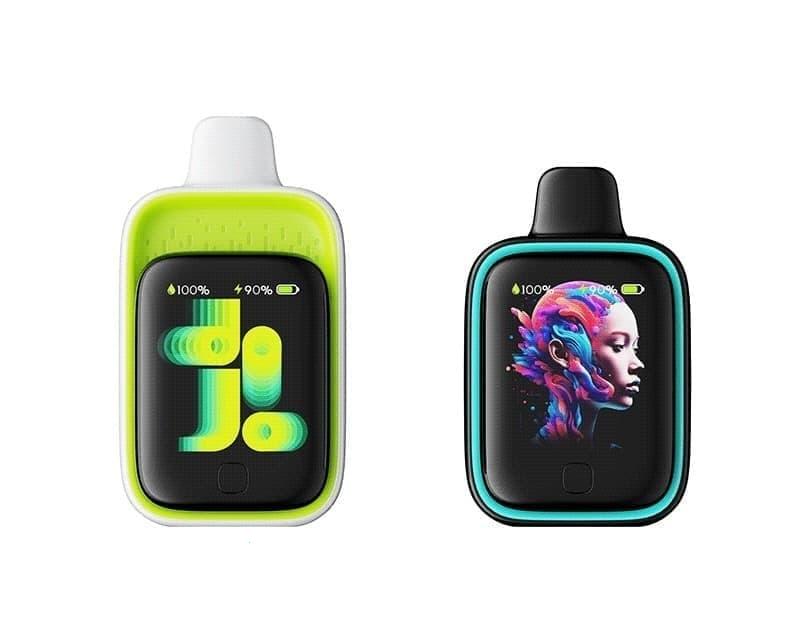
- Temp control or low-wattage modes: Lower consistent coil temperatures reduce overheating and chemical changes that increase odor.
- Sealed pod systems vs rebuildable tanks: Sealed pods often limit spills and reduce odor diffusion in indoor spaces.
- Quality wicking materials: Organic cotton and optimized airflow reduce charring smells.
- Compact airflow management: Adjustable draws let you reduce aerosol volume per puff, lowering indoor residue.
- Leak-resistant architecture: Minimizes e-liquid on exterior surfaces that cause lingering smells.
Flavor and formula tips to cut down scent
Choosing milder, less “sticky” e-liquids is one of the most effective ways to limit perceptible odor. Tobacco and menthol blends, or single-note light flavors, are often less intrusive than complex bakery or sweet profiles. Consider PG-forward options for lighter scent diffusion, and avoid high-VG dessert blends if you want to keep rooms fresher. For those using IBvape E-Cigarete flavored pods, opt for neutral or minty selections if exposure to others is a concern.
Nicotine salt vs freebase nicotine
Nicotine salts can deliver satisfying throat hit at lower power, meaning you can vape with less aerosol generation, indirectly cutting down electronic cigarette smell. If you switch to nic salts on a low-wattage pod that supports them, you may notice a significant reduction in odor persistence.
Maintenance rituals that dramatically reduce lingering smell
Regular cleaning is non-negotiable. Wipe exterior surfaces, change pods or coils promptly, and clean drip tips and mouthpieces daily. For devices like IBvape E-Cigarete units, follow manufacturer cleaning steps: empty and rinse refillable pods, clean metal contacts with a dry cloth, and store devices in sealed containers between uses if scent control is critical. Deep cleaning every 1–2 weeks reduces built-up residues that produce stale scents.
Step-by-step cleaning routine
- Disassemble and remove pods/coils.
- Rinse pods with warm water (if manufacturer permits) and air-dry thoroughly.
- Soak mouthpieces in mild detergent or rubbing alcohol for short periods and rinse.
- Use cotton swabs to clean battery connections and remove sticky e-liquid.
- Replace coils and wicks at first sign of burnt taste or dark residue.
Indoor air strategies to refresh rooms fast
Small behavioral changes and a few tools can keep an interior smelling neutral. Ventilation is the first line of defense: open windows, use exhaust fans, and create cross-breezes. For apartments or rooms without reliable airflow, portable air purifiers with HEPA and activated carbon filters are highly effective at reducing aerosol particles and odor molecules. Place purifiers near vaping zones and run them continuously during and after sessions to lower the concentration of volatile compounds that produce electronic cigarette smell.
Practical odor-control accessories
- Activated carbon filters: Trap volatile organic compounds (VOCs) and some odor-causing molecules.
- HEPA filtration: Removes particulate matter — the physical carriers of many scent compounds.
- Odor absorbers (baking soda, zeolite packs): Good for closets, drawers, and fabric-laden areas.
- Neutralizing sprays: Use enzyme-based or odor-neutralizing solutions rather than purely perfumed sprays which can mask but not remove smell.

Fabric and surface management

Vapor particles readily adhere to porous surfaces like curtains, upholstery, carpets, and clothing. To keep spaces smelling fresh, launder soft furnishings, vacuum with HEPA-equipped cleaners, and use steam cleaning occasionally for carpets and sofas. For fast action, remove and wash nearby cushions and toss fabrics into sunlight — UV exposure helps break down some odor molecules. Seal stored items in garment bags or airtight containers to prevent them from absorbing persistent scent.
Etiquette and situational tips
Consider where and when you vape: smoking near entryways, shared HVAC intakes, or near fabrics increases the chance others will notice electronic cigarette smell. Use designated spaces with good ventilation, seat people downwind, and inform household members about cleaning schedules. If you’re hosting, offer a small, ventilated outdoor area instead of indoor vaping. These simple social habits reduce complaints and help maintain positive relationships.
Long-term home adjustments that help
For regular vapers, investing in home upgrades pays off over time. Improve kitchen and bathroom exhausts, install trickle-vent windows, and add continuous fresh-air ventilation if possible. Upholstery choices matter: leather and synthetic fabrics absorb less scent than natural fibers. Use washable slipcovers in frequently used rooms and keep a cleaning schedule so odors don’t accumulate.
Choosing e-liquids for low odor and discretion
Brands and formulations vary widely. If discretion is a priority, seek e-liquids marketed as low-odor or choose menthol/tea/herbal flavors that disperse quickly and are less likely to cling to fabrics. Avoid heavy dessert, cream, and custard profiles in household settings. Always test small quantities first to evaluate both personal satisfaction and odor impact.
Troubleshooting persistent smells
If your space retains an unwelcome scent despite efforts, follow a structured troubleshooting plan: identify high-traffic vaping zones, deep-clean soft surfaces, inspect devices for leaks, and replace coils/pods. Use an air quality monitor if available to measure particulate levels before and after changes; a sharp drop confirms effectiveness. For stubborn odors, consider professional deep cleaning services for carpets and upholstery.
When to replace or upgrade a device
The right timing for discarding hardware is driven by performance and smell. If a device frequently leaks, tastes burnt despite new coils, or produces excessive vapor at normal settings, it’s time to upgrade. Modern models from reputable lines such as IBvape E-Cigarete often incorporate odor-reducing design choices: tighter seals, optimized airflow, and temperature control. Investing in a higher-quality device can reduce maintenance and long-term smell issues.
Safety and health considerations
Reducing electronic cigarette smell often overlaps with reducing exposure to airborne particles. Good ventilation and filtration benefit both scent control and indoor air quality. Avoid home modifications that increase fire risk (for instance, don’t use candles or unknown chemical foggers to counteract odor). Use recommended chargers and follow battery safety guidelines to ensure both odor mitigation and safe operation.
Cost-effective, eco-aware strategies
Many smell-reduction practices are inexpensive: opening windows, laundering fabrics, and switching to lower-wattage settings. Replacing disposable pods with refillable systems may cut waste and control flavors; however, maintain cleanliness rigorously. Choose reusable options with easy-to-clean parts and be mindful of proper recycling or disposal of batteries and cartridges to reduce environmental impact.
Portable solutions for on-the-go discretion
When you need a compact, less-scent footprint, select low-power pod devices and mild-flavored e-liquids. Carry a small microfiber cloth to wipe the device after use and keep spare, sealable containers for used pods. For travel, use odor-neutralizing packets in luggage and store vapes in ventilated, dedicated compartments to prevent cross-contamination with clothes.
Summary checklist
- Choose low-temperature, leak-resistant devices (e.g., modern IBvape E-Cigarete variants).
- Prefer PG-forward or neutral-flavored e-liquids for lower scent persistence.
- Adopt a daily and weekly cleaning routine for device parts and mouthpieces.
- Use HEPA + activated carbon air purifiers and ventilate spaces well.
- Wash fabrics regularly and consider material choices that trap less odor.
- Practice considerate vaping behavior and designate well-ventilated zones.
What to look for when purchasing
Ask retailers about coil types, pod sealing, and whether the device offers temperature control. Check reviews that mention odor and leakage. Seek brands with transparent maintenance instructions—products that are easy to disassemble generally make odor control easier. Warranty and customer service responsiveness are added benefits.
Final thought
Combining smart device choices, targeted e-liquid selection, disciplined cleaning, and effective air-management produces the greatest reduction in electronic cigarette smell. Whether your priority is discretion, health, or maintaining an inviting home environment, incremental improvements compound: change one variable at a time and observe the results to find the balance that fits your lifestyle.
FAQ
Q: Can I eliminate all scent from vaping indoors?
A: Complete elimination is difficult because vapor leaves microscopic residues, but you can achieve near-discretion by using low-wattage devices, mild flavors, strict cleaning, and continuous air filtration. Together these steps drastically lower perceived odor.
Q: Does the brand matter for odor control?
A: Yes. Brands with superior engineering (tight seals, temperature control, leak-prevention) like many contemporary IBvape E-Cigarete offerings tend to produce fewer issues. However, maintenance and behavior are equally important.
Q: Which household air purifier features are most important?
A: Select a purifier with HEPA filtration for particulates and activated carbon for volatile compounds. A unit rated for your room size and with replaceable carbon filters is ideal.
By following the practical advice above, you can make informed purchasing decisions and implement simple but effective methods to reduce electronic cigarette smell while enjoying your vaping routine with minimal impact on shared indoor spaces.