Practical Care and Charging Advice for Modern Vaporizers and Accessories
Keeping handheld nicotine delivery devices running at peak performance requires both attentive maintenance and smart choices when selecting power accessories. Whether you’re a daily user or an occasional vaper, understanding how to extend battery life and how to choose the right charger can make a meaningful difference. This guide focuses on best practices for device care, battery longevity strategies, and unbiased insight into popular charging solutions such as the E-cigarete adapters and dedicated e cigarette charger plug models that are common across brands. The recommendations below are practical, actionable, and optimized to help readers searching for reliable information about device upkeep and charging options.
Why battery health matters for portable vaporizers
Battery performance is the foundation of a pleasant vaping experience. A battery that drains quickly or performs inconsistently not only disrupts convenience but can also cause uneven vapor production and reduce coil life. Routine maintenance and the right charging habits can preserve capacity, minimize degradation, and reduce the need for frequent replacements. Emphasizing both mechanical upkeep and electrical best practices helps the device function safely and efficiently.
Core principles for prolonging battery lifespan
- Avoid full deep discharges: Lithium-ion cells used in most E-cigarete devices prefer partial charge cycles. Try to charge when the battery reaches around 20-30% and avoid letting it fall below 10% if possible.
- Moderate charging windows: Frequent top-ups are better than single, repeated full charges. Keeping a battery between 20% and 80% reduces stress and can increase cycle life.
- Temperature control: Heat accelerates chemical aging. Store and charge devices at room temperature. Avoid leaving a device in a hot car or charging near radiators.
- Use quality power sources: Low-cost or uncertified adapters can produce voltage spikes. A certified e cigarette charger plug with proper thermal protection and current regulation is recommended.
- Inspect for damage: Regularly check the battery casing, connectors, and charging cable for frays, dents, or corrosion that can degrade performance or create safety risks.
Cleaning routines that support both function and hygiene
Residue build-up on connectors, airflow channels, and contact points can cause poor electrical connections and reduce vapor quality. A short, consistent cleaning routine improves reliability.
Suggested steps: gently brush contacts with a soft, dry toothbrush, remove debris from mouthpieces or drip tips, and wipe external surfaces with a slightly damp microfiber cloth. When cleaning the contact pin or threads, use a cotton swab dipped in isopropyl alcohol and allow it to evaporate fully before reconnecting. Avoid soaking electronic modules and never use abrasive cleaners.
How the right charger affects battery behaviour
Chargers differ in output voltage, amperage, and safety features. A match between charger capabilities and the device’s charging protocol is crucial. Many modern devices accept USB-C with smart charging protocols while older models rely on micro-USB or proprietary plugs. Choosing an appropriate e cigarette charger plug minimizes charging time while preventing overcurrent. Look for chargers with:
- Over-voltage and over-current protection
- Automatic shut-off when charging completes
- Stable voltage output with minimal ripple
- Certification marks (CE, FCC, or local safety approvals)
Types of chargers and connectors explained
Understanding the differences between available chargers helps consumers make informed purchases. Below are common categories and their pros and cons.
USB-C chargers
USB-C offers fast, reversible connections and higher current delivery. Many new E-cigarete models adopt USB-C for faster charging and improved convenience. Benefits include compatibility with modern power banks and wall adapters, and often improved thermal profiles compared to older standards.
Micro-USB and legacy plugs
Older devices typically use micro-USB or proprietary plugs. They still work fine with standard chargers but can be slower and more prone to wear. When using a micro-USB e cigarette charger plug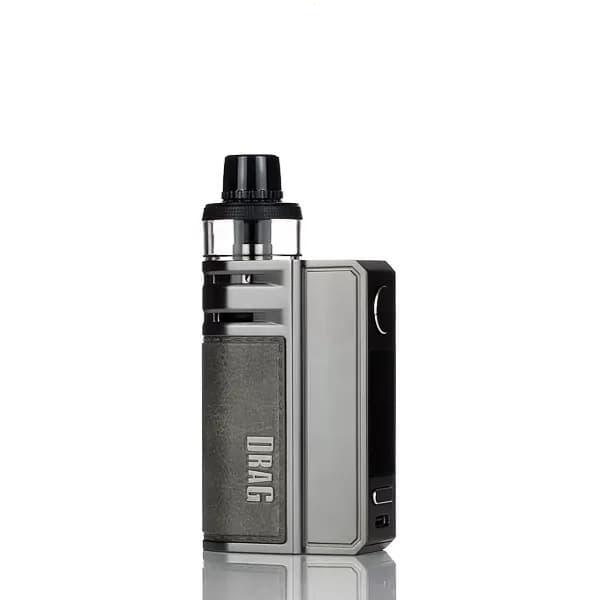 E-cigarete Maintenance Tips and Top e cigarette charger plug Reviews for Longer Battery Life” />, ensure the cable is in good condition and avoid forcing connectors into ports.
Wall adapters vs. USB ports
Wall adapters that supply stable current often charge faster than laptop or car USB ports. However, using a trusted power bank or high-quality adapter with current-limiting features is a safe and portable alternative.
Top factors to consider when choosing a charger
Prioritize safety, compatibility, and convenience. A concise checklist helps: compatibility with device voltage, current rating matching manufacturer recommendations, certifications, durable cable construction, and customer reviews about longevity. When shopping, include keywords like E-cigarete and e cigarette charger plug to find accessories tailored for vaping hardware.
Recommended cable and port care
Replace frayed cables immediately. Avoid sharp bends near the connector ends and unplug by gripping the plug rather than pulling the wire. Coil cables loosely and store them away from heavy objects to prevent internal breakage.
Troubleshooting common charging problems
If a device fails to charge, try these steps before replacing parts: test with a different certified e cigarette charger plug, inspect ports for debris, try another cable, and confirm the wall outlet functions. If the device heats excessively while charging, disconnect immediately and consult the manufacturer’s guidance. Persisting faults warrant professional service or contact with customer support.
Performance tips to maintain vapor quality
Battery health indirectly affects coil temperature consistency and therefore vapor quality. Maintain recommended wattage ranges, change coils at first signs of burnt taste, and clean tanks frequently. These habits reduce the load on the power system and help the battery operate within a safe range.
Choosing the best charging accessories: practical reviews and buyer guidance
Below we summarize categories and what users typically report. These are not brand endorsements but practical observations for readers researching options for their E-cigarete units and for selecting the ideal e cigarette charger plug.
- Compact wall chargers: Pros — reliable power, compact form factor, consistent charging times. Cons — variable build quality among low-cost imports; stick to reputable manufacturers with safety markings.
- Multi-port USB hubs: Pros — can charge multiple devices at once, useful for households. Cons — shared current may slow individual device charging; opt for hubs with per-port current management.
- USB-C PD chargers: Pros — fast and efficient, future-proof connectivity. Cons — ensure device supports higher input current; otherwise, excess capability is wasted.
- Portable power banks: Pros — great for travel and extended days out. Cons — heavier and require periodic charging; choose banks with stable output and protection circuits.

How to read charger specifications
When reviewing a e cigarette charger plug, focus on output voltage (V), output current (A), and any smart charging labels. A sticker or listing might say 5V/2A or 9V/1.67A. For devices that specify charging currents, match the recommended value closely. Higher amperage can speed charging but must be compatible with the device’s internal regulator.
Maintenance schedule: a simple monthly checklist
Adopting a monthly routine prevents issues from escalating. A concise checklist includes: visual inspection of battery and charger, cleaning contacts and mouthpieces, firmware update checks (if applicable), and verifying cable integrity. Recording simple notes after each month helps spot gradual changes in battery runtime and charging speed.
Long-term storage and seasonal tips
If you plan to store a device for weeks or months, store the battery at around 40-60% charge in a cool, dry place. Avoid leaving devices fully charged for long periods. For winter months, keep batteries insulated from extreme cold; cold temperatures temporarily reduce capacity and can stress cells during recharge.
Safety reminders and regulatory considerations
Always follow manufacturer safety instructions. Avoid modifying battery packs or using non-approved power accessories. In many regions, chargers and batteries sold with consumer electronics must meet local safety standards; prioritize accessories that display certification marks. If you notice swelling, odor, or smoke, discontinue use immediately and seek proper disposal procedures at a certified recycling center.
Where to buy reliable charging gear
Purchase chargers from trusted retailers, official brand stores, or reputable online marketplaces with transparent return policies. Reading verified user reviews that mention long-term use and build quality helps filter out low-quality products. Searching with targeted phrases like E-cigarete accessories and e cigarette charger plug reviews often yields comparison articles and product tests that highlight long-term durability.
Environmental and disposal best practices
Batteries are recyclable but must be handled correctly. Do not throw lithium batteries in regular trash. Use local collection points or mail-back programs. When disposing of a charger, remove cables and recycle plastic and metal parts according to local regulations to minimize environmental impact.
Final checklist: everyday habits that extend service life
Adopt these daily practices: avoid extreme temperatures, use certified chargers, avoid overnight charging when possible, perform a weekly quick clean of connectors, and keep firmware updated where available. Together these small habits improve reliability and user experience.
Summary: integrate maintenance with smart charging choices
Long-lasting performance is the result of consistent care and informed accessory selection. Prioritize a trustworthy e cigarette charger plug, practice safe charging habits, and include simple cleaning routines. For those who search for longevity tips for E-cigarete devices, following the guidance above will help maximize battery life, maintain flavor consistency, and reduce the likelihood of charging-related issues.
For readers who want quick links for further research: search terms such as “battery care for vaporizers”, “charger safety for e-cig devices”, and combined keywords like “E-cigarete charger reviews” or “e cigarette charger plug comparison” can surface additional product tests and community feedback that supplement this guide.
Note: always defer to specific manufacturer instructions for model-specific charging parameters and compatibility. If uncertainty remains, contact official support channels before using a third-party charging accessory.