e-cigarety and a Roadmap Toward a Healthier Routine: Balancing Promise and Prudence
This in-depth exploration examines whether e-cigarety devices can be considered part of a broader strategy to move people toward improved health outcomes, and whether framing them as a possible key to healthy choices makes sense for individuals and public health professionals alike. The goal is to provide practical guidance that highlights benefits, uncovers risks, and offers evidence-based tips for anyone curious about how vaping, nicotine delivery systems, and behavior change can interact.
Why examine alternatives to combustible tobacco?
The historical context matters: decades of research have shown that traditional cigarettes inflict substantial harm through combustion products, tar, carbon monoxide, and thousands of toxicants. In contrast, many modern nicotine delivery systems — often grouped under the umbrella term e-cigarety — heat a liquid to create an aerosol rather than burning tobacco. This foundational difference has driven the debate about whether these devices could support smoking cessation or act as a harm reduction option. Still, the question of whether they are a key to healthy living remains complex and nuance-dependent.
Core components and how they work
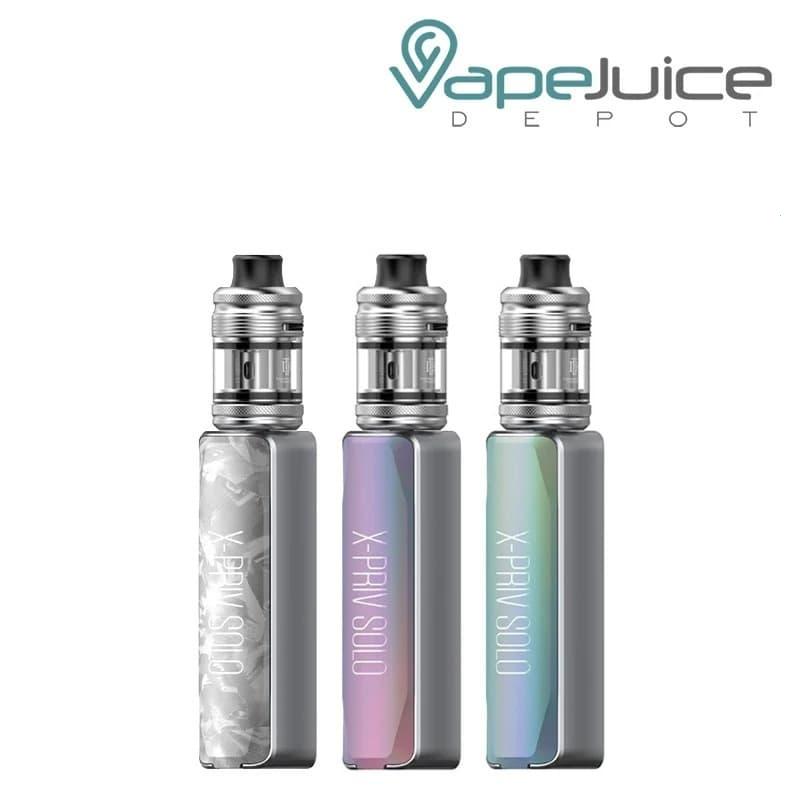
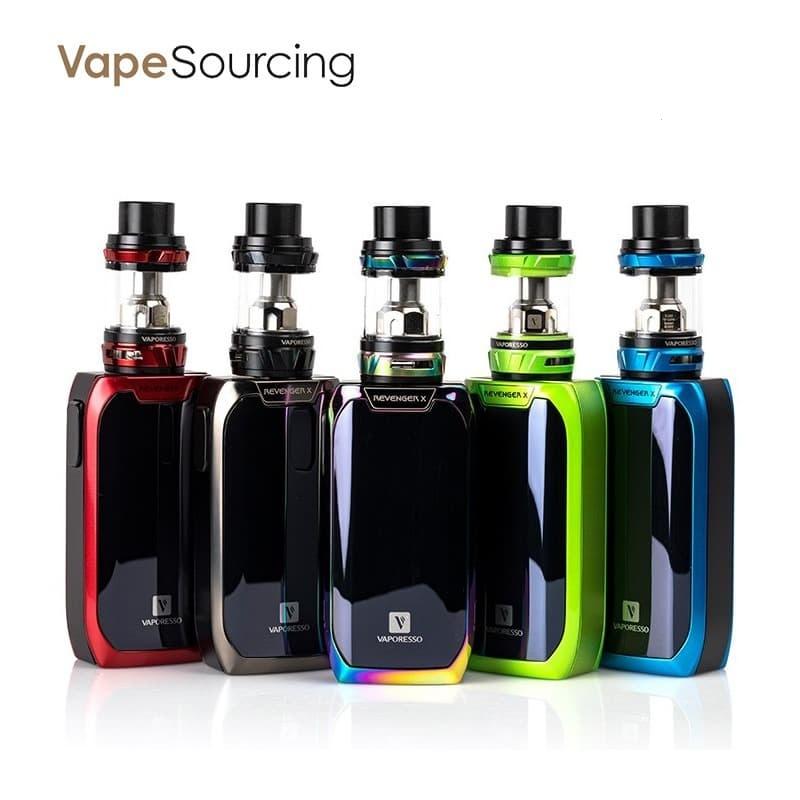
e-cigarety typically consist of a battery, a heating element (coil), and a reservoir for a liquid containing propylene glycol, vegetable glycerin, flavorings, and often nicotine. When activated, the device heats the liquid to produce an aerosol inhaled by the user. From a harm-reduction standpoint, removing combustion reduces many toxins, yet it does not eliminate all potential harms. Understanding device types — cig-a-likes, pod systems, mods — and their nicotine delivery profiles is essential for assessing risk and potential benefit.
Potential benefits: harm reduction and smoking cessation
- Reduced toxicant exposure: For smokers who completely switch from cigarettes to e-cigarety, laboratory studies and some clinical data suggest substantial reductions in exposure to some harmful chemicals.
- Higher success for some quit attempts: Randomized trials and observational studies indicate that certain vaping products can help some people quit or reduce smoking when combined with behavioral support.
- Immediate user acceptance: Many adult smokers report that flavors, throat hit, and nicotine delivery from modern devices improve acceptability and adherence compared with some traditional nicotine replacement therapies.
Risks and uncertainties to weigh
- Nicotine dependence and dual use: Using e-cigarety may simply maintain nicotine dependence or, in some cases, encourage dual use of cigarettes and vaping products, reducing the potential for net health benefits.
- Youth initiation: The appeal of flavored products has been associated with increased experimentation among adolescents. From a population health perspective, youth uptake undermines any public-health argument that these devices are a key to healthy living.
- Unknown long-term effects: While short- and medium-term studies suggest lower toxicant exposure than smoking, long-term respiratory and cardiovascular outcomes are incompletely understood.
- Product safety and quality: Device malfunctions, poor manufacturing, or contaminated liquids can cause acute injuries or illness.
How to evaluate the evidence
When deciding whether an individual use of e-cigarety could fit into a plan to improve health, consider three dimensions: individual risk profile (age, pregnancy, comorbidities), current smoking behavior (daily heavy smoker vs. occasional user), and goals (complete cessation vs. reduction). High-quality evidence includes randomized controlled trials comparing vaping with nicotine replacement therapy, longitudinal cohort studies tracking health outcomes, and toxicological analyses of aerosols. A cautious interpretation of the data is recommended: while some strong signals point to harm reduction potential for adult smokers, they do not translate into a blanket public-health endorsement for all populations.
Practical guidance for smokers considering a switch
For adults who currently smoke and are struggling to quit with conventional methods, e-cigarety might be considered as part of a structured quit plan. Best practices include seeking behavioral support, choosing regulated products with transparent ingredient lists, monitoring nicotine dose to step down over time, and avoiding dual use. Clinicians should document the rationale for recommending such devices and ensure patients are aware of the uncertainties. In many clinical contexts, careful supervised use as a transitional tool may be more defensible than unconstrained, long-term vaping.

Harm-reduction strategies
Practical steps to reduce harm include: preferring devices from accountable manufacturers, avoiding homemade or black-market e-liquids, using lower nicotine concentrations progressively, and committing to a timeline for tapering off nicotine entirely. Emphasizing environmental factors — avoiding indoor use around nonconsenting family members — also aligns with healthy-living values. These pragmatic measures can help align temporary vaping use with the broader objective of pursuing a key to healthy behaviors such as improved lung function, reduced toxicant intake, and cessation of combustible tobacco.
Tailoring advice by population
Different populations require different considerations. Pregnant people and youth should be advised against using e-cigarety due to nicotine-related developmental risks. Adults with cardiovascular disease should consult clinicians because nicotine has hemodynamic effects that may not be safe in all cases. For heavily dependent smokers who have failed other therapies, the relative benefits of switching to vaping may outweigh potential risks; for occasional or light smokers, the calculus looks much different.
Device selection and nicotine dosing
Matching device type and nicotine strength to the smoker’s needs can increase the likelihood of successful substitution. Pod systems with nicotine salts often deliver nicotine rapidly and may benefit heavy smokers trying to avoid cigarettes. However, rapid delivery can increase dependence, so a plan to reduce nicotine concentration is important. Labels that clearly state nicotine concentration, ingredients, and batch testing provide greater consumer confidence.
Behavioral supports that increase success
Combining e-cigarety with counseling, digital quit tools, or structured programs improves quit rates compared with unassisted attempts. Behavioral strategies include setting quit dates, gradual tapering, identifying triggers, using substitution rituals (hand-to-mouth actions), and leveraging peer or professional support. In clinical settings, measuring carbon monoxide or exhaled breath markers can verify cigarette abstinence and demonstrate progress.
Regulation, public health policy, and population impact
Policy choices matter. Strong regulation of product standards, age restrictions, marketing practices, and flavor availability can reduce youth uptake while preserving access for adult smokers. Some jurisdictions have adopted flavor bans or restrictions to curb adolescent appeal; others have implemented tight manufacturing and distribution controls to keep unsafe products out of circulation. Policymakers must weigh the potential of e-cigarety to serve as a key to healthy shifts for adults against the risk of increasing nicotine initiation among non-smokers.
Addressing common myths and misunderstandings
- Myth: Vaping is harmless. Reality:
 While often less harmful than combustible tobacco, vaping is not risk-free.
 - Myth: Flavors are trivial. Reality: Flavors significantly affect uptake and sustained use among youth and some adults; they influence public-health policy debates.
- Myth: All e-liquids are equal. Reality: Product quality varies widely; reputable suppliers and tested batches are important.
Steps for clinicians and health educators
Health professionals should ask patients about vaping, provide balanced information about risk and uncertainty, and document individualized harm-reduction plans. For adult smokers who cannot or will not quit with first-line treatments, jointly developing a supervised reduction or switch strategy may be a pragmatic option. Education campaigns should emphasize that complete cessation of nicotine remains the optimal health goal while recognizing transitional approaches.
Communication tips
Use clear language: avoid absolutes. Frame discussions around goals (quit vs. reduce), timelines, and risks. Encourage evidence-based resources and discourage use of unregulated products. When discussing e-cigarety, place them in a broader context of lifestyle changes that contribute to well-being, such as improved diet, exercise, stress management, and preventive care — elements that together can form a true key to healthy living.
Maintenance, safety, and harm minimization
Regular device maintenance reduces the risk of malfunctions. Safety tips include proper battery handling, avoiding overcharging, choosing quality chargers, and inspecting pods and coils for signs of damage. Store liquids safely away from children and pets; nicotine can be toxic if ingested in significant quantities. If switching to vaping, tracking progress and committing to a plan to reduce nicotine concentration over time supports long-term health goals.
Real-world scenarios and decision pathways
Scenario A: A 52-year-old lifelong smoker with COPD has tried NRT and counseling without success. For this individual, switching completely to a regulated e-cigarety product, with clinical monitoring and a plan to taper nicotine, might reduce inhalation exposure to combustion products and improve respiratory symptoms — representing a potential step toward healthier outcomes. Scenario B: A 17-year-old who has never smoked cigarettes tries flavored pods and becomes nicotine-dependent. For youth, vaping is not a key to healthy living and public-health measures should prioritize prevention and cessation.
How to assess progress
Metrics for success include smoking abstinence verified by biomarkers (e.g., exhaled CO), reduced cigarette consumption, improved respiratory symptoms, and ultimately, cessation of all nicotine products. Regular follow-ups, behavioral reinforcement, and readiness to adjust strategies are important. If vaping does not lead to reduced cigarette use within a defined timeframe, clinicians should reassess the plan and consider alternative cessation supports.
Emerging science and research priorities
Key research needs include long-term cohort studies on respiratory and cardiovascular outcomes, population-level monitoring of youth initiation trends, standardized toxicological testing of aerosols, and trials comparing vaping-assisted cessation with other pharmacotherapies. Policymakers and funders should prioritize studies that clarify the net public-health impact of e-cigarety under different regulatory frameworks.
Ethical and societal considerations
Balancing individual autonomy, harm reduction for current smokers, and protection of young people poses ethical dilemmas. Equity considerations are also relevant: disadvantaged groups with high smoking prevalence may disproportionally benefit from access to effective cessation tools, but they may also face higher risks from unregulated products and targeted marketing.
Practical checklist for individuals contemplating a switch
- Confirm motivation and set a quit-or-reduction goal.
- Consult a healthcare professional if you have underlying health conditions or are pregnant.
- Choose regulated products and verify ingredient transparency.
- Plan behavioral support and set a nicotine taper timeline.
- Monitor progress and adjust the plan if dual use persists.
- Commit to discontinuing vaping when nicotine-free or fully cigarette-free maintenance is achieved.
In this way, e-cigarety may function as one component of a broader toolkit aimed at helping smokers move toward outcomes that matter for wellbeing — but they should rarely be viewed as a lone key to healthy change without additional supports and safeguards.
Summary: practical conclusions
For adult smokers who cannot quit with proven treatments, thoughtfully chosen and supervised use of e-cigarety appears to offer a pragmatic path to reducing exposure to certain toxicants and may support smoking cessation for some. However, significant caveats remain: youth protection, long-term safety, dual use, product quality, and nicotine addiction must be actively managed. The most defensible public-health stance emphasizes regulated access for adult smokers, rigorous monitoring, and robust prevention efforts aimed at adolescents. Remember, the ultimate aim is not vaping itself but the healthier life outcomes that may follow when combustible tobacco is abandoned and overall health-promoting behaviors are adopted.
Resources and further reading
This guide was written to help readers assess whether integrating e-cigarety into a quit plan could represent a pragmatic step toward better health while emphasizing that the presence of vapor does not, on its own, guarantee that vaping is a key to healthy living for everyone.
FAQ
Is vaping safer than smoking?
Short answer: For adult smokers who switch completely, vaping often reduces exposure to many harmful combustion by-products, which may translate to lower risk for some smoking-related diseases. However, it is not risk-free and long-term effects remain incompletely known.
Can e-cigarety help me quit?
They can help some smokers quit, especially when combined with behavioral support. Success varies by individual, product, and support system. A plan and medical advice improve the odds.
Are they a key to healthy living for everyone?
No. These devices may be one helpful tool for certain adult smokers, but they are not a universal health solution. For non-smokers and young people, vaping poses avoidable risks and should be discouraged.
What precautions should parents take?
Keep devices and liquids out of reach, discuss risks with children and teens, and support policies that prevent youth-targeted marketing and flavor exposure.