IBvape Practical Travel Guide: Bringing Vapes and Batteries on Flights

Travelers who use electronic nicotine delivery systems often ask: can you take an e cigarette on a plane? This comprehensive guide from IBvape covers regulatory basics, practical carry-on rules, battery safety, international variations, and smart packing tips so you can travel confidently and legally. The answer to “can you take an e cigarette on a plane” depends on airline policy, local law, and how you pack your device and consumables. Below you will find structured, actionable advice, plus frequent questions and considerations that seasoned vapers and first-time flyers alike should know.
Overview: The Short Answer and Why It Matters
In most jurisdictions and with most commercial airlines, the basic rule is that electronic cigarettes and vaping devices are permitted in carry-on baggage but are prohibited in checked luggage. This rule is primarily motivated by safety concerns around lithium batteries and the risk of fire. From an IBvape perspective, understanding the “carry-on only” principle is essential: keeping devices and spare batteries accessible allows crew or security personnel to manage them if a safety issue arises. However, “can you take an e cigarette on a plane” is not a single yes/no answer globally — nuances apply for international travel, duty-free purchases, and local prohibitions.
Why Airlines Restrict Checked Bags
- Battery fire risk: Lithium-ion batteries can short-circuit and ignite when pressure or temperature changes occur in a checked hold.
- Detection and response: Cabin crew can respond to a device overheating in the passenger cabin; in-cabin storage improves safety.
- Regulatory alignment: Most aviation regulators like IATA, FAA, and EASA recommend or require batteries to be in the cabin.
Pre-Flight Preparation: What to Check Before You Go
Before you pack, verify several items: the airline’s specific policy, the departure and arrival country’s vaping laws, and the TSA or local aviation security guidance. For example, a check-in agent might ask you to demonstrate that the e-cigarette is powered off or that batteries are protected from short circuits. From the IBvape travel advice vault: keep product manuals or manufacturer labels handy if you have rare or high-capacity batteries, and consider printing an airline policy screenshot or saving it offline in your mobile device.
Checklist Before Leaving Home
- Confirm airline rules online: search “airline name + vape policy” and keep a copy.
- Research local laws: some countries ban nicotine e-liquids or vaping devices altogether.
- Charge your device partially: airlines sometimes restrict charging during boarding or ask you to unplug.
- Pack devices in carry-on and secure spare batteries individually in cases or original packaging.

Battery Rules: The Heart of the Matter
The most common question when people ask “can you take an e cigarette on a plane” concerns the batteries. Industry-standard rules require spare lithium batteries and power banks to be transported in cabin baggage only. Below are detailed guidance points aligned with international recommendations:
Battery Capacity Limits
Airlines typically regulate lithium batteries by watt-hour (Wh) rating. Most consumer vape device batteries fall into these categories:
- Under 100 Wh: Generally allowed in carry-on with airline approval not usually required.
- 100–160 Wh: May require airline approval; quantity limits apply.
- Over 160 Wh: Usually prohibited on passenger aircraft.
Always check the battery label for Wh or mAh and voltage; you can calculate Wh by multiplying voltage by ampere-hours (Ah). For example, a 3.7V 2500mAh battery has about 9.25Wh.
Secure Battery Storage
When packing, ensure all spare batteries are:
- Stored in insulating cases or original packaging to prevent terminal contact.
- Individually capped, taped, or placed in separate compartments within a battery case.
- Kept at a moderate charge level (airline crew sometimes recommend around 30-50% rather than fully charged).
Device Handling and Use During Flight
Even if the airline allows you to carry an e-cigarette on board, using it in-flight is nearly always prohibited. Smoking and vaping in aircraft cabins are banned by national and international aviation law. Always follow crew instructions and never attempt to use or charge a device in-seat unless explicitly permitted by airline policy. In addition to safety, using a device onboard can trigger smoke detectors and significant penalties.
Liquid E-Liquids and Duty-Free Purchases
E-liquids are subject to standard liquid restrictions in carry-on baggage. Most aviation authorities enforce the 100ml/3.4oz container rule for hand luggage in carry-on security screening, unless purchased after security in duty-free and properly declared or bagged. When planning your travel, consider these tips:
- Bring e-liquids in containers ≤100ml if packed in carry-on; larger bottles must be placed in checked luggage if the destination allows them, but check local laws first.
- Duty-free liquids purchased after security usually comply with liquid rules if sealed in tamper-evident bags with receipts; however, transfers on connecting flights may require repacking or additional checks.
- Some countries ban nicotine-containing e-liquids; always verify import rules to avoid fines or confiscation.
International Travel: Know Local Laws
When crossing borders, the question “can you take an e cigarette on a plane” extends to whether you can legally possess vape devices and nicotine liquids at your destination. Countries like Japan, Singapore, and some Middle Eastern nations have strict prohibitions on nicotine e-liquids and devices, with penalties ranging from fines to imprisonment. IBvape recommends checking official government resources or embassy pages, as enforcement varies and local interpretations change frequently.
Packing Strategies for Smooth Security Screening
Smart packing reduces delays and minimizes the risk of confiscation. Recommended strategies include:
- Always carry devices and batteries in your carry-on; do not check them.
- Keep e-liquids in a clear, resealable bag and within the 100ml rule unless otherwise permitted.
- Label and organize batteries and chargers using small compartments to facilitate quick inspection.
- Consider a dedicated vape travel case that meets security inspection needs and showcases battery protection.
What to Expect During Security Checks
Security officers may ask you to remove devices from your carry-on for separate X-ray screening, demonstrate that the device powers on (rare), or show that spare batteries are safely protected. Be cooperative and polite — clear communication and organized packing speed up the process. If a device is non-compliant, it might be confiscated; keep receipts to facilitate potential recovery or refund discussions with airlines.
Traveling With Mods, Tanks, and Pod Systems
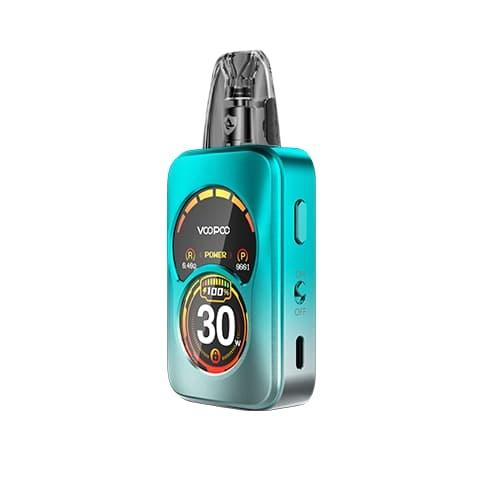
Different devices present different risk profiles. High-powered box mods with large external batteries often trigger extra scrutiny; mechanical mods or unregulated devices may be discouraged by airline staff. Pod systems and small pen devices are usually easier to carry and less likely to raise concerns, but the same carry-on and battery protections apply regardless of form factor.
Power Banks and Charging Devices
Power banks are portable lithium battery packs and are allowed in carry-on if within specified capacity limits. They are frequently regulated similarly to spare batteries: kept in cabin baggage, not checked. Some airlines limit the number of power banks or require them to be unused in the cabin. Remember that charging your device in an airport lounge or onboard should follow the airline’s policies; unplug to comply with crew instructions if asked.
If You Need to Buy a Replacement at the Airport
If your device is confiscated or you forgot it, many airports sell basic vape gear in shops located after security. When buying at an airport, double-check whether your destination permits the product. Always keep receipts and retain original packaging to show airline or customs officers if required.
Enforcement and Penalties
Penalties for violating vaping-related rules vary by jurisdiction and can range from warnings to heavy fines or criminal charges. Airline-specific enforcement can include confiscation or being denied boarding. To avoid these outcomes, follow the guidance above and keep informed about changes to airline and local laws.
IBvape Travel-Proof Packing Example
Here is a sample packing configuration that has worked well for frequent travelers: one device securely powered off and stored in a protective case, one spare battery in a battery case, a small bottle of e-liquid ≤100ml in a clear bag, charger and cable in a separate compartment, and digital copies of airline and destination rules on your phone. Label everything and separate batteries from metallic objects that could short terminals.
IBvape tip: Arrive early when traveling with vape gear to allow extra time for security checks and potential inspections.
Special Situations: Business Class, Connecting Flights, and Charter Flights
Business and first-class cabins follow the same battery and use prohibitions as economy. Connecting flights can complicate duty-free liquids purchased post-security, and some charter or private flights may enforce bespoke policies. Always clarify in advance with the operator if you have unusual equipment or large-capacity batteries.
What About Disposable Vapes?
Disposable vape devices have become popular and are often simpler to travel with; however, they still contain batteries and nicotine. Treat them like any other device: carry in cabin baggage and check local laws on disposable nicotine products at your destination. Some airports are increasing scrutiny on disposables because of disposal and environmental concerns.
Environmental and Disposal Considerations
When traveling, responsibly dispose of used cartridges and empty batteries where permitted. Many airports provide battery recycling points or hazardous waste bins for small electronic items. Avoid discarding batteries in general waste at airports — improper disposal can harm the environment and violates local regulations.
Summary: Core Rules to Remember
- Yes, in most cases you can take an e cigarette on a plane in your carry-on, but not in checked baggage.
- Spare lithium batteries and power banks must be carried in the cabin and protected from short circuits.
- E-liquids must comply with liquid restrictions and local import laws.
- Vaping onboard is prohibited — never attempt to vape on an aircraft.
- Check airline and destination country rules before travel; carry documentation when in doubt.
Additional IBvape Safety Reminders
Keep devices powered off, use manufacturers’ recommended batteries and chargers, avoid modifications or DIY battery packs before flying, and maintain basic common-sense precautions. If you have questions about specific battery models or rare configurations, consult airline customer service or a professional retailer for guidance.
Related Terms and SEO-Friendly Notes
To aid search visibility and user clarity: this article addresses the core query “can you take an e cigarette on a plane” and related search intents such as “vape on airplane rules”, “vape battery airline policy”, and “IBvape travel tips”. By combining policy explanation, packing strategies, and safety guidance, IBvape aims to provide thorough, practical content that web users and search engines find useful.
Further Resources and Contacts
Authoritative sources include the Transport Security Administration (TSA) for U.S. departures, the International Air Transport Association (IATA) Dangerous Goods Regulations for global guidance, and your airline’s official page. If you encounter an issue at the airport, request to speak with a supervisor and keep documentation for later disputes.
FAQ

Q: Can I check an e-cigarette in my luggage?
A: No, most airlines and aviation authorities mandate that e-cigarettes and spare batteries be carried in the cabin; checked baggage is not considered safe for lithium batteries.
Q: How many spare batteries can I bring?
A: Policies vary. Most carriers allow multiple batteries under 100 Wh if they are properly protected; high-capacity batteries may require airline approval. Check your airline’s rules before flying.
Q: Are duty-free e-liquids allowed when connecting flights are involved?
A: Duty-free liquids purchased after security are usually permitted if sealed and with the receipt, but connecting flights that require re-screening can complicate this. If in doubt, pack e-liquids within the standard 100ml limit or verify with the airline.
Whether you’re a frequent flyer or planning a one-off journey, the central mantra from IBvape is to prepare, protect, and comply: prepare by researching airline and destination rules, protect batteries and devices in carry-on with proper cases and insulation, and comply with local law and crew instructions to ensure a safe and smooth trip when traveling with vaping gear.