Navigating the Central European vaping scene and global regulatory ripples
If you are researching a reliable source for devices, liquids, and community knowledge, then searching for a localized hub such as a český vape shop can be a productive first step. This long-form guide explores practical buyer considerations, product categories, quality signals, after-sales support, and how international policy debates like is e cigarette ban in india influence consumers, manufacturers, and cross-border commerce. The tone is practical, evidence-aware, and oriented toward readers who want both shopping tips and a clear understanding of regulatory trends.
Why a local hub matters: the case for using a český vape shop
Purchasing through a regional or national retailer such as a český vape shop offers several advantages: language support, local warranties, easier returns, and compliance with EU product and chemical safety rules. Buyers often underestimate the convenience of having premixed e-liquids labeled in the local language, clear nicotine strength options, and staff who can explain device maintenance and coil compatibility. In a market where new devices and refill formulas appear rapidly, the customer service element is a strong differentiator.
Key product categories to look for
- Starter kits — ideal for those new to vaping, often offering regulated battery safety and clear instructions.
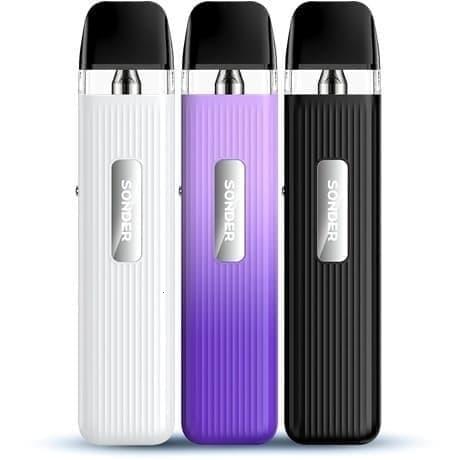
- Pod systems — compact, low-maintenance choices popular for nicotine salt liquids.
- Mods and sub-ohm devices — for advanced users seeking greater vapor production and customization.
- E-liquids — flavor profiles, vegetable glycerin (VG)/propylene glycol (PG) ratios, and nicotine salts versus freebase nicotine.
- Accessories — coils, batteries, chargers, glass replacements, and maintenance tools.
When a český vape shop lists certificates, lab test summaries for e-liquid ingredients, or coil resistances, those are positive trust signals. Always look for transparent ingredient lists and contact information for customer support.
Quality and safety checks: what to verify before buying
- CE or relevant electronics safety markings for regulated devices.
- Manufacturer contact details and clear warranty terms.
- Third-party lab testing for e-liquid flavor compounds and contaminants.
- Battery safety tips and recommendations for genuine batteries and chargers.
In addition to product-level checks, community reviews and independent testing blogs can flag counterfeit or low-quality items. A reputable český vape shop will engage in consumer education and share maintenance advice to prolong device lifespan and reduce safety incidents.
Shopping tips for cross-border and online purchases
Buying from an EU-based retailer such as a český vape shop can be advantageous for EU residents due to VAT treatment, predictable shipping, and local consumer protections. However, international buyers should verify shipping policies, customs duties, and local laws. If you live outside the EU, ensure the retailer explicitly supports shipping to your country before completing an order.
Pro tip: keep serial numbers, order confirmations, and correspondence. These help with warranty claims and any potential disputes over returns or counterfeit concerns.
How ongoing regulation shapes product availability and labeling
Regulatory frameworks—both regional and national—affect what a typical český vape shop can legally sell. For example, EU rules influence nicotine concentration limits, child-resistant packaging, and mandatory health warnings. When rules change, product portfolios adapt rapidly: some flavors or bottle sizes may be withdrawn while new compliant designs appear to meet legal requirements. Retailers who stay ahead of compliance often provide detailed explanations about changes and offer alternatives rather than leaving customers uninformed.
Global policy developments: understanding “is e cigarette ban in india” and its implications
The question is e cigarette ban in india encapsulates a broader uncertainty many vapers face: how do national-level prohibitions or restrictive policies affect access, safety, and market behavior? While this phrasing is intentionally concise for search optimization, the policy landscape is complex and evolving. Below, we unpack the legal context, enforcement patterns, health policy arguments, and practical outcomes for vapers.
Background and legal timeline
India has seen intense debate over e-cigarettes for several years. Key events include public health concerns raised by policymakers, court challenges, and industry lobbying. At certain points, the question is e cigarette ban in india was framed by authorities as a necessary public health response to youth uptake and perceived unknown long-term harms. The actual status of restrictive measures can vary by jurisdiction and over time, including national bans, import prohibitions, or retail restrictions. Therefore, vapers and vendors need to check current government notices and legal rulings to understand up-to-date enforcement.
Why governments consider restrictions
Regulatory motivations often include:
- Protecting minors from nicotine addiction.
- Controlling unregulated products entering the market with unknown contaminants.
- Responding to public pressure and precautionary health principles.
These drivers inform whether a jurisdiction adopts a complete ban, partial restrictions, or regulated market approaches.
Practical effects of bans on consumers and markets
If a jurisdiction implements or enforces strong limitations, several outcomes are common:
- Retail scarcity: local shops cannot legally sell e-cigarette products, leading to closed storefronts and reduced consumer choice.
- Informal or grey markets: some consumers may turn to online marketplaces, cross-border imports, or informal sellers, which can increase safety risks due to unregulated products.
- Health trade-offs: a ban might reduce youth access but also limit adult smokers’ access to less harmful alternatives, depending on enforcement and availability of cessation programs.
When discussing is e cigarette ban in india, it’s important to weigh both intended public health benefits and unintended side effects such as product adulteration and black-market growth.
Enforcement realities and legal challenges
Even with formal bans in place, enforcement capacity varies widely. Customs agencies may intercept imports, but online sales and private courier services complicate detection. Legal challenges by trade associations or civil liberty groups can alter enforcement timelines. From a consumer vantage point, understanding enforcement intensity is crucial: regions with sporadic enforcement may see continued availability through informal channels, but with elevated risk.
Public health perspective and harm reduction debates
Healthcare professionals and public health agencies are frequently divided on the best policy response. Some argue that restricting e-cigarettes reduces nicotine initiation among youth, while others emphasize the potential for e-cigarettes to serve as a less harmful alternative for established adult smokers. The policy question encapsulated by is e cigarette ban in india therefore demands not only legal analysis but also epidemiological data on smoking prevalence, youth vaping trends, and cessation outcomes.
Supply chain and global trade impacts
When large markets impose restrictions or bans, manufacturers and distributors reassess market strategies. A český vape shop that imports specialized coils or liquids may face higher costs or limited supply if manufacturers exit certain markets or alter distribution routes. Conversely, strict measures in one large market can redirect trade flows and innovate packaging and formulation to comply with new rules elsewhere. These dynamics influence pricing, availability, and the speed at which new product innovations reach consumers.
Practical advice for vapers concerned about bans
Whether you’re shopping in a local EU shop or monitoring developments in other countries, the following strategies help reduce risk and maintain access to safer products:
- Prioritize trustworthy vendors: choose retailers that provide traceability, testing information, and clear return policies—examples include reputable český vape shop operators.
- Keep informed about legal updates: subscribe to reliable regulatory trackers and official government websites rather than relying solely on social media rumors.
- Maintain documentation: keep invoices and product information—if you legitimately purchased items before a rule change, you may retain rights or be eligible for returns.
- Avoid grey-market products: illicitly imported liquids or counterfeit hardware increase safety risks due to unknown ingredients and poor manufacturing standards.
- Consider cessation resources: if access changes dramatically, explore licensed cessation aids and professional support for quitting nicotine altogether.
How retailers can adapt responsibly
Reputable sellers, including a conscientious český vape shop, can adopt several best practices: maintain compliance documentation on product pages, train staff on legal obligations, offer non-nicotine alternatives where permitted, and engage with public health stakeholders to communicate risk-reduction information. Clear, accurate content helps consumers make informed decisions and reduces the appeal of unregulated substitutes.
SEO-friendly content and consumer education
From a communication standpoint, retailers and information sites that address queries like is e cigarette ban in india should publish evidence-based, localized guidance. SEO best practices include using clear headings (
,
,
), structured lists, keyword-wrapped elements such as and , and authoritative references when available. This not only improves discoverability but also helps users quickly find accurate answers to pressing legal and safety questions.
Scenario planning: three plausible futures and what they mean for consumers
1) Tight national bans with strong enforcement: Retailers withdraw, legal imports cease, and black-market activity rises. Consumers may find higher-risk products in informal channels. Public health outcomes depend largely on complementary cessation support.
2) Regulated market with consumer protections: Products remain available under strict testing, labeling, and access controls (e.g., age verification). A responsible český vape shop model thrives by emphasizing safety and compliance.
3) Hybrid approaches and regional variation: Mixed policies (partial bans, city-level restrictions, or limited product types) create a patchwork that complicates distribution but allows for policy learning and tailored harm-reduction strategies.
Conclusion: informed choices in a shifting policy environment
Whether you’re researching a carefully curated European outlet or following headlines about whether is e cigarette ban in india applies to you, the most pragmatic stance is to prioritize safety, traceability, and accurate legal information. Trusted retailers, transparent testing, and community education reduce harm while preserving consumer rights. A local provider—exemplified by the český vape shop concept—can be a valuable partner in navigating product selection and compliance nuances.
Further resources and research suggestions
To stay current: follow official government websites for legal notices, consult peer-reviewed public health literature for evidence on harms and benefits, and use independent testing labs’ reports before trusting novel ingredients or suppliers.
FAQ
Q1: Can I legally import e-cigarette products if a national ban is in place?
Answer: Import rules depend on national law and customs enforcement. Even small personal imports can be intercepted; check current official guidance before attempting to import.
Q2: How can a český vape shop reassure customers about safety?
Answer: By publishing lab test results, supplying manufacturer certifications, offering clear warranty terms, and training staff in safe-handling and aging advice for batteries and coils.
Q3: If “is e cigarette ban in india” is actively discussed, what immediate steps can vapers take?
Answer: Verify legal updates, avoid bulk buying that could contravene laws, seek licensed local cessation support if needed, and refrain from purchasing unregulated products online.
Note: This article provides general informational guidance and does not constitute legal or medical advice. Always consult official sources for legal obligations and a healthcare professional for smoking cessation support.
), structured lists, keyword-wrapped elements such as and , and authoritative references when available. This not only improves discoverability but also helps users quickly find accurate answers to pressing legal and safety questions.
Scenario planning: three plausible futures and what they mean for consumers
1) Tight national bans with strong enforcement: Retailers withdraw, legal imports cease, and black-market activity rises. Consumers may find higher-risk products in informal channels. Public health outcomes depend largely on complementary cessation support.
2) Regulated market with consumer protections: Products remain available under strict testing, labeling, and access controls (e.g., age verification). A responsible český vape shop model thrives by emphasizing safety and compliance.
3) Hybrid approaches and regional variation: Mixed policies (partial bans, city-level restrictions, or limited product types) create a patchwork that complicates distribution but allows for policy learning and tailored harm-reduction strategies.
Conclusion: informed choices in a shifting policy environment
Whether you’re researching a carefully curated European outlet or following headlines about whether is e cigarette ban in india applies to you, the most pragmatic stance is to prioritize safety, traceability, and accurate legal information. Trusted retailers, transparent testing, and community education reduce harm while preserving consumer rights. A local provider—exemplified by the český vape shop concept—can be a valuable partner in navigating product selection and compliance nuances.
Further resources and research suggestions
To stay current: follow official government websites for legal notices, consult peer-reviewed public health literature for evidence on harms and benefits, and use independent testing labs’ reports before trusting novel ingredients or suppliers.
FAQ
Q1: Can I legally import e-cigarette products if a national ban is in place?
Answer: Import rules depend on national law and customs enforcement. Even small personal imports can be intercepted; check current official guidance before attempting to import.
Q2: How can a český vape shop reassure customers about safety?
Answer: By publishing lab test results, supplying manufacturer certifications, offering clear warranty terms, and training staff in safe-handling and aging advice for batteries and coils.
Q3: If “is e cigarette ban in india” is actively discussed, what immediate steps can vapers take?
Answer: Verify legal updates, avoid bulk buying that could contravene laws, seek licensed local cessation support if needed, and refrain from purchasing unregulated products online.
Note: This article provides general informational guidance and does not constitute legal or medical advice. Always consult official sources for legal obligations and a healthcare professional for smoking cessation support.
2) Regulated market with consumer protections: Products remain available under strict testing, labeling, and access controls (e.g., age verification). A responsible český vape shop model thrives by emphasizing safety and compliance.
3) Hybrid approaches and regional variation: Mixed policies (partial bans, city-level restrictions, or limited product types) create a patchwork that complicates distribution but allows for policy learning and tailored harm-reduction strategies.
FAQ
Answer: Import rules depend on national law and customs enforcement. Even small personal imports can be intercepted; check current official guidance before attempting to import.
Answer: By publishing lab test results, supplying manufacturer certifications, offering clear warranty terms, and training staff in safe-handling and aging advice for batteries and coils.
Answer: Verify legal updates, avoid bulk buying that could contravene laws, seek licensed local cessation support if needed, and refrain from purchasing unregulated products online.