Practical Safety Guidance for IBVAPE Users and Battery Risk Reduction
This comprehensive consumer guide is crafted for vapers who want to reduce the risk of an electronic cigarette battery explosion while continuing to enjoy devices from trusted brands like IBVAPE. The content below focuses on realistic, evidence-based precautions, everyday handling habits, storage and charging practices, and emergency steps to follow if something goes wrong. It also balances technical explanations with plain-language recommendations so that both new users and experienced enthusiasts can benefit.
Why batteries matter: the science behind the hazard
Most modern vaping devices use lithium-based cells because they are energy-dense and compact. Unfortunately, that chemistry can lead to thermal runaway if cells are abused, punctured, overheated, or charged incorrectly. Understanding how and why thermal events occur helps users prevent an electronic cigarette battery explosion. Key causes include physical damage, improper charger usage, mixing high-drain devices with low-quality cells, and exposure to extreme temperatures. IBVAPE users should pay particular attention to matching batteries to device specifications and following manufacturer guidance.
Common failure modes
- Physical damage (cracks, dents, or torn wrappers)
- Short circuits from loose coins, keys, or conductive objects
- Overcharging or using the wrong charger that doesn’t cut off properly
- Using unprotected or counterfeit batteries that lack safety vents or consistent manufacturing quality
Practical handling and daily-use rules for IBVAPE owners
Simple habits dramatically lower risk. Make a checklist and integrate these behaviors into daily routines: keep spare batteries in protective cases; avoid pocketing loose cells with keys or coins; follow manufacturer limits for continuous power and coil resistance; and routinely inspect batteries for signs of wear. When you see dents or peeling wraps, take the battery out of service immediately and dispose of it properly at a battery recycling point.
Carry spare batteries in purpose-built plastic cases rather than in pockets, because accidental contact with metal objects is a leading cause of short circuits. If you ride a bike or commute, never leave batteries in direct sunlight or in a hot car; temperatures above recommended limits increase the chance of thermal runaway and an electronic cigarette battery explosion.
Charging: best practices and charger selection
Charging is one of the most critical steps for preventing failures. Prefer chargers with individual cell monitoring and automatic cutoff. Avoid cheap, generic chargers that promise speed at the expense of safety. IBVAPE device owners should consult the product manual for recommended charging rates and chemistries (for example, 18650, 20700, or specific integrated cells). If the device has built-in charging, use the official cable or an equivalent high-quality alternative and never leave charging batteries unattended for extended periods.
Charging do’s and don’ts
- Do use reputable chargers with overcharge protection.
- Do charge on a non-combustible surface away from flammable materials.
- Don’t fast-charge cells that are warm after use; allow them to cool first.
- Don’t mix old and new batteries in multi-cell configurations unless the device explicitly supports cell balancing.
Selecting compatible batteries and devices
Choosing batteries that match intended device power and coil resistance is essential. Using a high-discharge cell in a device that demands it is not just about peak performance; it’s about safety. Avoid high-drain vaping setups on batteries that are not rated for the current draw. When in doubt, pick the conservative option: slightly higher-rated cells provide margin and reduce stress. Many IBVAPE models list compatible battery types in their documentation.
Also consider integrated battery designs: some modern IBVAPE products use internal batteries with manufacturer-managed charging and protections. While these can be safer by design, they still require users to follow charging and storage guidelines and to recognize end-of-life signals like rapid battery depletion or swelling.
Maintenance, inspection, and when to retire a battery
Regular inspection is a low-effort way to improve safety. Look for dents, discoloration, unusual heat during use, or a bulging case. If you spot any of these signs, remove the battery from service immediately. Replace torn wraps or use professionals to re-wrap cells, but recognize that cosmetic fixes do not restore cells damaged internally. Retire suspect cells and recycle them at appropriate centers.
Signs that a battery should be retired
- Persistent overheating during normal use
- Visible deformation or swelling
- Leaking electrolyte or unusual odors
- Voltage collapse under modest load
Storing batteries at a partial state of charge (around 30-60%) in a cool, dry place increases long-term health and reduces the risk of failure.
Preventing pocket spills, shorts, and mechanical damage
Everyday accidents cause many incidents. Use insulated cases for transportation, never carry loose batteries in the same pocket as metal objects, and avoid storing batteries bottom-up with exposed terminals facing conductive materials. When installing batteries into a device, follow polarity markings and ensure springs or contact plates are clean and undamaged. Small metal shavings or contact debris can create micro-shorts that lead to catastrophic failure.
Recognizing overheating and responding to an emergency
If a cell or device becomes uncomfortably hot, immediately stop using it and move it to a non-flammable surface. If you detect smoke, a hissing sound, or visible flames, evacuate the immediate area and contact emergency services if you cannot safely isolate the device. Do not attempt to carry a flaming battery through enclosed spaces; instead, place it in a fire-resistant container outdoors if it’s safe to do so. Most incidents are controlled by rapid isolation and keeping combustibles away.
Emergency steps in brief
- Stop using the device immediately.
- Move the item to a safe, fire-resistant surface if there is no immediate flame and it is safe to handle.
- If flames occur, keep a safe distance and call emergency responders; small lithium fires should not be doused with water unless instructed by professionals.
Industry standards and what to look for on labels
Quality manufacturers and responsible retailers provide clear specifications: cell chemistry, nominal capacity, maximum continuous discharge rating (expressed in amps), and certification marks. Look for cells and devices that conform to recognized safety standards and avoid unbranded or counterfeit items, which are implicated in a disproportionate number of electronic cigarette battery explosion cases. IBVAPE recommends buying from authorized dealers and verifying product authenticity when possible.
Traveling with batteries: airline rules and best approaches
Airlines and international regulators restrict the transport of lithium batteries in checked luggage. Carry spare batteries in your carry-on, inside protective cases, and ideally at a partial charge. Check your airline’s website before traveling because regulations and allowable watt-hours may vary. When going through security, present batteries in their protective cases and keep device manuals or documentation handy if requested.
Choosing accessories that enhance safety
Invest in quality sleeves, storage boxes, and smart chargers. A modest investment in a sturdy battery case and a recognized charger pays off when contrasted with the cost and personal risk of a failure. When buying third-party accessories, verify compatibility and read user reviews for real-world insights into durability and safety performance.
Community practices and shared responsibility
Peer-to-peer education reduces incidents. Share verified safety tips with new vapers, host informal workshops or online posts about safe battery handling, and avoid normalizing risky behavior such as purposely running batteries to zero or using damaged cells. Report suspicious products to forums or product safety authorities so that poor-quality suppliers can be flagged. The IBVAPE community benefits when users hold one another to high safety standards.
Myths, misconceptions, and clarifications

There are many persistent myths about battery safety. For instance, “if it’s warm it’s charging faster and that’s fine” is misleading—overheating is a major red flag. Another misconception is that all chargers are equal; in reality, charger intelligence and build quality vary widely. Avoid DIY solutions that bypass device protections; modern safety features are the result of industry standards and testing.
Quick fact checks
- False: Cheap batteries perform the same as quality cells. Reality: Manufacturing consistency and safety vents matter.
- False: You should always fully discharge batteries before charging. Reality: Partial charges are healthier for lithium cells.
IBVAPE users who follow manufacturer guidance and these common-sense precautions dramatically reduce their personal risk profile for an electronic cigarette battery explosion.
Safety is a combination of correct equipment, informed behavior, and situational awareness. Integrate the simple habits described above into a daily routine and make them second nature: inspect, store safely, charge properly, and retire worn cells.
Summary checklist for immediate action
- Inspect cells before every use.
- Use protective cases for transport.
- Charge with reputable chargers and avoid overnight unattended charging whenever possible.
- Store batteries cool and at partial charge for long-term storage.
- Dispose of or recycle damaged cells responsibly.
Keyword focus: the brand term IBVAPE and the safety phrase electronic cigarette battery explosion are central to this guide because they help users find relevant instructions quickly when searching for best practices related to vaping safety and battery risk management; search engines reward content that uses clear repeated signals, structured headings, and authoritative advice—exactly what this article provides.
Note: This material is educational and not a substitute for professional emergency services; always call local authorities if you encounter an uncontrolled fire or an unsafe situation.
FAQ
Q: How often should I inspect my batteries?
A: Inspect before each use for visible damage, and perform a deeper check monthly if you use multiple cells regularly. Replace any cells showing wear or abnormal behavior.
Q: Can I use any charger with my IBVAPE device?
A: Use chargers recommended by the device manufacturer. If using a third-party charger, choose a model with overcharge protection and individual cell monitoring.
Q: What if my battery gets warm during normal use?
A: Mild warmth can be normal; persistent or high heat is a sign to stop using the battery and inspect it. Warmth combined with swelling or vapor suggests the cell should be retired.
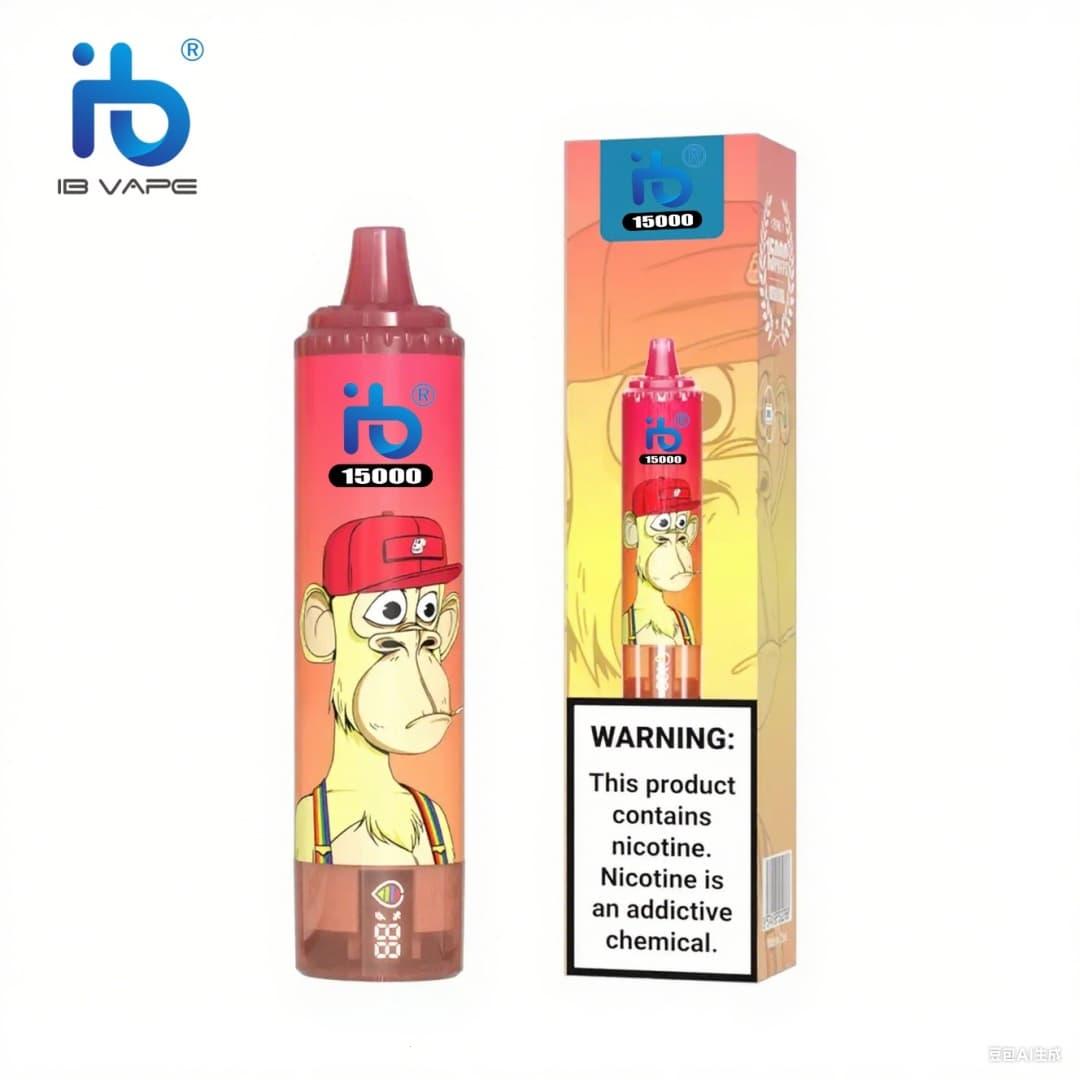 IBVAPE safety guide to preventing electronic cigarette battery explosion and how IBVAPE users stay safe” />