Understanding common vape misconceptions and evidence-based context
If you care about tobacco harm reduction, consumer safety, or simply want to be informed before you choose to inhale an aerosol, this extended guide is designed to help. Throughout this piece we will address widely repeated statements such as most e-cigarettes contain only water and flavoring. and explain what that claim often means in everyday conversation, why it’s misleading, and what the best available science says today. We will also use the key term vape repeatedly in clear, well-structured sections so readers and search engines can quickly locate the explanations they need.
Why language matters: myth versus simplified messaging
Short statements and soundbites like most e-cigarettes contain only water and flavoring. are easy to share, but when a complex product is reduced to a single line, important details get lost. The word vape has entered everyday language as both a noun and a verb, and it carries cultural, regulatory, and medical weight. In one-sentence myths, nuance disappears: liquids are rarely “only water and flavoring,” and the composition of e-liquids varies by product, region, regulation, and user preference. This section clarifies why a nuanced approach is essential.
What people hear versus what scientists measure
When consumers hear claims about what an e-cigarette contains, two types of information get mixed up: the observable sensory impression (it feels like water vapor) and the actual chemical composition (which may include propylene glycol, vegetable glycerin, nicotine, and flavor compounds). Saying an aerosol is “like water” is not the same as saying it is chemically identical to water. The common phrase most e-cigarettes contain only water and flavoring. conflates appearance and chemistry, and that confusion can affect risk perception, regulation, and behavior.
Core ingredients: a clear snapshot
- Base liquids: Most commercially available e-liquids contain a mixture of propylene glycol (PG) and vegetable glycerin (VG) rather than plain water. These are food-grade humectants with distinct physical properties that make aerosol generation possible.
- Nicotine: Not all, but many e-liquids contain nicotine at varying concentrations. Nicotine presence is a major determinant of addiction potential and regulatory status.
- Flavorings: A wide range of food-grade flavor compounds are used to create specific sensory experiences. These are typically dissolved in the PG/VG base.
- Additives and preservatives: Some products include additives for throat hit, pH adjustment, or shelf life extension; these are less visible to consumers but important for safety evaluations.
These details already show why the phrase most e-cigarettes contain only water and flavoring. fails as a complete description: e-liquids are engineered systems, not simple aqueous solutions.
How e-cigarette aerosols behave: appearance vs chemistry
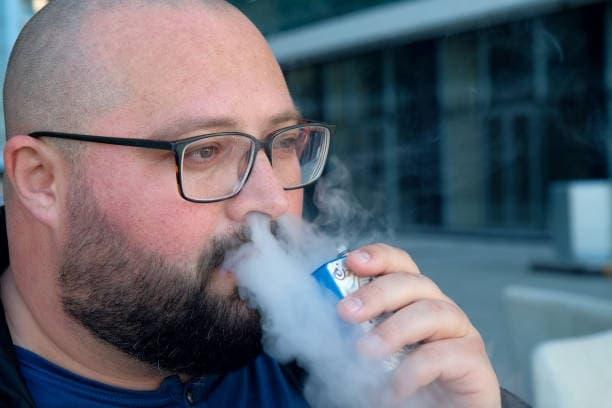
One of the reasons myths spread is the benign appearance of exhaled vapor: it often looks like a fog or steam and dissipates quickly. That visual similarity to steam leads to the intuitive but incorrect belief that the aerosol is just warm water droplets with harmless flavor. In reality, aerosols are suspensions of tiny droplets that can carry dissolved chemicals, including nicotine and flavoring compounds. The base liquids (PG and VG) evaporate differently than water, and under heat they can form thermal degradation products. Discussing the behavior of aerosol helps users understand exposure pathways and potential risks beyond the “looks harmless” logic.
What the major studies report
Peer-reviewed research generally finds that while e-cigarette aerosols contain fewer and lower concentrations of many toxicants than tobacco smoke, they are not chemically identical to air or water vapor. Several consistent findings across studies include:
- Reduced but non-zero levels of volatile organic compounds (VOCs) compared to combustible cigarettes.
- Presence of carbonyls (such as formaldehyde and acetaldehyde) under some conditions, especially at high temperatures or with faulty devices.
- Particle sizes that allow deep lung deposition in similar ranges to other inhaled aerosols.
These findings underline the need to move beyond the simplistic claim that most e-cigarettes contain only water and flavoring. and instead communicate graded, evidence-based risk assessments.
Regulatory context and product variation
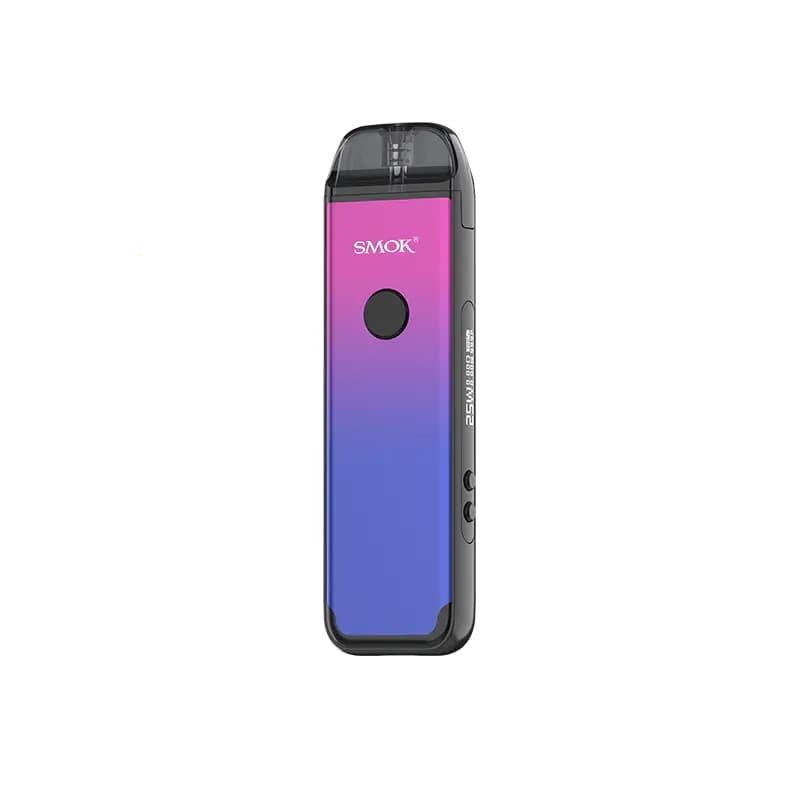
Not all products are created equal. Regulation varies across countries and even within regions. Some jurisdictions limit nicotine concentration, mandate ingredient disclosure, or require independent testing. Other markets remain unregulated, enabling products with undisclosed additives or inconsistent manufacturing practices. This variation is crucial: a regulated cartridge from a well-known manufacturer might have third-party analyses and quality controls, while an unbranded refill could contain contaminants. Again, vape devices and liquids exist on a spectrum, and blanket statements like most e-cigarettes contain only water and flavoring. do not account for this diversity.
Labels, certificates, and what to look for
When evaluating a product, consumers should check for transparent labeling, certificate of analysis (COA) from accredited labs, and clear nicotine concentration information. These documents provide evidence about composition and help distinguish legitimate manufacturers from dubious sellers. Encouraging consumers to look for proof reduces reliance on myths and improves safety outcomes.
Common myths, explained and corrected
Myth: “E-cigarettes emit only harmless water vapor.”
Reality: Exhaled aerosol contains droplets made from the liquid base (PG/VG), dissolved flavors, and possibly nicotine and trace thermal byproducts. While many harmful combustion products are absent, new compounds can appear during heating. Claiming they are “only water” overlooks this chemistry.
Myth: “If it tastes like candy it’s safe.”
Reality: Many flavor compounds are safe to eat but have not been tested for inhalation safety. Inhalation exposes lung tissue to substances that bypass the digestive system’s metabolic pathways. The fact that a substance is edible does not automatically make it safe to inhale.
Myth: “All vapes are the same.”
Reality: Device design (temperature control, coil material), liquid composition, and user behavior (puff duration, frequency) all influence emissions. Two products that look similar on the shelf can produce different aerosols when used.
Health considerations for different user groups
How a product affects someone depends on their prior exposure and health status. Consider three broad categories:
- Adult smokers seeking reduced-risk alternatives: For smokers who cannot or will not quit, switching completely to less toxic nicotine delivery systems may reduce exposure to many combustion-related toxicants. Still, switching should be informed, and the goal should be cessation where possible.
- Non-smokers, especially youth: Initiation by people who were never smokers introduces addiction risk. Nicotine exposure during adolescence can harm brain development.
- Certain clinical groups: People with chronic respiratory conditions, cardiovascular disease, or pregnant individuals should discuss exposure risks with healthcare providers before using nicotine products.
Misleading statements such as most e-cigarettes contain only water and flavoring. can obscure these nuanced, group-specific risk assessments.
Device safety and operational factors
Beyond ingredients, the design and use of devices affect safety. Overheating, poor battery maintenance, and the use of incompatible components can change emissions or create mechanical hazards. Practical advice includes:
- Use devices as directed by manufacturers and reputable sellers.
- Avoid modifying coils or using incompatible liquids in kits not designed for them.
- Keep batteries in good condition and follow charging recommendations.
These operational considerations often receive less attention than ingredient lists, yet they interact with chemistry to determine actual exposure.
How to interpret marketing claims
Marketing language often emphasizes convenience, flavor variety, and sensory experience. Terms like “clean,” “natural,” or “only water” are persuasive but not scientific. A marketing claim that suggests simplicity should trigger a critical check: look for ingredient lists, lab analyses, and reviews from independent sources. When you evaluate a claim such as most e-cigarettes contain only water and flavoring., ask for the evidence backing that statement.
Practical recommendations for current vape users
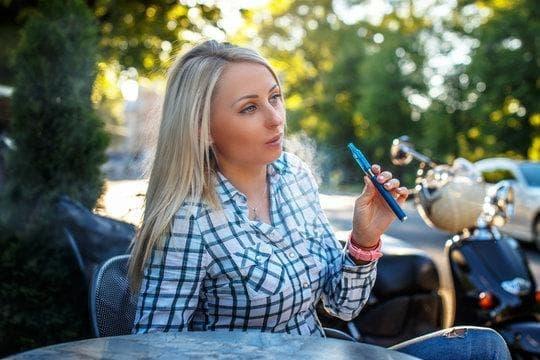
If you already use vaping products and want to reduce harm or increase safety, consider the following steps: choose products with transparent labeling and third-party lab results; avoid unregulated refills and aftermarket additives; prefer devices with temperature control to reduce overheating; and consult health professionals if you plan to reduce or stop nicotine altogether. These actions move decision-making from myths and anecdotes to measurable practices.
For healthcare providers and communicators
Public health professionals should avoid repeating misleading one-liners even when trying to correct them, because repeating a myth can reinforce it. Instead, emphasize accurate comparisons (e.g., “e-cigarettes generally contain fewer combustion toxicants than cigarettes, but they are not simply water and flavoring”) and provide clear guidance tailored to patient goals: cessation, reduction, or avoidance. Use the vape keyword thoughtfully in patient materials to align with common searches while being explicit about composition and risks.
Summary: a balanced, evidence-focused view
Here are the takeaways: e-cigarette aerosols are not the same as inhaling pure water; typical e-liquids are complex mixtures that often include PG, VG, flavors, and sometimes nicotine; emissions are generally less toxic than cigarette smoke for many measured compounds, but they are not risk-free; and product variability means consumers and policymakers must evaluate devices and liquids case-by-case. The repeated phrase most e-cigarettes contain only water and flavoring. oversimplifies and risks misleading people who need accurate information to make health-related choices.
Reliable resources and next steps for readers
To deepen your understanding, seek out peer-reviewed journal articles, regulator guidance pages, and independent lab reports. When searching, include both general and specific queries such as “vape aerosol composition,” “e-liquid ingredients PG VG nicotine,” and the phrase most e-cigarettes contain only water and flavoring. to find materials that directly address that claim. Look for up-to-date systematic reviews and consensus statements from reputable public health bodies when making policy or personal health decisions.
Closing thoughts
Language shapes behavior. Repeating simple claims like most e-cigarettes contain only water and flavoring. without qualification can change how people perceive risk and affect policy debates. By using clear phrasing, citing credible evidence, and recognizing product diversity, consumers and communicators can replace myths with practical knowledge. Whether you are a smoker evaluating alternatives, a parent worried about teen exposure, or a clinician advising patients, an evidence-based, nuanced approach will yield the safest outcomes.
Frequently Asked Questions
- Q: Are e-cigarettes just flavored water?
- A: No. While the aerosol may look like water vapor, most e-liquids are mixtures of propylene glycol and/or vegetable glycerin, flavorings, and sometimes nicotine. Thermal processes during vaping can also generate additional compounds that are not present in plain water.
- Q: If a flavor is food-grade, is it safe to inhale?
- A: Not necessarily. Food-grade status applies to ingestion, not inhalation. The respiratory tract responds differently than the digestive system, and inhalation exposure can lead to different effects; inhalation safety for many flavor compounds has not been comprehensively studied.
- Q: How can I verify what’s actually in a product?
- A: Look for clear ingredient lists, certificates of analysis from accredited third-party labs, and transparent manufacturing practices. Be cautious with unlabeled or imported products that don’t provide independent testing data.