Understanding modern alternatives: an evidence-led overview
This comprehensive guide explores how E-papierosy and the broader category of health electronic cigarette essential for smoking cessation E-papierosy, health electronic cigarette essential for smoking cessation guide with evidence-based tips for quitting” /> options fit into an overall strategy to stop combustible tobacco use. The content below synthesizes clinical findings, public health guidance, behavior-change techniques, practical tips for device selection and nicotine management, plus safety considerations based on peer-reviewed studies and authoritative reviews. It is tailored for people considering switching from smoked cigarettes to vapor products with a goal of quitting nicotine entirely, clinicians advising patients, and public health communicators looking to present balanced, SEO-friendly information.
Why consider vapor products in a quit-plan?
Public health organizations and randomized trials have increasingly evaluated nicotine-containing vaping devices as an option for smokers who have been unable to quit with other methods. For many adults, E-papierosy
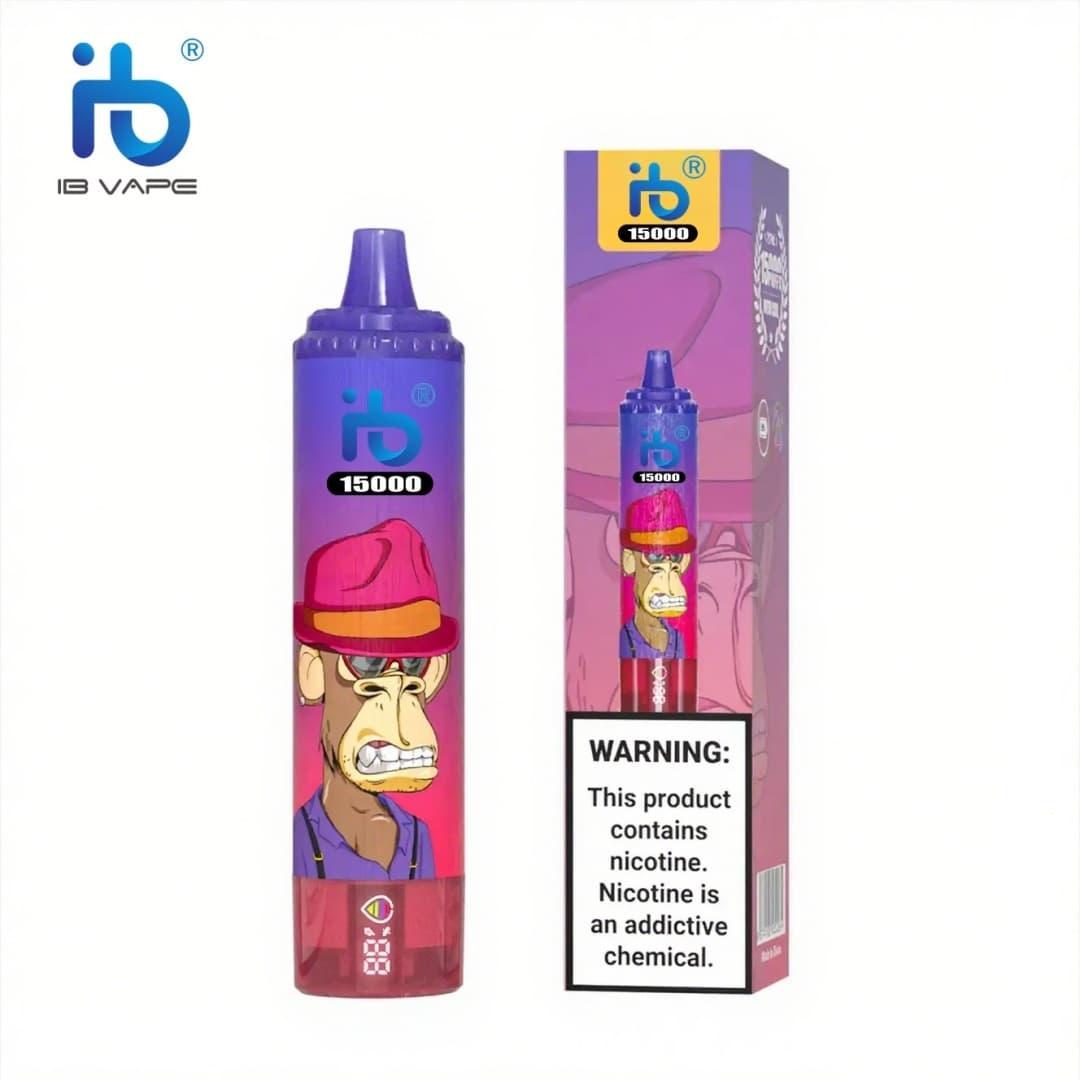 act as a less harmful nicotine delivery system compared to combustible tobacco because they eliminate combustion and many toxicants produced by burning tobacco. Evidence from controlled trials indicates that vaping can be more effective than nicotine replacement therapy (NRT) in certain contexts when combined with behavioral support. However, the term health electronic cigarette essential for smoking cessation should not be read as a blanket endorsement for all users; risk-benefit analysis varies by age, pregnancy status, and previous quit attempts.
Key findings from research
The most reliable evidence to date includes randomized controlled trials and large cohort studies demonstrating higher abstinence rates for smokers using nicotine e-cigarettes versus those using nicotine patches or placebo devices in some settings. Systematic reviews suggest that while not risk-free, e-cigarettes lead to fewer exposure markers to carcinogens and toxicants than continued smoking. Long-term population-level data are still being collected; therefore, clinicians should interpret evidence in light of individual patient needs and local regulations.
How e-cigarettes compare to other quit methods
- Behavioral counseling alone improves quit rates; combining counseling with pharmacotherapy (e.g., varenicline or NRT) further increases success.
- In comparative trials, nicotine e-cigarettes sometimes outperform single-form NRT (patches alone) especially when paired with counseling and when users receive guidance on proper device use.
- Dual use (vaping while continuing to smoke) reduces harm less than complete switching; the ultimate goal should remain sustained abstinence from combustible cigarettes.
Practical, evidence-based steps to quit using electronic options
Below is a pragmatic, staged approach suitable for many adult smokers who aim to quit:
- Commit and plan: Choose a quit date, inform supporters, and remove cigarettes and lighters from frequent surroundings.
- Assess nicotine dependence: Determine your typical daily cigarette consumption and timing (e.g., time to first cigarette) to estimate nicotine needs when switching to E-papierosy or other aids.
- Choose an appropriate device and nicotine strength: Most studies show success when users select devices and e-liquids that adequately relieve cravings. Start with a nicotine strength that prevents withdrawal; avoiding underdosing reduces relapse risk.
- Combine with behavioral support:
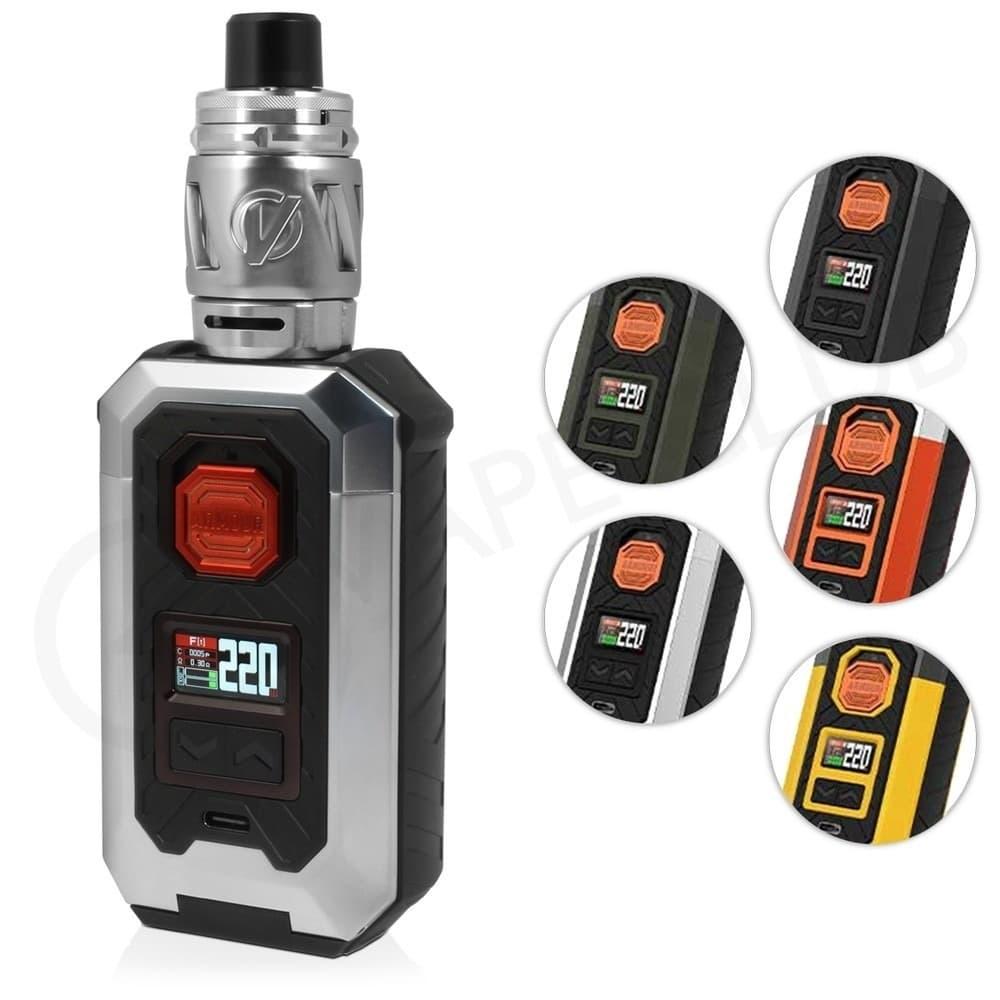 Counseling, digital apps, or quitlines enhance long-term success. Coaching helps with triggers, relapse prevention, and tapering strategies.
 - Monitor and adjust: Track cigarette abstinence, nicotine intake, and side effects. If cravings persist, increase counseling intensity or consider alternative pharmacotherapies under clinician guidance.
Device selection and nicotine dosing
Choosing the right product is a key determinant of successful transition away from cigarettes. Device types range from open refillable systems to closed pod devices and disposable units. Evidence suggests that higher-delivery systems that mimic nicotine delivery patterns of cigarettes tend to be more acceptable to heavy smokers, increasing the likelihood of complete switching. Conversely, low-nicotine devices may result in continued cigarette use. Practical tips:
- For heavy smokers, consider a device and e-liquid combination that provides robust nicotine delivery to reduce immediate withdrawal.
- For light smokers or those sensitive to nicotine, start lower and titrate based on symptoms.
- Prefer regulated, reputable brands and avoid modifying devices in unsafe ways.
Behavioral strategies that improve outcomes
Successful cessation with or without vaping typically includes behavioral supports: cognitive-behavioral techniques, motivational interviewing, habit replacement, stress management, and routine changes. Combining these strategies with an informed choice about nicotine delivery (whether through E-papierosy, NRT, or medication) is repeatedly associated with improved quit rates.
How to taper nicotine safely
Some users aim to reduce nicotine gradually after complete switching. A gradual tapering schedule can be planned: maintain complete abstinence from cigarettes, then reduce nicotine strength in e-liquids stepwise (for example, every 2-4 weeks) while monitoring cravings and mood. Behavioral support is essential during tapering to manage triggers and prevent relapse. An alternative is to fix a time-based plan (e.g., 3-6 months) to reassess goals and consider discontinuing nicotine altogether if stable abstinence from smoking is achieved.
Addressing common safety questions
Safety concerns are often raised about long-term vaping. Current evidence shows that e-cigarette aerosol contains fewer toxic substances than tobacco smoke, but it is not merely harmless air. Short-term adverse effects (throat irritation, cough) are generally mild; long-term cardiovascular and pulmonary effects require more study. Importantly, for adult smokers who switch entirely, the reduction in exposure to cigarette-related toxicants is substantial and likely reduces risk compared to continued smoking.
Special populations and cautions
Pregnant people, adolescents, never-smokers, and those with certain cardiovascular conditions should avoid initiating e-cigarette use. For pregnant smokers, established cessation treatments with clear safety profiles (behavioral support, NRT under supervision) remain recommended. For youth, preventing initiation is a high public-health priority.
Practical troubleshooting: what to do when challenges arise
Relapse to smoking can occur. If it happens, analyze triggers: stress, social situations, alcohol, or device dissatisfaction. Steps to recover momentum include re-establishing a quit plan, consulting a health professional about medication adjustments, switching device type or nicotine strength, and increasing counseling frequency. Remember that relapse is part of the process for many; persistence combined with adaptive strategies increases the chance of eventual success.
Regulatory and quality considerations
Regulations vary by country and region; users should be aware of local rules about e-liquid ingredients, nicotine limits, product standards, and sales age limits. Purchase products from reputable sources and avoid illicit or homemade liquids. Many jurisdictions encourage product standards to reduce contamination and ensure consistent nicotine labeling.
Integrating vaping into a comprehensive quit plan
Good clinical practice frames vaping as one potential tool among many. Effective quit plans are personalized, combining pharmacologic, behavioral, and social supports. For some smokers who have repeatedly failed other methods, E-papierosy serve as a pragmatic bridge away from smoking, especially when accompanied by counseling and follow-up. Position any vaping strategy with the ultimate aim of complete cessation of combustible tobacco, and ideally eventual nicotine cessation if possible.
Evidence-based tips summarized
- Set a clear goal and quit date and remove tobacco products from your environment.
- Choose a device and nicotine strength that relieve withdrawal; complete switching is the target.
- Combine product use with behavioral support such as counseling or quitlines.
- Titrate nicotine down gradually when stable abstinence is achieved, if your goal includes nicotine discontinuation.
- Monitor for side effects and seek medical advice if you have cardiovascular disease, pregnancy, or other complex conditions.
Monitoring progress and measuring success
Quantifiable markers of progress include days since last cigarette, reductions in cigarette cravings, improvements in respiratory symptoms and exercise tolerance, and biochemical verification (for clinical settings) using exhaled carbon monoxide or cotinine testing. Tracking these metrics helps maintain motivation and informs adjustments to the quit plan.
Communicating with healthcare providers
Openly discuss your goals and product use with clinicians. They can help identify appropriate nicotine dosing, assess potential drug interactions, and provide or refer you to behavioral counseling. Shared decision-making ensures tailored care and aligns cessation choices with health history and preferences.
Myths, misconceptions and clarifications
There are several common misunderstandings: 1) vaping is as harmful as smoking (evidence indicates less harm for exclusive switching); 2) nicotine itself causes cancer (nicotine is addictive and has cardiovascular effects but is not the primary carcinogen in cigarettes); 3) quitting without any aids is always best (while many succeed unassisted, evidence supports that pharmacotherapy and behavioral supports increase success for many smokers).
Community and social support
Engage family, friends, support groups, or online communities. Many users find peer support groups and structured counseling increase accountability and share practical tips for managing common challenges like weight gain, cravings, and social pressures.
Long-term strategy and relapse prevention
After initial cessation, maintain strategies to prevent relapse: continue coping skills, avoid high-risk situations where you previously smoked, keep behavioral routines that replace smoking rituals, and participate in occasional follow-up counseling sessions. Some people benefit from keeping a low-dose nicotine product for months as an emergency tool against relapse; this must be balanced against the goal of nicotine cessation.
Key takeaways
When weighed carefully, E-papierosy can be an effective component of a quit strategy for some adult smokers, particularly those who have failed other methods. The label health electronic cigarette essential for smoking cessation reflects an emphasis on health-focused, evidence-based use rather than promotion to non-smokers. Personalized plans, combination with behavioral support, attention to safe product selection, and adherence to local regulations maximize the public health potential while minimizing risks.
If you are considering switching, consult reliable resources and healthcare professionals to build a plan that fits your medical history and quit goals. The pathway away from combustible tobacco can vary; using the right tools at the right time increases the chance of lasting success.
Further reading and resources
For more detailed clinical guidelines, search for up-to-date systematic reviews, national health agency guidance, and randomized trial data. Trusted sources include academic medical centers and official quitline services that provide counseling and verified information about product safety, nicotine dosing, and behavioral techniques—the elements that together produce the strongest quit outcomes.
FAQ
A: Multiple randomized trials and systematic reviews indicate that nicotine e-cigarettes can be effective for some adult smokers, especially when combined with behavioral counseling. Results vary by study and population, so personalized medical advice is recommended.
Q: Is vaping safer than smoking?
A: Exclusive switching to vaping typically reduces exposure to many harmful combustion-related toxicants. It is not risk-free, but it is generally considered less harmful than continued smoking.
Q: How should I choose nicotine strength?
A: Base your choice on prior cigarette consumption and withdrawal symptoms. Heavier smokers often need higher starting strengths to avoid relapse; consult a clinician or trained counselor for tailored advice.
Q: Will I have to vape forever?
A: Some people use vaping as a long-term harm reduction tool, while others taper nicotine over time. The ideal outcome from a health perspective is complete cessation of combustible tobacco and eventually nicotine, but your quit-plan should be realistic and adaptable.