Navigating Safer Choices: A Practical Guide from český vape shop
This comprehensive, research-informed guide explores the many facets of vaping, focusing on the health impact of e-cigarettes while helping consumers make safer, more informed choices. Whether you are curious about substituting combustible tobacco, choosing lower-risk products, or simply seeking balanced information, this resource breaks down the science, the uncertainties, and pragmatic harm-reduction strategies. We will avoid repeating the introductory headline verbatim, yet preserve the intent: to explain risks, practical steps, and purchasing advice related to e-cigarettes and vaping devices.
What Are Modern E-Cigarettes and Why They Matter
Electronic nicotine delivery systems, commonly called e-cigarettes or vapes, heat liquids to create an inhalable aerosol. Many users turn to vaping because it can deliver nicotine without burning tobacco. That distinction changes the chemical profile of what is inhaled, and thus alters the potential harms. When assessing the health impact of e-cigarettes, it’s important to examine ingredients, device power, user behavior, and product quality. Retailers such as český vape shop often emphasize product safety, third-party testing, and transparent ingredient lists — all factors that influence health outcomes.
Key Components to Understand
- Base liquids: Propylene glycol (PG) and vegetable glycerin (VG) form the primary carriers for nicotine and flavorings.
- Nicotine: Concentration and form (freebase vs. nicotine salt) affect absorption speed and throat sensation.
- Flavorings: Generally safe for ingestion, but inhalation toxicology may differ; certain compounds can generate harmful thermal decomposition products.
- Device mechanics: Coil material, temperature control, and wattage influence aerosol composition.
Short-Term Versus Long-Term Health Effects
The available evidence on the health impact of e-cigarettes points to a nuanced picture. In the short term, non-combustible nicotine delivery typically produces fewer and lower concentrations of well-known carcinogens and carbon monoxide compared with cigarette smoke. That said, acute effects such as throat irritation, cough, and transient changes in heart rate or blood pressure have been documented. Long-term data are still emerging. Because vaping is relatively new on a population scale, longitudinal studies tracking respiratory, cardiovascular, and metabolic outcomes are ongoing.
Public-health assessments often contrast the relative harms: while vaping is widely believed to be less harmful than ongoing smoking, it is not risk-free. Independent reviews emphasize the need to consider dual use (vaping plus smoking), initiation among youth, and the variable quality of products on the market. Reputable outlets, including trusted vendors like český vape shop, can help reduce some risks by prioritizing tested liquids and regulated devices.
What Science Says About Specific Risks
Researchers have identified several categories of concern for the health impact of e-cigarettes:
- Respiratory effects: Some studies report airway inflammation or reduced lung function in heavy or long-term vapers, although effects are generally smaller than those seen in smokers.
- Cardiovascular signals: Short-term increases in heart rate and blood pressure have been observed after nicotine inhalation. The long-term cardiovascular risk compared to smoking is still being quantified.
- Chemical exposures: Thermal degradation can create formaldehyde, acrolein, and other irritants depending on device settings and liquid composition.
- Addiction and youth initiation: Nicotine is addictive, and flavors may increase product appeal to adolescents, raising concerns about nicotine dependence and future tobacco use.
These points do not imply that all vaping is equally risky: exposure depends on product choice, how a device is used, and whether the user previously smoked. Harm-reduction strategies aim to minimize exposure to problematic compounds while addressing nicotine dependence responsibly.
Strategies for Reducing Risk: Practical Advice
For adults seeking safer alternatives or transitioning from cigarettes, the following measures can reduce potential harms related to vaping:
- Choose reputable suppliers: Buying from an established vendor like český vape shop that provides lab certificates and transparent ingredient lists lowers the chance of contaminated or mislabeled products.
- Prefer lower power and lower temperature settings: Higher wattage increases thermal decomposition of liquids; using moderate settings generates fewer harmful byproducts.
- Select simple, well-tested e-liquids: Avoid unknown homemade mixes and favor products with clear nicotine content and fewer exotic additives.
- Avoid black-market or illicit cartridges: These have been associated with severe lung injuries in notable outbreaks.
- Manage nicotine concentration: Gradually reducing nicotine strength can help prevent dependence escalation and support eventual cessation.
These tactics are consistent with harm-reduction principles: reducing exposure to known toxicants while supporting smokers who cannot or will not quit nicotine immediately.
Device Selection: What to Look For
Not all devices are equal. When shopping, pay attention to:
- Build quality and certifications
- Replaceable, high-quality coils
- Adjustable temperature or wattage controls
- Child-resistant packaging and clear labeling
český vape shop and similar retailers often provide specification sheets and user guidance that can help consumers choose devices appropriate to their experience level and goals. For instance, a sub-ohm tank intended for cloud production favors VG-heavy liquids and higher power, while a pod system often uses nicotine salts and lower volumes — each carries different exposure profiles.
Behavioral Steps: Use Patterns That Matter
How someone vapes can influence their exposure more than the nominal features of the device itself. Important behavioral considerations include:
- Puff duration and frequency: Longer, more frequent puffs deliver more aerosol and thus more chemicals and nicotine.
- Avoid dry hits: When coils are inadequately saturated, thermal degradation spikes.
- Maintenance: Regularly replace coils and keep devices clean to prevent burnt tastes and increased emissions.
- Store liquids properly: Heat, light, and air exposure can degrade ingredients and compromise quality.
Special Populations: Young People, Pregnant People, and Non-Smokers
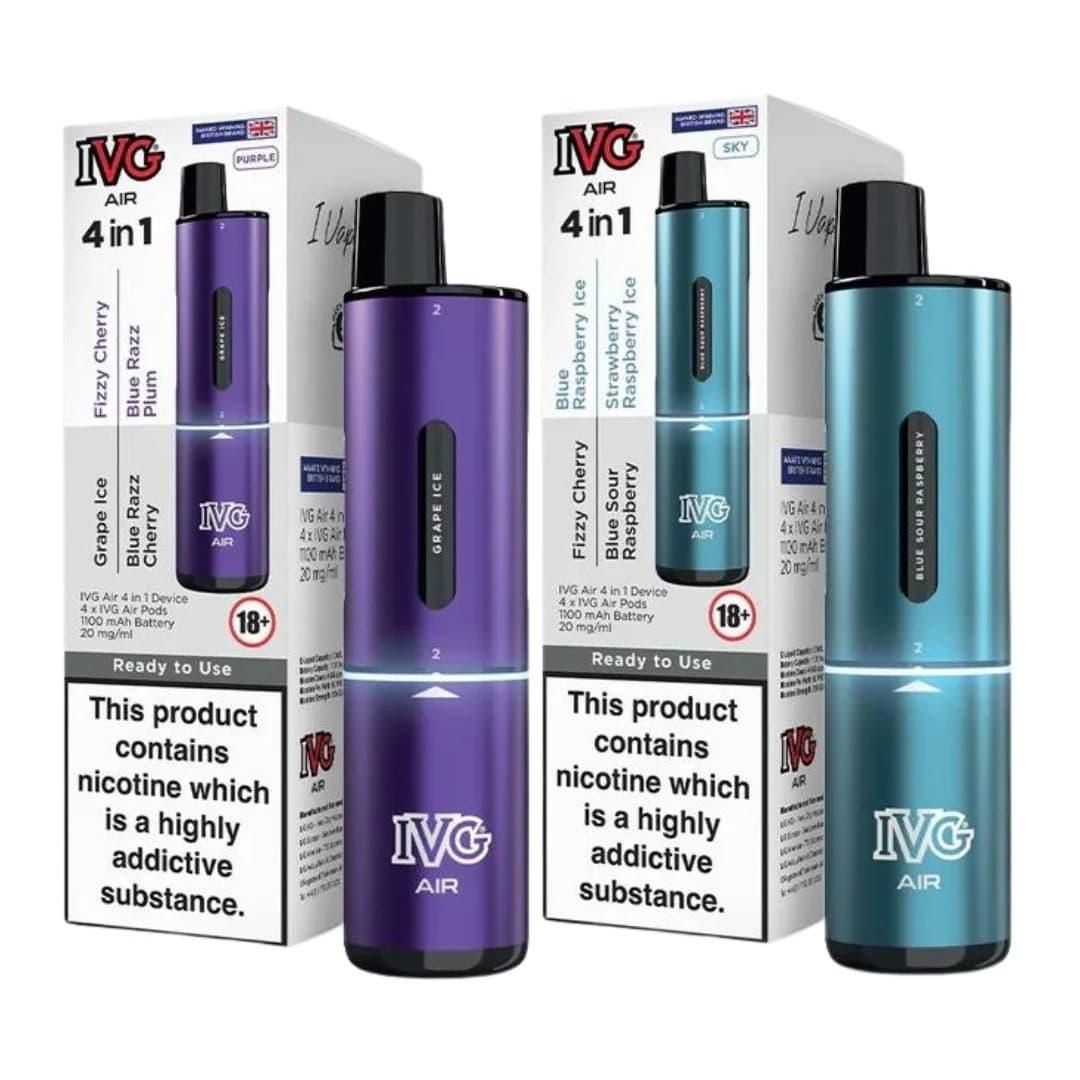
Public-health guidelines are clear that vaping is inappropriate for adolescents, pregnant people, and those who do not already use nicotine. Nicotine exposure during adolescence can damage developing brains and increase the risk of lifelong dependence. Pregnant people should avoid nicotine in all forms because of fetal developmental risks. For non-smokers, any nicotine initiation represents a risk of addiction without compensatory benefits.
Role of Regulation, Testing, and Transparency
Strong regulation and third-party testing reduce variability in product safety. Look for providers that publish lab reports for each batch of e-liquid and that comply with local safety rules. Stakeholders including manufacturers, retailers like český vape shop, researchers, and regulators all contribute to safer markets by enforcing manufacturing standards and restricting harmful additives.
Comparisons: Vaping Versus Smoking and Other Alternatives
Although many experts conclude that e-cigarettes are likely less harmful than combustible cigarettes for adult smokers who switch completely, the relative benefit depends on complete substitution and product quality. Alternative cessation aids — patches, gums, inhalers, varenicline — have established efficacy and may be preferable in some contexts. For those using vaping as a cessation aid, structured support and a plan to reduce nicotine over time often improve outcomes.
Making an Informed Decision
Deciding whether to vape involves weighing potential benefits and risks. Factors to consider include your current smoking status, goals (quit vs. reduce), risk tolerance, and access to quality information. Resources offered by reliable vendors and health professionals can clarify trade-offs. Emphasizing transparency, choosing tested products, and following harm-reduction best practices minimizes avoidable risks associated with e-cigarette use.
Practical Checklist Before You Start or Switch
- Confirm product lab reports and ingredient transparency.
- Choose an appropriate nicotine strength and consider nicotine salts for less harsh throat hit if needed.
- Start at conservative power settings and avoid high-wattage experimentation until you understand the device.
- Plan for gradual nicotine reduction if your goal is eventual cessation.
- Seek support from healthcare professionals if you have pre-existing conditions.
Final Thoughts: A Balanced Perspective
When discussing the health impact of e-cigarettes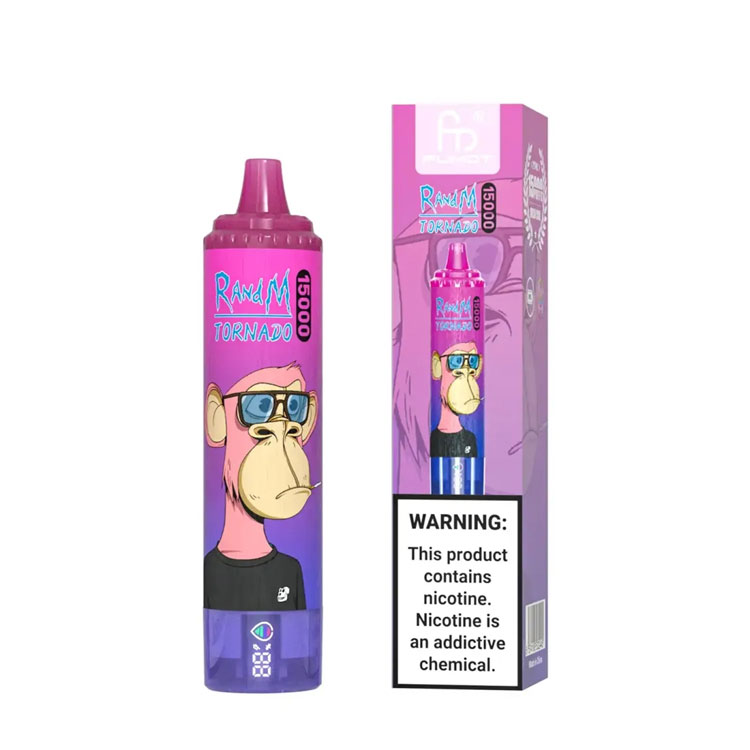 , it’s essential to recognize the gray areas: vaping can reduce exposure to many toxicants compared to cigarette smoking but is not harmless, especially for young people and non-smokers. Vendors like český vape shop that prioritize product transparency, quality control, and consumer education play a valuable role in reducing harm for adult smokers seeking alternatives. Ongoing research will clarify long-term outcomes, and consumer choices guided by evidence and caution will help minimize preventable harms.
Additional Resources and Where to Find Reliable Information
For up-to-date, peer-reviewed research and public-health guidance, consult government health agencies, medical organizations, and scientific journals. If you purchase products, favor suppliers that publish detailed product data and third-party lab certificates. Keep in mind that science evolves: staying informed is part of making safer choices regarding nicotine and vaping.
If you are considering vaping as an alternative to smoking, consult a healthcare provider to create a tailored plan. Responsible sourcing, conservative device use, and gradual nicotine reductions are practical strategies to lower risks associated with e-cigarette use.
FAQ
Q1: Are e-cigarettes completely safe?
A1: No product that delivers nicotine is completely without risk. E-cigarettes generally expose users to fewer toxicants than combustible cigarettes, but they still present potential respiratory and cardiovascular effects, and nicotine is addictive. Choosing tested products and using harm-reduction strategies can lower some risks.
Q2: Can vaping help me quit smoking?

A2: For some adult smokers, switching completely to e-cigarettes has helped reduce or stop cigarette use. Combining vaping with behavioral support and plans to reduce nicotine can improve cessation outcomes. Other approved therapies may also be effective and should be discussed with a healthcare professional.
Q3: How can I reduce risk if I vape?
A3: Use reputable vendors, choose tested e-liquids, avoid illicit cartridges, maintain your device, use moderate power settings, and consider declining nicotine concentration over time. These measures reduce exposure to unwanted chemicals and support safer practices.
Keywords used in this piece for SEO emphasis include český vape shop and health impact of e-cigarettes, repeated thoughtfully to aid discoverability while emphasizing quality, safety, and harm-reduction in vaping discussions.