Practical guidance for traveling with vapor devices and legal clarity for visitors
This longform guide focuses on up-to-date travel guidance, safety best practices and legal clarity for visitors who plan to bring a Vape or ask whether e cigarette legal in thailand. The goal is to offer a balanced, practical resource that helps reduce risk, avoid fines, and keep devices and people safe while abroad. Throughout the piece you will find actionable packing tips, airport rules, local law summaries, cultural considerations, and device safety routines that are useful whether you’re a seasoned vaper or a first-time traveler considering an e-liquid device.
Quick overview: legality and practical reality
At the core of most travel planning questions is one central phrase: is a Vape permitted? In Thailand the simple legal status of an e cigarette legal in thailand can be confusing because laws, enforcement and public messaging differ. Officially, many jurisdictions in Southeast Asia have strict controls; Thailand’s regulatory framework historically has treated electronic nicotine delivery systems differently from conventional cigarettes, and enforcement has been enforced with fines, confiscation and occasional criminal penalties. This guide does not serve as legal advice, but it compiles sources and common-sense steps that visitors can follow to minimize legal and safety risk.
Key takeaways for travelers
- Know the law before you pack: Check official embassy pages and recent travel advisories for the latest on whether e cigarette legal in thailand remains permitted and under what conditions.
- Airlines and airports are strict: Most carriers ban lithium battery devices in checked baggage; always carry them in your hand luggage and obey airline policies.
- Local enforcement matters: Even if rules are ambiguous, enforcement on the ground can be strict; fines and confiscation are common.
- Safety first: Battery care, quality e-liquids, and secure storage reduce the chance of accidents and scrutiny.
Understanding the legal environment
Many governments regulate tobacco and nicotine products under dedicated statutes that can include electronic devices. Clear signage and law texts can be hard to find; therefore, visitors should assume a conservative approach. When asking whether an e cigarette legal in thailand, consider both national statute and municipal ordinances. Some regions restrict sales and importation; others limit use in public spaces. Fines, deportation risk, or criminal charges vary by incident severity. It’s advisable to consult an official source such as a national health department or consulate website for the most reliable update before travel.
Practical implications of possession, sale and import
Possession may be tolerated in some contexts, but sale and distribution usually require licensing. Bringing a personal Vape device for private use is a different legal question than carrying inventory for sale. Travelers transporting small amounts of e-liquid for personal consumption typically face fewer complications than those with large quantities or commercial packaging. Customs officers can and do exercise discretion at points of entry; declare substances when required and carry receipts or prescriptions if applicable.
How to pack a Vape for international travel
Thoughtful packing reduces both safety hazards and legal exposure. Use these step-by-step packing recommendations:
- Check airline rules: Most airlines ban e-cigarettes in checked baggage, so pack devices and spare batteries in carry-on luggage only.
- Remove or secure e-liquids: Use leak-proof containers and keep liquids below allowed liquid volume limits for cabin luggage. Label bottles clearly and keep them in original packaging when possible.
- Spare batteries: Place batteries in protective cases to prevent short-circuiting. Do not store loose batteries where metal objects can contact terminals.
- Device protection: Protect tanks and glass components in padded cases to reduce damage during transport and inspection.
- Documentation: Carry proof of purchase and, if relevant, a doctor’s note for medically indicated nicotine use. This evidence can help at customs in rare cases.
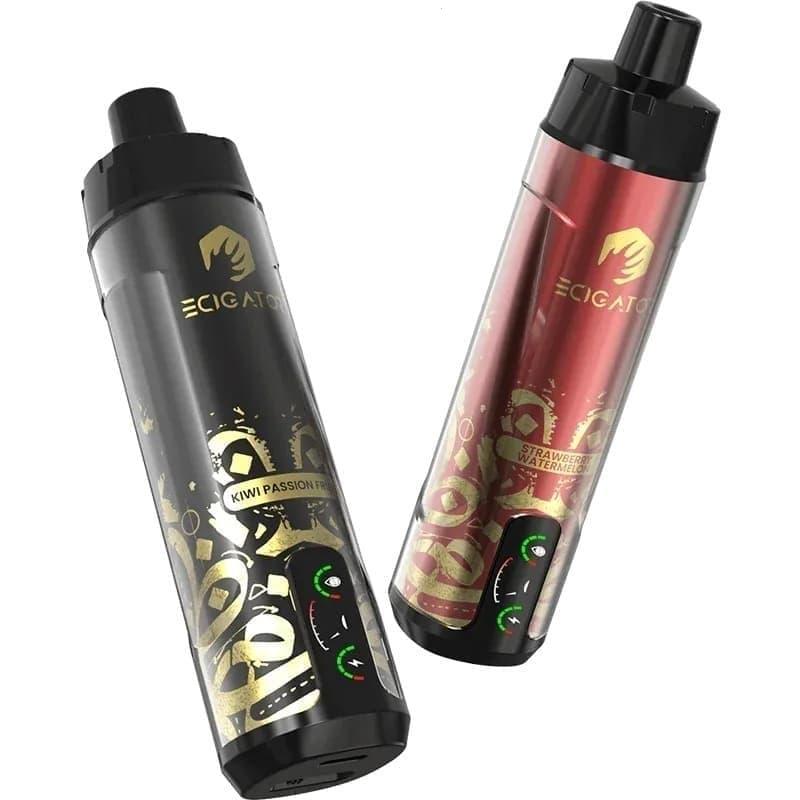
Following these steps ensures better compliance with both aviation safety regulations and the kinds of searches customs officials perform. Packing professionally and transparently also reduces suspicion and the likelihood of confiscation.
In-country behavior: where you can and cannot vape
Even where possession is permitted, public vaping often carries the same restrictions as smoking combustible tobacco. Popular tourist zones, historic sites and religious locations frequently ban all forms of smoking and vaping. Respect signage and local norms to avoid complaints. Hospitality venues—hotels, bars and restaurants—vary widely: some provide designated smoking rooms, others prohibit vaping entirely. When in doubt, ask staff politely and use designated smoking areas.
Respecting cultural context
Thailand is a nation with a strong tourism industry and a culture that values public decorum. Open vaping in dense crowds or sacred spaces may be perceived as disrespectful. Using a Vape discreetly and considering fellow visitors will reduce negative encounters and help maintain a positive travel experience.
Safety: batteries, e-liquids and device maintenance
Device and battery failures are among the most common safety incidents related to vaping. These incidents can cause burns, fires, or device malfunction. Implement these safety precautions to protect yourself and others:
- Battery care: Use manufacturer-recommended chargers, avoid overcharging, and never leave batteries charging unattended. Store batteries in cases and replace cells showing damage.
- Quality e-liquid: Purchase e-liquids from reputable sources and avoid counterfeit or unlabeled products that can contain impurities or incorrect nicotine concentrations.
- Device maintenance: Keep threads clean, replace worn coils, and check seals to reduce leaks that can damage electronics or create hazards.
- Transport safety: For air travel, protect devices from accidental activation by removing tanks or engaging safety locks.
These simple protocols significantly lower the incident rate for most users and are especially important when traveling, because emergency response resources may vary.
Tips to minimize legal exposure when arrival occurs
If you are asked about a Vape or whether an e cigarette legal in thailand is permitted, responding calmly and with documentation is best. If a device is confiscated, remain polite and request a receipt where possible. If faced with a fine, ask for clear instructions on payment. In rare cases where legal action escalates, contact your embassy or consulate for assistance. Keep a list of emergency contacts, including your country’s diplomatic mission and local legal aid organizations, before you travel.
When you should seek legal help
Seek legal assistance if you are detained, face charges, or encounter aggressive enforcement. Consular services can provide lists of local attorneys and help explain local legal procedures. They cannot, however, pay fines or secure immediate release; their role is to provide guidance, ensure fairness, and contact family if requested.
Alternatives to carrying nicotine devices
If the legal uncertainty feels risky, consider safer alternatives for the duration of your stay. Nicotine replacement therapies (patches, gum, lozenges) are widely accepted and carry fewer legal complications. Some travelers choose to purchase locally where permitted, or to temporarily suspend device use. Plan withdrawal aids, and consult a healthcare provider if you are concerned about nicotine dependence during travel.
Communicating with locals and authorities
When discussing vaping with non-English speakers, having a few useful phrases prepared can help. Here are sample translations you can use to ask whether an e cigarette legal in thailand in a specific area or to identify a designated smoking space:
- “Is vaping allowed here?” — ask staff before you light up.
- “Where can I smoke or vape?” — many venues will indicate a designated area.
- “I have a medical need for nicotine replacement.” — carry documentation if relevant.
Keeping interactions polite and brief reduces the chance of escalation. If confronted by authorities, present identification and documentation, avoid impolite behavior, and request clarification in writing if possible.
How to research the most current rules before you go
Rules change. Rely on primary sources: embassy travel advice, official government health ministry pages, and airline policy documents. Social media and travel forums can be helpful for anecdotal experiences but should not be your sole source for legal decisions. When looking up whether an e cigarette legal in thailand, search for official statements, recent news reports from reputable outlets, and tourism board updates to build a current picture.
Checklist before departure
Create a pre-travel checklist: check the airline policy, confirm your destination’s rules about Vape possession and use, prepare a safe packing plan, and gather documentation. Doing so reduces stress at the border and improves safety during your trip.
Practical scenarios and recommended responses
To help crystallize the advice, here are some realistic scenarios and pragmatic ways to handle them:
- Scenario: Routine customs check — Be transparent, present receipts, and calmly explain the device is for personal use. If asked to surrender, request a written receipt.
- Scenario: Local police confront you for public vaping — Apologize, stop vaping immediately, and ask whether there is a designated area where vaping is legal.
- Scenario: Airport security flags your device — Follow instructions, keep batteries separate and in a protective case, and ask for guidance on permitted carriage. Airlines typically have clear rules to follow.
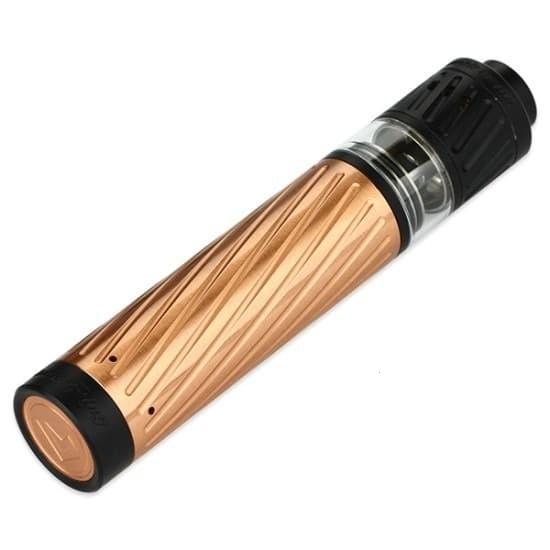 Vape safety tips for visitors” />
Health considerations for traveling vapers
Beyond legal risks, consider the health side. Changes in altitude, humidity and routine can affect how your device performs and how nicotine is absorbed. Stay hydrated, avoid overly strong flavors in hot climates that can cause nausea, and keep spare parts to avoid interruptions. If you have respiratory conditions, consult a healthcare provider before travel and carry documentation. Prioritizing health ensures a more comfortable trip.
Environmental and etiquette tips
Disposing of cartridges, batteries and e-liquid responsibly is part of being a considerate traveler. Many countries lack specialized e-waste infrastructure, so carry used parts home where possible or find appropriate disposal points. Avoid public vaping around children or within scent-sensitive settings to respect others and reduce complaints that might trigger enforcement.
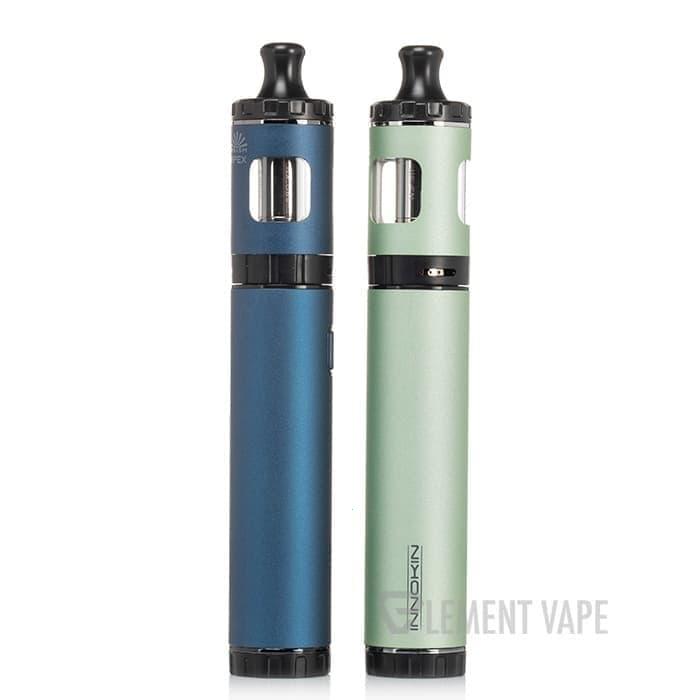
Resources and further reading
Before each trip, consult multiple resources: the embassy or consulate of your destination, airline and airport policies, local health ministry advisories, and recent reputable news coverage. Combining these sources gives you the best chance of accurate, timely information on whether an e cigarette legal in thailand in the precise form you plan to travel with.
Practical checklist to print or save
Use this compact checklist before leaving home: 1) Verify destination law about Vape and e cigarette legal in thailand, 2) Confirm airline rules, 3) Pack devices and batteries in carry-on, 4) Use protective battery cases, 5) Carry documentation and receipts, 6) Be ready to surrender devices politely if required, 7) Consider nicotine patches or gum as a backup.
Final note on risk management
Travel inherently involves tradeoffs. Being well prepared reduces legal and health risks while enabling the conveniences you expect. Treat local laws seriously, and when in doubt, opt for solutions that minimize exposure—for example, temporary nicotine replacement, or buying legally at destination if permitted. If questioned by authorities, remain calm, provide documentation and contact your embassy for assistance if necessary. Traveling with a Vape can be managed safely when you combine legal awareness, careful packing and device safety best practices.
Additional tips for group travel and rentals
If you’re traveling with friends or renting a vehicle, coordinate storage and agree on no-use zones to avoid conflicts. In multi-room accommodations, follow property rules about vaping, and avoid leaving devices unattended. For long stays, research local consumer protections in case you need to replace parts or purchase supplies.
How to respond to confiscation or fines
If a device is confiscated, request a receipt and ask whether it can be returned or reclaimed. Pay fines through official channels and obtain written confirmation. If legal action begins, reach out to your embassy and retain legal counsel. Documentation and respectful compliance usually resolve incidents more quickly than confrontation.
What changes to watch for in policy updates
Regulatory landscapes evolve. Watch for trends such as tightened sales restrictions, bans on flavored e-liquids, or new import controls. Health ministry announcements and international health organization guidance often signal shifts. Signing up for travel alerts from your foreign ministry or embassy can provide timely warnings about changes that affect whether devices like a Vape or an e cigarette legal in thailand remain permissible.
Closing practical reminder
For most travelers the safest approach is conservative: minimize the number of devices you carry, secure batteries, use the carry-on for devices, and be ready to adapt if policies or enforcement differ from your expectations. Respect local norms and authorities and prioritize safety, and your travel experience will remain positive and incident-free.
FAQ
- Q: Can I buy e-liquids or devices locally if I don’t bring any?
- A: Availability varies. Some jurisdictions permit retail sales while others do not. Check local rules and vendor reputations; imported or counterfeit products may pose health risks.
- Q: What should I do if an official wants to confiscate my device?
- A: Remain calm, request a written receipt, and ask how you can reclaim the item if possible. Contact your embassy if you face fines or legal action.
- Q: Are disposable e-cigarettes treated differently?
- A: Enforcement often focuses on nicotine content and importation. Disposable devices may be easier to conceal but carry similar legal risks; do not assume they are permitted where refillable devices are banned.