Understanding puff Vapes and Their Popularity in Modern Smoking Alternatives
In recent years, puff devices have surged in popularity as a preferred alternative to traditional tobacco products. Their compact design and flavor variety have attracted a broad demographic, promoting a less cumbersome way to consume nicotine. The vaping culture around puff vapes, often characterized by portability and ease of use, marks a significant transition from conventional smoking habits.
What Are puff Devices?
A puff vape is a small, disposable electronic cigarette designed to vaporize e-liquid solutions, delivering nicotine and flavor without combustion. Unlike traditional cigarettes, puff vapes do not rely on burning tobacco leaves; instead, they use a battery-powered heating element, which produces an aerosol inhaled by the user. This mechanism reduces tar and many harmful chemicals typically associated with cigarette smoke.
Comparing Health Impacts: Are e cigs worse than cigarettes?
The question of whether e cigs are worse than cigarettes has become a major topic among public health experts, smokers, and policymakers. While neither is completely risk-free, understanding the differences in their composition and impact is crucial.

The Composition of Cigarettes vs. E-cigarettes
Traditional cigarettes contain tobacco, paper, and numerous additives, releasing thousands of chemicals including tar, carbon monoxide, and carcinogens when burned. Conversely, e cigs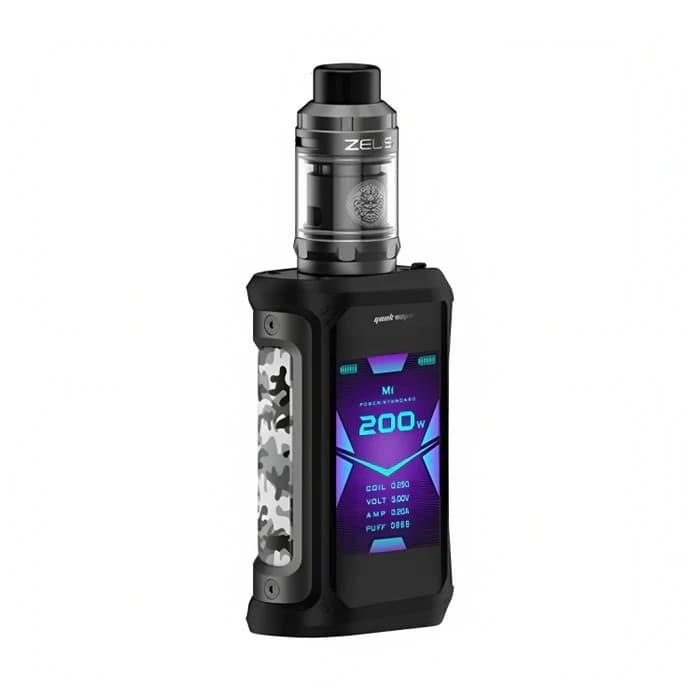 typically contain nicotine, propylene glycol, vegetable glycerin, and flavorings, which are vaporized rather than combusted. This fundamental difference may influence the health outcomes associated with each.
Health Risks Associated With Each
Scientific studies suggest that while e cigs still pose health risks—such as nicotine addiction and potential lung irritation—the absence of combustion reduces exposure to harmful carcinogens and toxins commonly found in cigarette smoke. The long-term effects of vaping remain under research, but current evidence indicates that traditional cigarettes have a higher correlation with respiratory diseases, cancer, and cardiovascular problems.
Nicotine Addiction and Impact
Both puff vapes and cigarettes deliver nicotine, a highly addictive substance. Users may find themselves dependent, facing challenges in cessation regardless of the product. However, vaping offers more controlled nicotine levels compared to cigarettes, which sometimes results in reduced overall nicotine intake.
Usage Patterns and Social Perceptions
Public perception of puff vapes and e cigs versus cigarettes influences usage patterns among different age groups and social settings. The stigma around smoking traditional cigarettes has grown due to well-publicized health risks, while vaping is often perceived as a “safer” or more socially acceptable alternative, though this is subject to ongoing debate.
Furthermore, many users switch to puff devices as a smoking cessation tool, appreciating their discreet form factor and variety in flavors, which contrasts sharply with the harshness of tobacco smoke and scent.
Optimizing Safety and Informed Choices

Consumers considering whether to use puff vapes or cigarettes should prioritize information from credible health sources. Regulatory bodies like the FDA emphasize that e cigs are not risk-free and recommend caution—especially for young adults, pregnant women, and non-smokers.
Key Takeaways on puff and Is E Cigs Worse Than Cigarettes Debate
- Understanding the chemical differences between vaporized and combusted nicotine delivery systems is vital.
- puff vapes provide a less harmful alternative to traditional cigarettes but still carry health risks.
- Nicotine remains addictive in all forms, making cessation challenging.
- Long-term studies on vaping are limited, necessitating cautious use and further research.
- Social and personal preferences significantly impact addiction and quitting success.
Frequently Asked Questions
Are puff vapes a safer option than smoking cigarettes?
While puff vapes eliminate combustion-related toxins, they still contain nicotine and other chemicals. Current evidence suggests they are less harmful than cigarettes but not completely safe.
Can vaping help with quitting smoking traditional cigarettes?
Many users report that puff vapes assist in reducing cigarette consumption and managing withdrawal. However, the success depends on individual behavior and support systems.

Is there a risk of lung disease from using e cigs?
Some studies link vaping to lung irritation and rare lung injuries, often associated with illicit or modified products. Using regulated puff vapes reduces such risks.
Do e cigs deliver nicotine levels comparable to cigarettes?
This varies by product; some puff devices offer nicotine concentrations similar to cigarettes, while others provide lower or adjustable levels for user preference.