Understanding E-Papierosy: A Revolution in Smoking Alternatives
The transformation of traditional smoking methods has been profoundly influenced by E-Papierosy, commonly referred to as electronic cigarettes. These innovative devices emulate the experience of smoking by vaporizing a liquid solution, providing an alternative that is widely recognized for potentially reduced harm compared to conventional cigarettes. The development of such technology is deeply rooted in the advent and evolution of E-Papierosy that merge chemistry, engineering, and user experience to create versatile products designed for adult smokers seeking cessation alternatives or recreational use.
Origins and Pioneers: Who Invented the Electronic Cigarette?
The question who invented the e cigarette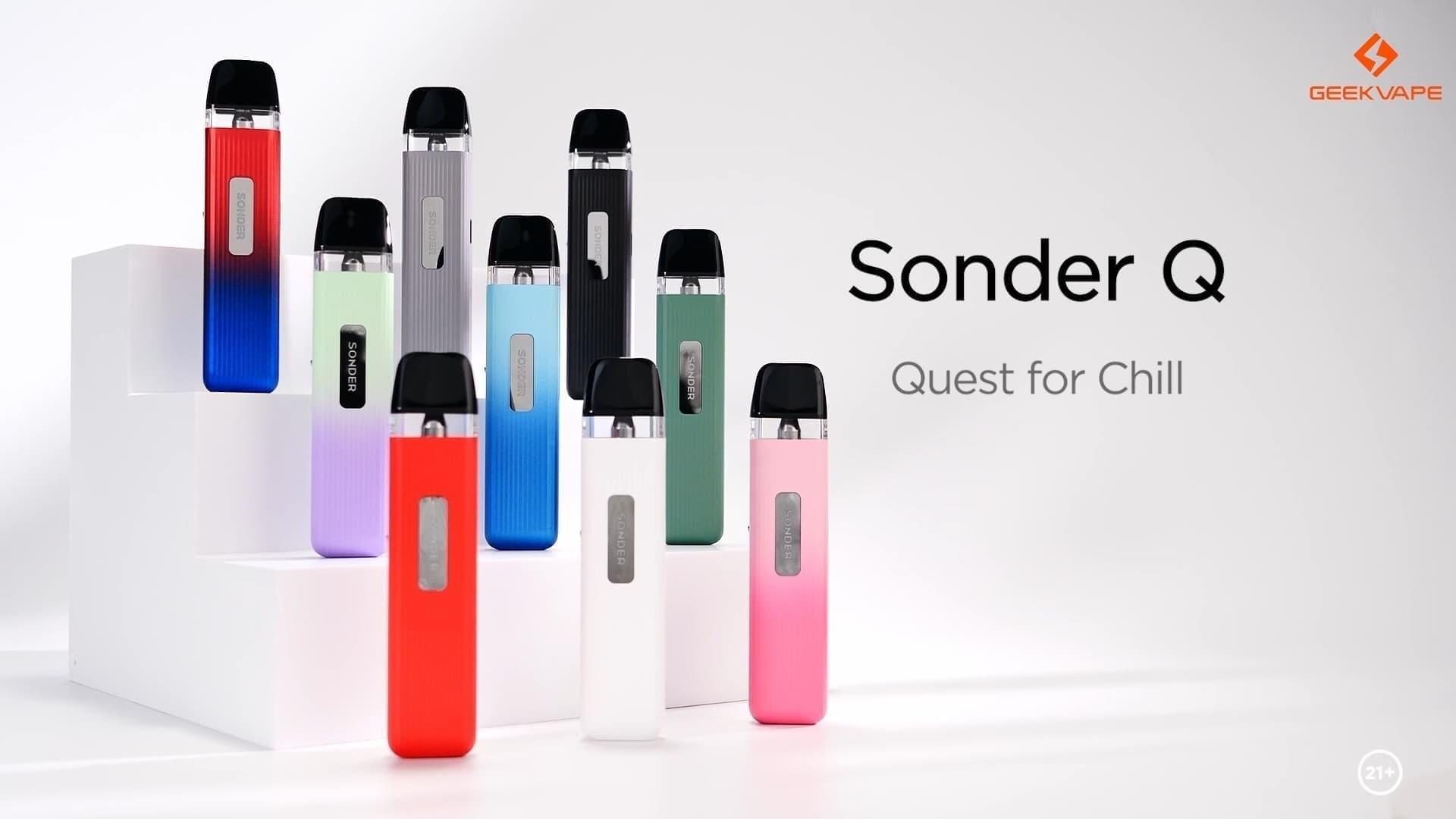 is central to understanding the modern vaping landscape. The credit largely goes to Hon Lik, a Chinese pharmacist who developed the first commercially successful electronic cigarette in 2003. His invention was motivated by a personal loss and a desire to create a safer alternative to traditional tobacco smoking. Hon Lik’s electronic smoking device utilized ultrasonic technology to vaporize nicotine-laden liquid, which users inhale, offering a simulation of cigarette smoking without combustion-related toxicants.
Technological Innovations Underpinning E-Papierosy
Since its inception, the technology behind E-Papierosy has witnessed significant innovation. From the initial ultrasonic vaporization to later models adopting battery-powered heating coils, the devices have improved in efficiency, reliability, and user satisfaction. Modern E-Papierosy often incorporate customizable features such as adjustable power output, temperature control, and diverse flavor options, contributing to a personalized user experience and broader market appeal.
The Role of E-Papierosy in Public Health and Smoking Cessation
The introduction of E-Papierosy has opened new discourse in public health fields, particularly regarding smoking cessation strategies. Various studies suggest that these devices may assist smokers in reducing or quitting combustible cigarette use, though debates regarding long-term health effects continue. Governments and health organizations across different countries have implemented regulations surrounding the sale, advertisement, and use of electronic cigarettes to balance potential benefits with public safety concerns.

Market Growth and Consumer Trends
With heightened awareness and increased adoption, the global market for E-Papierosy has expanded dramatically. The evolving consumer base includes former smokers, current smokers seeking alternatives, and enthusiasts drawn by flavor diversity and technological appeals. Marketing strategies often emphasize the innovation and health-conscious nature of e-cigarettes, positioning them as a modern lifestyle product rather than just a smoking replacement.
Frequently Asked Questions (FAQ)
What distinguishes E-Papierosy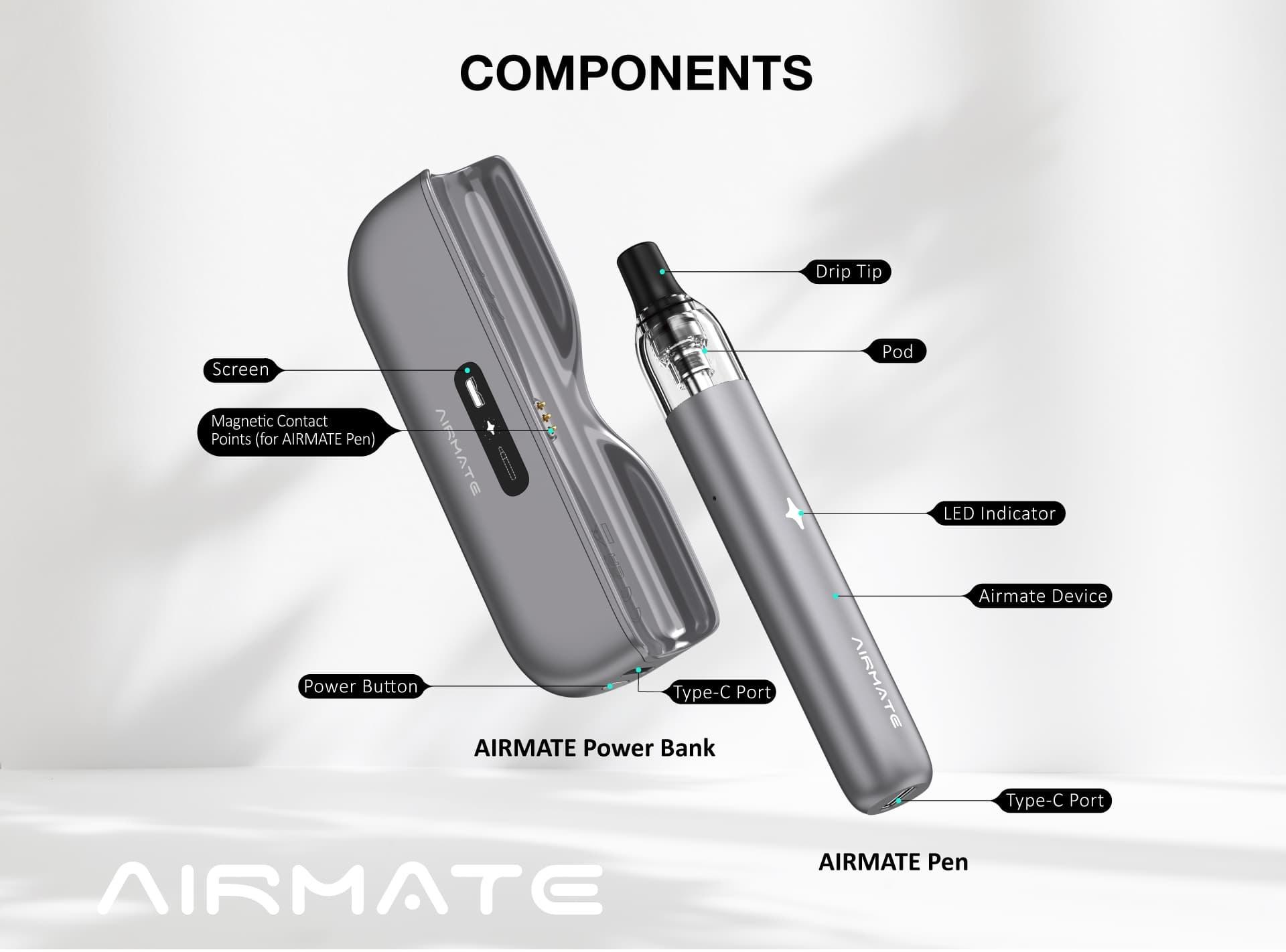 from traditional cigarettes?
Unlike conventional cigarettes that rely on combustion of tobacco to generate smoke, E-Papierosy vaporize a nicotine-infused liquid, eliminating many harmful byproducts associated with burning. This process offers users a smoke-free alternative that mimics smoking behavior.
Who is officially recognized as the inventor of the e-cigarette?
Hon Lik, a Chinese pharmacist, is widely acknowledged as the inventor of the modern electronic cigarette, having patented his design in 2003, which revolutionized smoking alternatives worldwide.
Are E-Papierosy safe to use?
While believed to be less harmful than traditional smoking, the safety profile of E-Papierosy is still under investigation, with concerns about long-term effects and nicotine addiction remaining significant.