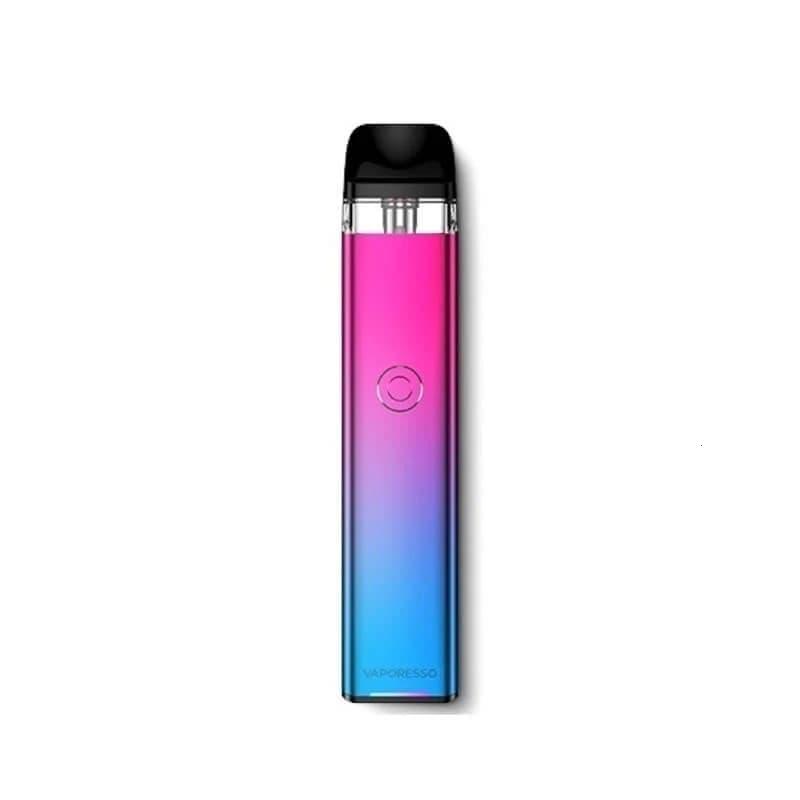
Understanding the Rise of e-papierosy in College Environments
In recent years, the prevalence of e-papierosy—commonly known as electronic cigarettes or e-cigarettes—has radically transformed how we approach smoking policies, especially on college campuses. Institutions of higher education have become focal points for discussions surrounding tobacco use due to a significant demographic shift toward younger adults who often turn to vaping as an alternative to conventional cigarettes.
Why Include e-papierosy in College Campus Smoking Bans e-cigarettes included?
The traditional anti-smoking laws primarily targeted combustible tobacco products, but as the popularity of electronic alternatives soared, many colleges recognized the gap in their regulations. Including e-papierosy under smoking bans addresses multiple concerns: health implications, social influences, and the challenge of enforcing partial prohibitions.
Research indicates that while e-papierosy may present fewer carcinogenic chemicals than combustible cigarettes, they are not without risk. Nicotine addiction, exposure to harmful substances, and the emerging evidence of lung injuries have urged policymakers to adopt comprehensive approaches including all tobacco and nicotine-delivery devices.
Public Health Impact and Behavioral Patterns
Enforcing bans that also cover e-papierosy fosters healthier campus environments. Studies show that partial bans can lead to increased use in designated areas, thereby diminishing the policy’s intended effect. When vaping is banned alongside smoking, students engage less frequently in nicotine consumption, indicating the importance of holistic policy design.
Furthermore, the social normalization of vaping among youth poses risks of increased nicotine dependence. College campus smoking bans e-cigarettes included help mitigate this by discouraging visible usage and reducing peer pressure to initiate use.
Challenges in Policy Implementation
Implementing comprehensive smoking restrictions on campus introduces obstacles. Enforcement demands clear communication and guidelines detailing that e-papierosy are legally considered under the ban. Surveillance mechanisms must adapt since vaping devices can be discreet and portable.

Additionally, colleges struggle with balancing educational campaigns with disciplinary actions. The focus is progressively shifting towards supportive cessation programs tailored for e-papierosy users, emphasizing health education rather than punitive measures alone.
The Role of Student and Administrative Engagement
Successful incorporation of e-cigarettes into smoking bans depends heavily on collaboration between students and campus administration. Peer-led initiatives raise awareness about risks associated with e-papierosy. Meanwhile, administrative policies must remain flexible and informed by ongoing scientific findings.
The Future Outlook: Trends in e-papierosy Regulation
As research continues to evolve regarding the health effects of vaping, college campuses are likely to remain at the forefront of stringent regulation. Many institutions now proactively include e-papierosy in their tobacco-free campus policies, setting an example for broader public health strategies.
Technological advancements in e-papierosy design, such as discreet pods or flavored liquids, call for adaptive policy frameworks to continuously address new challenges. Ultimately, the goal is to cultivate safer environments where student wellness is paramount.
Balancing Innovation and Public Safety
The rapid innovation within the e-papierosy industry means regulatory bodies have a complex task. While some argue for harm reduction strategies incorporating vaping as an alternative to smoking, the inclusion of these devices in college campus smoking bans e-cigarettes included policies aims to prevent nicotine initiation and addiction among young adults.
Summary: Comprehensive Approaches for Effective Control
Incorporating e-papierosy into smoking bans at higher education institutions reflects an understanding of evolving tobacco use trends. It underscores the necessity of holistic, evidence-based policies that address all forms of nicotine consumption. Through enforcement, education, and community engagement, campuses can reduce exposure to harmful substances and support healthier student populations.
Frequently Asked Questions
- Are e-papierosy considered equally harmful as traditional cigarettes on college campuses?
- While e-papierosy generally contain fewer toxic chemicals than combustible cigarettes, they still pose significant health risks, especially related to nicotine addiction and potential lung damage.
- Why do colleges include e-papierosy in smoking bans?
- To create uniformly smoke-free environments, mitigate nicotine dependency, and address enforcement challenges associated with distinguishing vaping from smoking.
- How do campus smoking bans affect student vaping behavior?
- Comprehensive bans that include e-papierosy are more effective in reducing usage, thereby lowering overall nicotine consumption among students.