Comprehensive E-LIQUID Safety Guide: Evaluating Risks and Health Impacts
E-LIQUID products have become widely recognized in the vaping world, but questions remain about their safety profile and long-term health effects. As interest in alternatives to traditional tobacco rises, understanding what constitutes E-LIQUID and analyzing whether are e cigarettes dangerous is crucial for informed users.
What Is E-LIQUID and How Is It Used?
Ingredients in E-LIQUID: Safety Analysis
- Propylene Glycol: Widely regarded as safe for ingestion, but inhaling it as vapor is less studied. Effects on the respiratory system may vary between individuals.
- Vegetable Glycerin: Generally considered safe, but higher concentrations may contribute to dehydration and irritation in sensitive users.
- Nicotine: The primary addictive substance in E-LIQUID, which can raise health concerns such as increased blood pressure, heart rate, and addiction potential.
- Flavorings: While food-grade in nature, their safety when vaporized and inhaled is not fully established. Some flavoring chemicals, like diacetyl, have been associated with lung diseases when inhaled.
Are E Cigarettes Dangerous to Health?
Public health agencies often question are e cigarettes dangerous regarding both direct and indirect effects. Scientific research suggests that vaping may expose users to fewer toxicants than burning tobacco, but it is not risk-free. Potential concerns include:
Short-term Health Effects of E-LIQUID and Vaping
- Respiratory Irritation: Many individuals report coughing, sore throat, and airway irritation after using E-LIQUID products.
- Nicotine Dependence: Regular use of nicotine-containing E-LIQUID can foster addiction, making cessation challenging and introducing other cardiovascular risks.
Long-term Risks: Are E Cigarettes Dangerous?
- Unknown Health Impacts: Long-term inhalation of E-LIQUID components remains understudied, raising concerns about chronic lung illnesses and other conditions.
- Cardiovascular Effects: As nicotine constricts blood vessels and raises heart rate, long-term exposure may elevate the risk of heart disease, especially in high-frequency vapers.
- Chemical Exposure: Heating elements in vaping devices can sometimes release metals or create harmful byproducts. Monitoring the use of quality components in E-LIQUID is vital for user safety.
Minimizing Risks Associated with E-LIQUID
Smarter Choices for Vapers
While it’s difficult to fully answer whether are e cigarettes dangerous, users can reduce risk by paying attention to E-LIQUID quality, nicotine concentration, and reputable sourcing. Choose E-LIQUID brands that provide transparency on ingredients and avoid unregulated products.
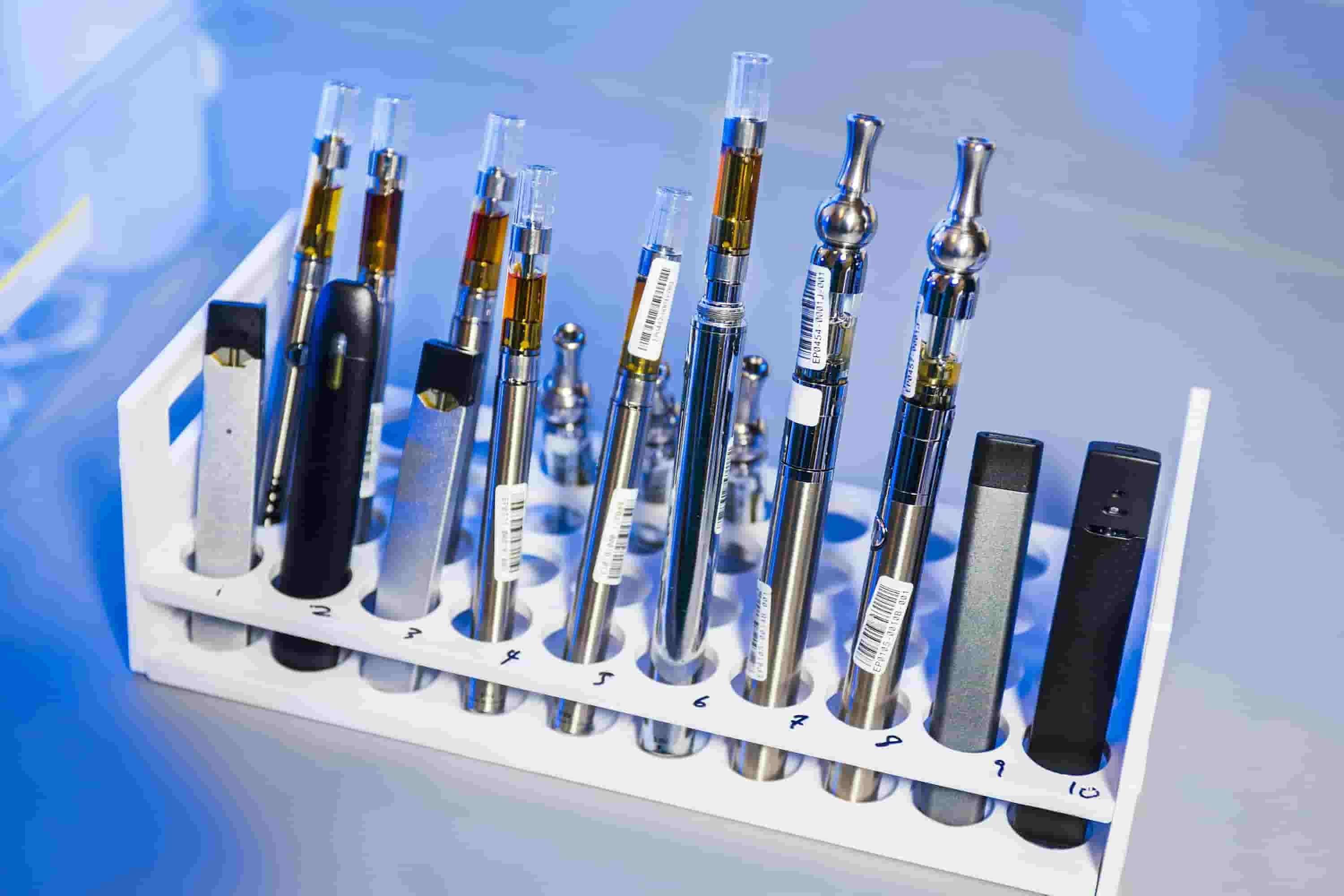
Recommendations for Safe Use
- Read ingredient lists thoroughly, prioritizing those free from known harmful additives.
- Store E-LIQUID products away from children and pets due to accidental poisoning risks.
- Moderate device settings to avoid overheating and potential chemical breakdown in the E-LIQUID.
- Consult medical professionals if you experience persistent cough or any adverse symptoms after vaping.

Understanding Regulatory Standards in the E-LIQUID Industry
Government agencies have begun to standardize E-LIQUID production, requiring clear labeling and limiting certain additives. Users should seek out E-LIQUID products that comply with these regulations as an added layer of protection when considering if are e cigarettes dangerous.
Comparing E-LIQUID Vaping to Traditional Cigarettes

Potential Benefits for Smokers Transitioning to E-LIQUID
- May lower exposure to toxicants compared to tobacco combustion.
- Offers flexibility in nicotine intake, supporting gradual cessation strategies.
- Eliminates many secondhand smoke risks, though some E-LIQUID aerosol particles may persist indoors.
Myths and Facts About E-LIQUID Safety
It is important to dispel misinformation about E-LIQUID and understand genuine risks. Claims that E-LIQUID is entirely harmless are misleading, but it does present a different risk profile compared to tobacco. Responsible use—limiting frequency, dosage, and monitoring device maintenance—can help minimize hazard exposure.
Are E Cigarettes Dangerous for All Users?
Young people, pregnant women, and those with respiratory conditions should refrain from using any nicotine or vape products, as the risks of E-LIQUID exposure and dependency are heightened. Long-term studies are still underway to precisely map health impacts across populations.
Future Trends: Research and Innovation in E-LIQUID Safety
With the ongoing evolution of E-LIQUID formulations and vaping technology, future research may provide improved insight into safety and health outcomes. Emerging trends emphasize the reduction of harmful additives, enhanced manufacturing oversight, and the inclusion of disclaimers about are e cigarettes dangerous on product packaging.
Supporting Public Health: Educating Consumers
Healthcare providers and educators must play a key role in guiding consumers about the safe use of E-LIQUID, advocating for transparent product labeling, and highlighting the importance of moderation.
Conclusion: Making Informed Decisions About E-LIQUID and Health
Deciding on E-LIQUID use demands knowledge of both its chemical makeup and regulatory status. While E-LIQUID offers harm reduction for some, understanding are e cigarettes dangerous enables users to weigh benefits versus risks. Choose quality products, consult health professionals, and stay updated on research to protect your wellbeing.
FAQ: E-LIQUID and E-Cigarette Safety
- What is the primary risk associated with E-LIQUID?
- The biggest concern is nicotine addiction, along with potential respiratory irritation from inhaled vapor.
- Are there differences in safety across E-LIQUID brands?
- Yes, products from regulated brands tend to be safer due to ingredient transparency and manufacturing standards.
- Can non-smokers use E-LIQUID products safely?
- It’s not recommended; non-smokers may experience negative health effects without benefits.
- Are e cigarettes dangerous for young users?
- Yes, younger individuals face heightened risks of addiction and developmental health consequences from nicotine exposure.