Effective Strategies to Quit Vaping: How to Give Up E Cigarettes
Recognize the Reasons
Understanding the motivation behind your decision to stop using e cigarettes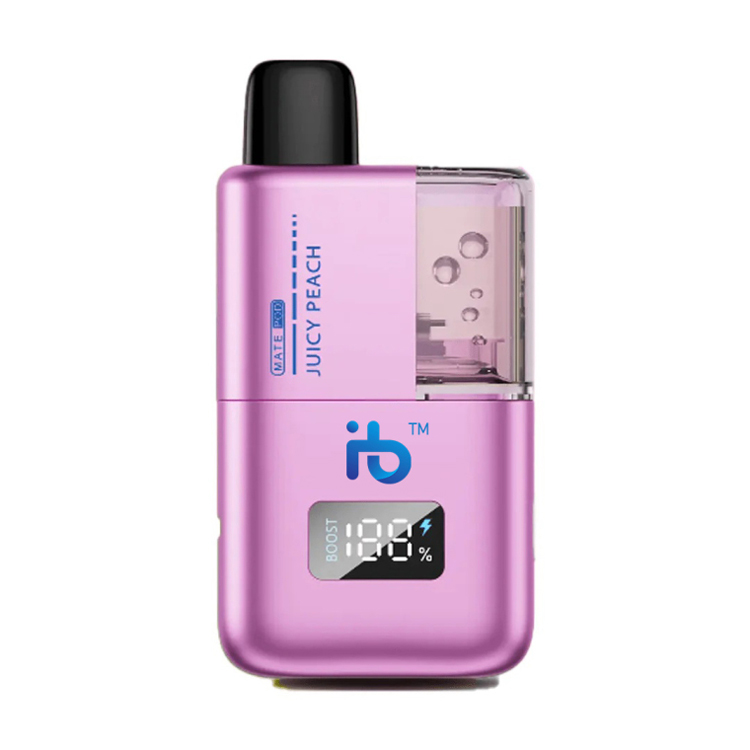 can bolster your resolve. Whether it’s for health improvement, financial savings, or social reasons, jotting down your motives can remind you why you started this journey.
Set a Quit Date
Choosing a quit date acts as a commitment signal to yourself. Mark this date on your calendar and prepare your mind to embrace the change wholeheartedly.
Seek Support
Having a robust support system can make a noteworthy difference in your journey. Engage friends, family, or seek professional help through counseling or support groups dedicated to quitting e-cigarettes.
Create a Plan
Avoid Triggers
Identify situations or environments that tempt you to use e-cigarettes and strategize ways to circumvent them. Alter your routine if necessary to avoid these temptations.
Explore Alternatives
When the urge hits, consider healthier alternatives such as exercise, meditation, or engaging in hobbies that distract you from cravings.
Focus on Well-being
Redirect your attention towards enhancing your overall health. Eating nutritious meals, maintaining regular exercise, and ensuring adequate sleep can help your body adjust positively to life without e-cigarettes.
Celebrate Milestones
Prepare for Slips
Understand that setbacks can happen. The key is to remain committed and resilient. Learn from any slips and use them as a stepping stone to strengthen your resolve.
Frequently Asked Questions
What are some common withdrawal symptoms when quitting vaping?
Common symptoms include irritability, anxiety, difficulty sleeping, and increased appetite. These are normal parts of the cessation process.
How long does it take for nicotine cravings to subside?
Cravings typically peak within the first few days but can gradually decrease over the weeks. Adopting coping strategies can aid in managing these cravings effectively.
Is it beneficial to use nicotine replacement therapy?

Nicotine replacement therapy, such as patches or gums, can help reduce withdrawal symptoms. Consult a healthcare professional to explore suitable options for you.