Vietnam is making significant strides towards public health improvement with the impending ban on e-cigarettes by 2025. As nations around the world grapple with the health implications of vaping and smoking, Vietnam is poised to take a firm stance against e-cigarettes, deemed harmful by health experts. The ban, planned to be implemented by 2025, reflects the country’s commitment to safeguarding its citizens from potential health risks associated with vaping.
Vietnam’s decision is based on extensive research and recommendations from health organizations, highlighting how e-cigarettes can be detrimental to users’ health and society overall. This initiative aligns with Vietnam’s broader public health goals and global trends, where many countries are reevaluating the role of e-cigarettes in society.
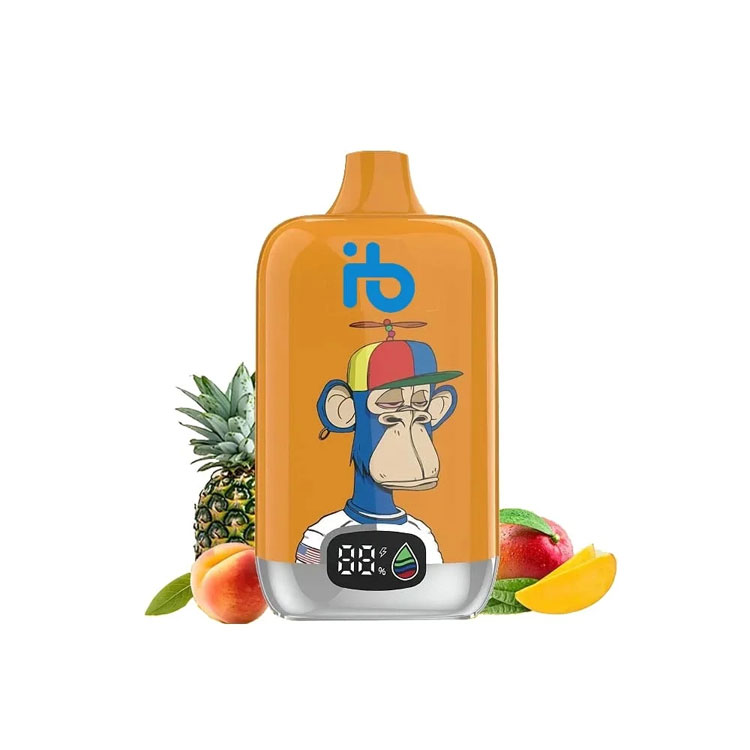
For Vietnam, the ban is not just about mitigating direct health risks. It also aims to curb the burgeoning appeal of vaping among the younger generation. Schools and parents have raised alarms about how e-cigarettes are marketed, appealing to youth with flashy designs and flavors like cotton candy and bubble gum. Vietnam believes that banning these products will reduce their allure and limit future generations’ exposure to potentially harmful habits.
Moreover, the ban contributes positively towards environmental goals, as e-cigarette waste, including batteries and cartridges, poses environmental hazards, adding more pressure on waste management systems. By removing e-cigarettes from the equation, Vietnam moves a step further in its sustainability journey.
Implications of the Ban
The ban’s implementation will likely face opposition from various sectors, including businesses relying on e-cigarette sales and users accustomed to vaping. Transition plans are essential, ensuring users receive support and resources to quit or shift towards healthier alternatives. Additionally, Vietnam must prepare for enforcing regulations and educating the public about the ban’s rationale and advantages.
- Healthier Population: By removing e-cigarettes, the nation is pushing for a healthier future, reducing healthcare costs linked to treating vaping-related diseases.
- Consumer Education: Vietnam plans substantial engagement campaigns, targeting awareness amongst the populace about the negative impacts of e-cigarettes.
- Global Influence:
 Vietnam’s stance might inspire similar actions across ASEAN regions, positioning it as a leader in health advocacy.
In conclusion, Vietnam’s resolve to ban e-cigarettes by 2025 is a bold, meaningful stride towards nurturing a healthier society, environment, and mental wellness amongst its citizens.
Common Questions
Will the ban affect tourists visiting Vietnam?
While tourists may bring personal supplies for private use, public sale and distribution will be prohibited.
What alternatives do former e-cigarette users have after the ban?
Vietnam plans to offer programs aiding users in transitioning to healthier habits, including counseling and nicotine replacement therapies.