Examining the Consequences of Utah’s 2024 Flavored E-cigarette Legislation

In recent years, the conversation surrounding e-cigarettes has escalated, provoking debate among health experts, policymakers, and consumers alike. As we approach 2024, the state of Utah prepares to implement a new law that will ban the sale and distribution of flavored e-cigarettes. This legislative move stems from growing concerns about the health effects these products have, particularly on younger demographics. But what does this ban mean for Utah and its residents? Our aim here is to explore the potential ramifications, both anticipated and unforeseen, of Utah’s flavored e-cigarette prohibition.
Understanding the Need for the Ban
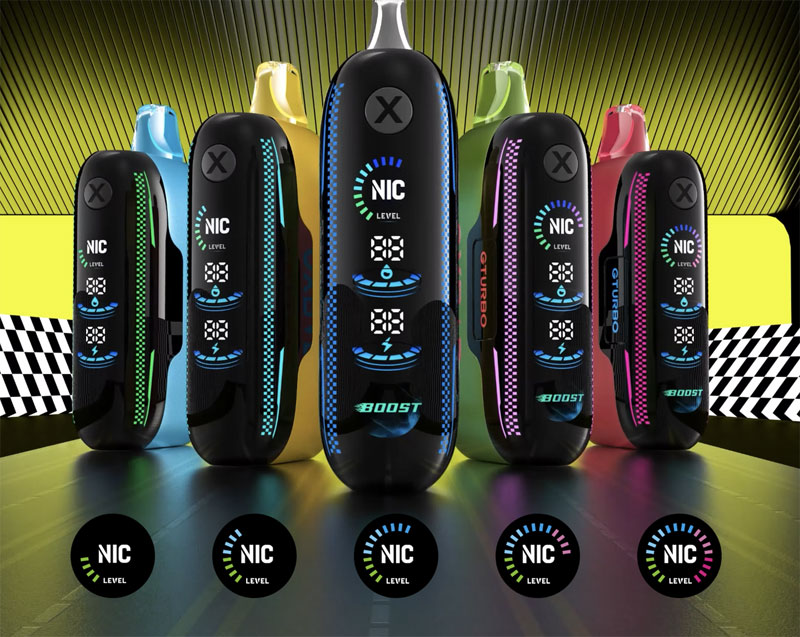
Numerous studies suggest that flavored e-cigarettes serve as a gateway for teens and young adults, enticing them into nicotine dependencies. Flavors like mango, mint, and berry are often cited as more appealing than traditional tobacco flavors, creating an allure that some argue is detrimental to developing brains. Utah’s decision to ban these products is predominantly driven by a desire to curb youth vaping. A statement from the Utah Department of Health emphasizes the need to protect the state’s youth from the clutches of nicotine addiction. This move aligns with broader national trends, echoing sentiments seen in legislation introduced in states like Massachusetts and New York.
Economic Implications
Beyond health considerations, the economic impact of banning flavored e-cigarettes in Utah cannot be overlooked. The e-cigarette industry is a substantial contributor to the state’s economy, with countless businesses relying on the sale of these products. A sudden shift in legislation will inevitably shake the market, potentially leading to a decrease in sales and revenue for local vape shops. Additionally, some fear that consumer demand may shift towards illegal or unregulated channels, posing further health risks and economic challenges. Nonetheless, supporters of the ban argue that safeguarding public health should take precedence over economic concerns.
Public Opinion and Compliance
The conversation around flavored e-cigarettes in Utah is polarized, with opinions split among residents. Advocates
of the ban believe it is a positive step toward reducing vaping among minors. In contrast, opponents consider it an infringement on personal freedoms and argue that adult consumers should have the right to choose. Furthermore, the enforcement of this ban poses its own set of challenges. Ensuring compliance will require increased oversight from law enforcement and community involvement, as authorities aim to monitor sales and consumption effectively.
While Utah’s flavored e-cigarette ban might seem straightforward in intent, the intricacies involved in its enforcement and the broader implications for society and the economy are complex. As Utah navigates these changes, the state may become a case study for other regions contemplating similar legislation. As we move closer to 2024, all eyes will be on Utah to determine the efficacy and outcomes of this ambitious public health initiative.
FAQ:
1. What types of e-cigarettes will be banned? The ban will specifically target flavored e-cigarettes, excluding traditional tobacco-flavored varieties.
2. How will the ban be enforced? Enforcement will involve regulatory measures, increased compliance checks, and community engagement to monitor illicit sales.
3. What are potential health benefits? Reducing access to flavored e-cigarettes is expected to lower youth vaping rates and subsequent nicotine addiction.