E-cigarettes: Exploring Their Impact on Popcorn Lung
In recent years, e-cigarettes have gained significant popularity as an alternative to traditional tobacco products. While they are often touted as a safer option, concerns have arisen over their potential link to popcorn lung—a condition scientifically known as bronchiolitis obliterans. This ailment damages the smallest airways in the lungs, leading to coughing, wheezing, and shortness of breath.
E-cigarettes work by heating a liquid containing nicotine, flavorings, and other chemicals to create an aerosol, which users inhale. Among these chemicals is diacetyl, frequently used to provide buttery flavoring in many e-cigarette liquids. Diacetyl has been implicated in causing popcorn lung in factory workers who produce microwave popcorn, hence the disease’s nickname. However, the presence of this chemical in e-cigarettes has raised alarms about its inhalation risks.
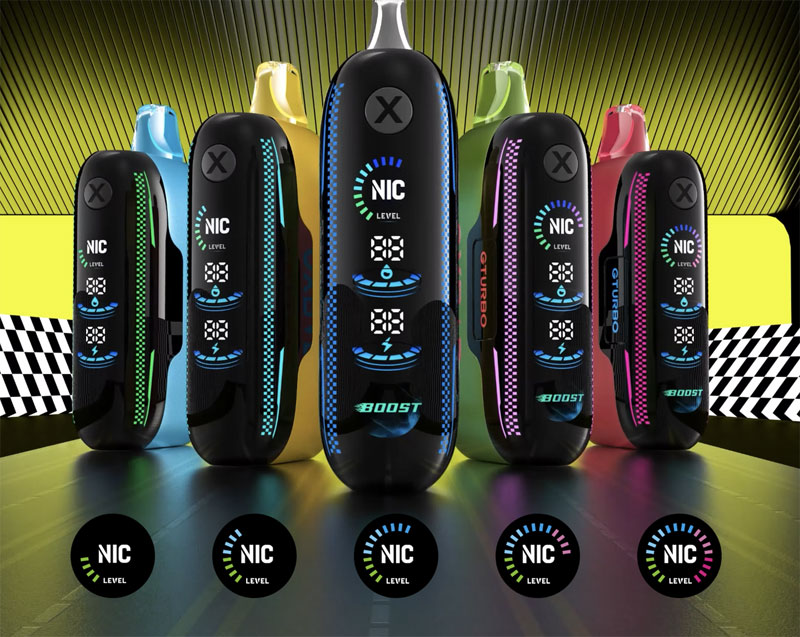
Although the link between e-cigarettes and popcorn lung is a topic of debate, studies have shown that certain e-cigarette flavors indeed contain levels of diacetyl that exceed safety thresholds. The potential for popcorn lung exists if users frequently inhale e-cigarette vapors containing this compound. However, quantifying this risk requires further scientific exploration as current understanding varies significantly.
The Science Behind Popcorn Lung
The development of popcorn lung stems from damage to the bronchioles, resulting in scarring and narrowing of these air passages. Diacetyl exposure, particularly over extended periods, exacerbates this condition. Although harmless when ingested, diacetyl becomes toxic when vaporized and inhaled, which is the crux of the concern regarding e-cigarette use.
Research conducted on lab animals has shown that exposure to diacetyl vapor leads to respiratory disease, but translating these findings to e-cigarette risk remains complex. Human respiratory systems differ, and controlled studies assessing direct correlations are limited. Despite this, the prominence of diacetyl in flavorings warrants cautious use and industry transparency.
Vaping advocates suggest that the amount of diacetyl present is far less than experienced by industrial workers, and many argue that the switch from smoking to vaping represents a net positive for lung health. Yet, detractors emphasize the importance of erring on the side of caution given the additive nature of inhaled chemicals and the potential long-term effects.
FAQs Regarding E-cigarettes and Popcorn Lung
- Is there a safe limit for diacetyl inhalation through vaping? While exact safe limits are continually researched, choosing e-liquids labeled as diacetyl-free is advisable to avoid potential risks.
- Can nicotine-free e-cigarettes still cause popcorn lung?
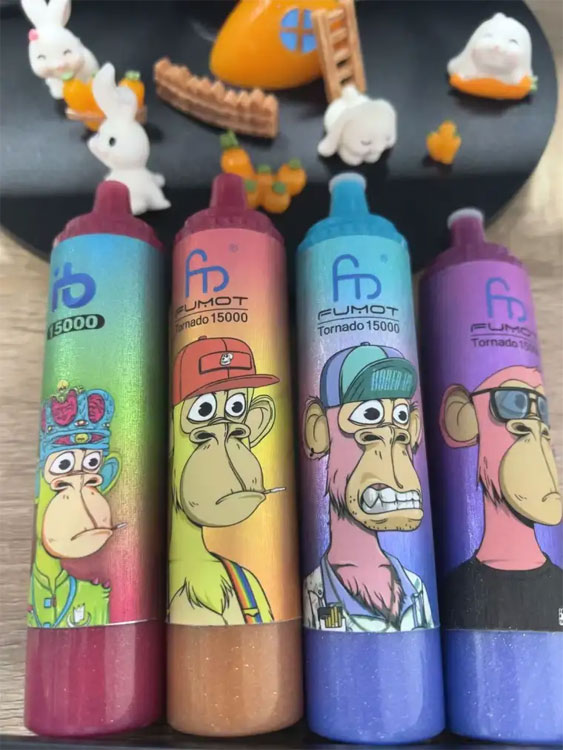 Yes, because nicotine isn’t the carcinogenic culprit for popcorn lung. It’s the other chemicals, like diacetyl, used for flavoring.
 - What actions are regulatory agencies taking? Agencies such as the FDA are working towards tightening regulations on e-cigarette contents, demanding transparency from manufacturers regarding chemical formulations.