In the realm of smoking alternatives, comparing the nicotine strength of e-liquids to that of traditional cigarettes is crucial. E-liquid nicotine level vs cigarette strength is a topic that garners interest due to its health implications and the quest for safer smoking solutions.
Understanding Nicotine Levels in E-Liquids
E-liquids, the fluids used in electronic cigarettes, come in various nicotine concentrations, typically measured in milligrams per milliliter (mg/ml). These can range from nicotine-free options to those containing up to 50 mg/ml. The choice depends on individual preferences and the user’s previous smoking habits.
Decoding Cigarette Nicotine Content
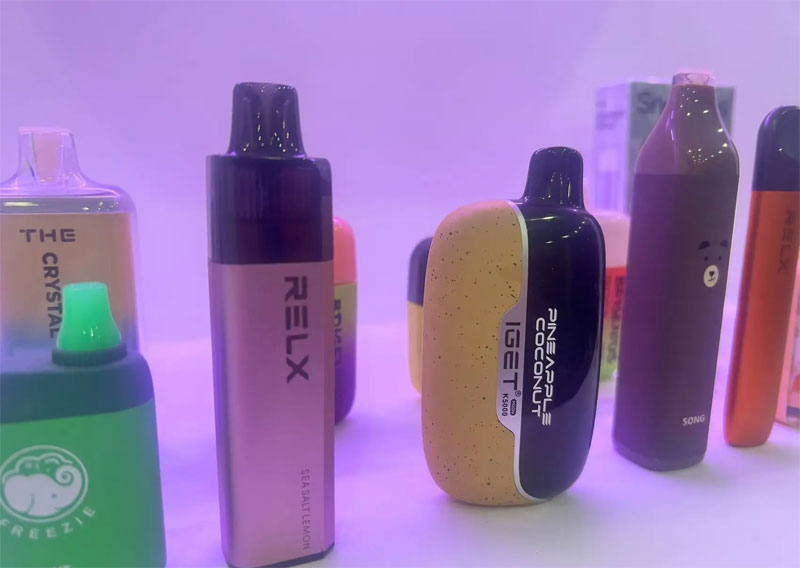
Traditional cigarettes, on the other hand, have a fixed nicotine content per stick, usually between 6 to 12 mg, though only a fraction is absorbed by the smoker. It’s vital to understand that the way nicotine is absorbed through vaping versus smoking differs significantly.
Absorption Rates Differ
When discussing e liquid nicotine level vs cigarette, it’s important to note the variance in absorption rates. Vaping may offer a more controlled release of nicotine, which can assist in tailoring usage to suit individual nicotine dependence levels.
Moreover, the method of vaping affects how much nicotine ultimately gets absorbed. Devices like sub-ohm tanks, which produce larger clouds, can lead to higher nicotine absorption than simple e-cigarette pens. In contrast, cigarette smokers often experience a rapid onset of nicotine effects.
Impact on Health and Addiction
Switching from cigarettes to e-cigarettes with controlled e liquid nicotine levels may present fewer health risks. This shift could reduce exposure to tar and other harmful chemicals found in cigarette smoke. However, it does not eliminate the risk of addiction, as nicotine remains addictive regardless of its source.
Regulators have aimed to standardize maximum permissible nicotine levels in e-liquids, seeking to protect users from potential health risks associated with high nicotine concentrations.
Personalizing Nicotine Intake
For those transitioning from smoking to vaping, mimicking their previous nicotine experience in favor of a softer, tailored approach may improve success rates. Many start with higher nicotine concentrations and gradually decrease, aiming to minimize nicotine dependency.
Behavioral and Psychological Considerations
It’s not just about the nicotine; the act of smoking—whether traditional or vaping—serves psychological and behavioral roles, providing sensory feedback through flavor and inhalation. E-liquids offer a variety of flavors, possibly aiding in user satisfaction and thereby assisting addiction recovery.
Nevertheless, the cultural habit of smoking is hard to break, and while e-cigarettes may simulate the act, addressing the root psychological dependencies is crucial.
Common Questions About Nicotine Levels
Can vaping be as satisfying as smoking?
Many users find that once the right e-liquid and device are found, vaping can be equally satisfying due to the ability to adjust nicotine levels and flavors.
Is it possible to overdose on nicotine through vaping?
While it’s rare, possible, especially with high-concentration e-liquids and powerful vaping devices. Users should be mindful of their intake and symptoms of nicotine overdose, such as dizziness and nausea.
Are flavored e-liquids a healthier choice?
Flavored e-liquids may reduce the urge to smoke by offering a pleasant experience, although the long-term health effects of these flavorings are still being studied.