Electronic cigarettes, commonly known as e-cigarettes, have gained popularity as an alternative to traditional smoking. But how does the intricate mechanism behind these devices work? Let’s delve into the components and functionality of e-cigarettes.
The Basics of Electronic Cigarettes
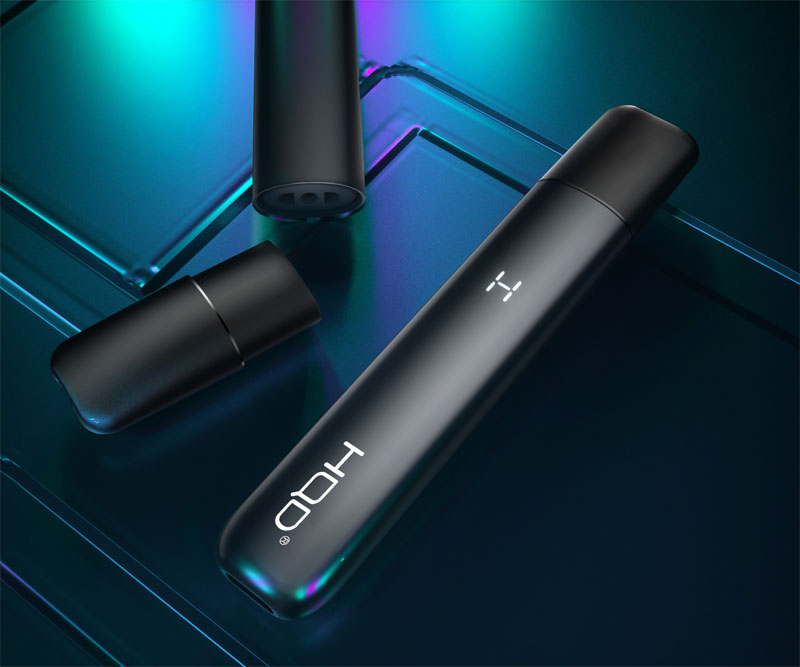
At the core, electronic cigarettes are battery-powered devices that vaporize liquid nicotine solutions allowing users to inhale or ‘vape’ rather than smoke. The basic structure of an e-cigarette comprises three key elements: the battery, the atomizer, and the e-liquid cartridge.
Battery Mechanics
Powering the electronic cigarette is a rechargeable lithium-ion battery. This battery supplies energy to the atomizer, which is the fundamental component required to produce vapor. Depending on the model, it may be a manually activated button or a sensor that detects the inhalation process, automatically activating the battery.
Atomizer and Vapor Production
The atomizer serves as the heart of the e-cigarette, typically consisting of a metallic coil. When activated, the coil heats up, transforming the e-liquid into vapor. Think of the atomizer like a kettle converting water into steam; the concept is quite similar but designed for inhalation.
The Role of E-liquid
E-liquids, also known as vape juices, are stored within a cartridge or tank attached to the e-cigarette. They contain a mixture of nicotine, flavorings, and a base of propylene glycol (PG) or vegetable glycerin (VG). Users can select flavors ranging from traditional tobacco to various fruits and desserts, personalizing their vaping experience.
Varieties of Electronic Cigarettes


There exists a broad spectrum of e-cigarettes, tailored to fit various vaping preferences. The simplest forms are known as cig-a-likes, mimicking the appearance of a conventional cigarette. For more seasoned vapers, there are Mods and Tanks, offering customizable options and larger vapor production.
E-cigarette Safety Considerations
While e-cigarettes are often marketed as a safer alternative, understanding the safety concerns associated is crucial. The main risks revolve around battery safety and the chemical components within the e-liquids.The usage of improperly charged batteries can lead to overheating and potential explosion incidents. Likewise, the ingestion of nicotine and other chemicals remains a concern for health officials, though it generally poses fewer risks than traditional smoking.
Exploring Future Innovations
The e-cigarette industry is continually evolving with emerging technologies aimed at enhancing user experience and ensuring greater safety. Some advancements include temperature control systems, smart batteries, and improved atomizers which promise longer lifespan and improved vapor quality.
Common Questions
What is the difference between propylene glycol and vegetable glycerin?
Both compounds are used for producing vapor; PG offers a stronger throat hit while VG contributes to a thicker vapor cloud. Many e-liquids combine both to balance various preferences.
Are electronic cigarettes truly safer than traditional smoking?
While e-cigarettes contain fewer harmful chemicals than conventional cigarettes, they still deliver nicotine and may pose health risks. Choosing e-cigarettes as a cessation tool is best discussed with healthcare professionals.
Can e-cigarettes be used to quit smoking?
Some users find e-cigarettes helpful for reducing smoking habits, though results vary. The efficacy of e-cigarettes in smoking cessation continues to be researched for conclusive results.