E-cigarettes have surged in popularity, particularly among students, prompting educators and policymakers to delve deeper into understanding student perspectives on this phenomenon.
Understanding the rise in e-cigarette usage among students requires insight into both the factors driving this trend and the impacts it has on young people.
Introduction to E-Cigarette Usage in Academic Settings
With a myriad of flavors and the perception of being a less harmful alternative to traditional cigarettes, e-cigarettes have captivated many young users.
The Appeal of E-cigarettes
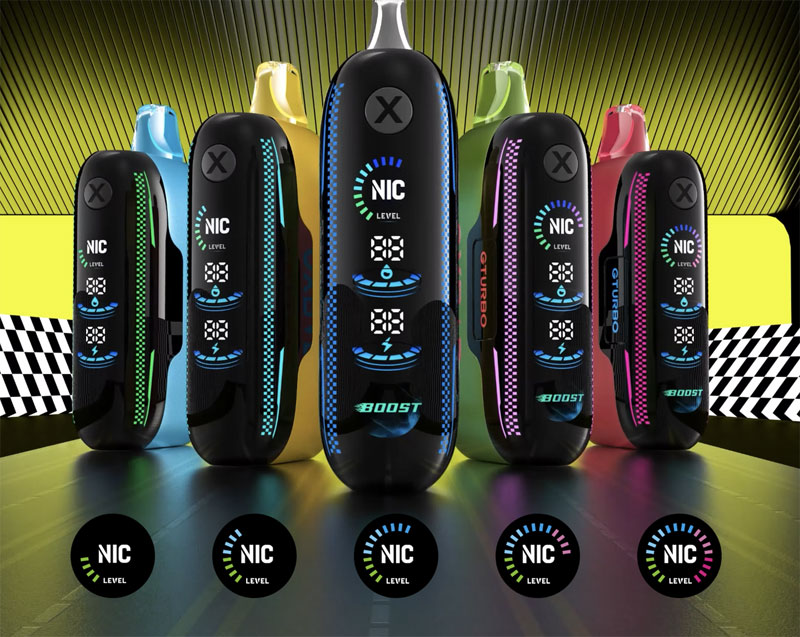
Particularly appealing to students are marketing strategies that emphasize bold flavors and sleek devices. The allure is intensified by social influences, as well as the belief that e-cigarettes are less addictive or harmful. However, ongoing research continues to investigate the long-term health effects of e-cigarette usage.
Student questionnaires regarding e-cigarettes often reveal intriguing patterns. They demonstrate variations in usage across different age groups, genders, and educational levels. By comprehensively examining these responses, educators can tailor their educational approaches to better address the specific challenges and misperceptions faced by students.
Key Insights from Student Questionnaires
- Many students begin using e-cigarettes due to peer pressure or curiosity.
- Misunderstandings regarding the safety and addictiveness of e-cigarettes are prevalent amongst adolescents.
- A considerable proportion of students believe that e-cigarettes may aid in quitting traditional smoking habits, although this is not substantiated by scientific evidence.
Through targeted questionnaires, institutions have been able to curate educational content aimed at dispelling myths about e-cigarettes.
Benefits of Conducting E-Cigarette Questionnaires
Questionnaires serve as critical tools in gathering data on the attitudes and behaviors of students towards e-cigarettes, ultimately aiding institutions in developing targeted interventions.
The anonymity afforded by questionnaires encourages honest responses, offering a candid snapshot of current trends and perceptions among the youth demographic.
Questionnaire results are instrumental in shaping anti-smoking campaigns and educational curriculums, thus fostering healthier choices among students.
Challenges in Questionnaire Development
Creating e-cigarette questionnaires poses its own challenges. It requires careful consideration to ensure questions are objective, comprehensive, and capable of capturing the nuances of student attitudes.
Furthermore, balancing the depth of inquiry with length and format is crucial to maximizing response rates and quality of data collected.
Future Directions
As their popularity among students continues to grow, informed perspectives derived from these questionnaires can guide future policies and education strategies.
Long-Term Impacts on Student Health
While e-cigarettes are often marketed as safer alternatives, ongoing research seeks to unravel their long-term effects on physical health, addiction potential, and their repercussions on mental wellbeing.
FAQs
What are e-cigarettes?
E-cigarettes are electronic devices that vaporize a liquid containing nicotine, flavors, and other chemicals to simulate smoking.

Why are e-cigarettes popular among students?
They are often marketed as safer alternatives to traditional cigarettes, often with enticing flavors and discrete designs.
Are e-cigarettes really a safer option?
The safety of e-cigarettes remains debated, as research continues to assess their potential health impacts.