Exploring the Components of E-Cigarettes: What Do They Really Contain?
The debate around e-cigarettes often centers on their ingredients. Many ask: do most e-cigarettes contain only water and flavoring, or is there more to the story? To accurately answer this, it’s crucial to investigate what actually goes into these popular vaping devices.
Common Ingredients Found in E-Cigarettes
E-cigarettes generally consist of a cartridge filled with e-liquid. The primary components of this liquid include:
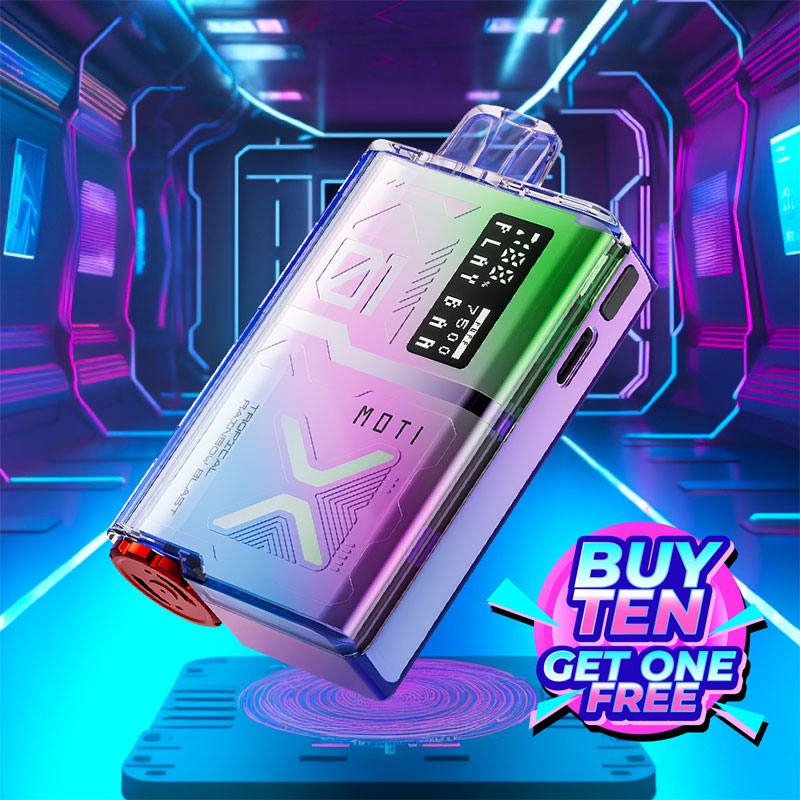
- Propylene glycol (PG) and vegetable glycerin (VG): These substances are the primary carriers for flavors and nicotine. PG is known for its ability to simulate the throat hit similar to smoking a traditional cigarette, while VG provides a smoother feel.
- Flavorings: These are added to create various taste sensations, ranging from fruity to dessert flavors.
- Nicotine: While some e-cigarettes are formulated without nicotine, many do include this addictive substance to satisfy the cravings of former smokers.
The Role of Water in E-Cigarettes
Water is indeed a component of e-liquids, but contrary to some beliefs, it is not the sole ingredient. Its presence mainly contributes to the vapor that users inhale. It’s important to understand that water only represents a small percentage of the e-liquid composition.

Safety Concerns and Misconceptions
There is a common misconception that e-cigarettes are simply harmless because they allegedly only contain water and flavoring. This oversimplification, however, ignores the broader spectrum of chemicals potentially involved in vaping and the risks they may pose. Some e-liquids may contain substances classified as safe when ingested but can be harmful when inhaled.

Realistically, while e-cigarettes might be less harmful than traditional tobacco products due to the absence of combustion, there are still health risks associated with their use. More research needs to be done to understand the long-term implications fully.
Are E-Cigarettes Regulated?
Regulation varies significantly by region. In many areas, e-cigarette components are monitored by governmental bodies to ensure consumer safety, but standards can differ. It’s crucial for users to purchase products from reputable suppliers who adhere to safety regulations.