In recent discussions surrounding smoking and alternative nicotine delivery systems, a pressing question often arises: can electronic cigarettes trigger smoke detectors? With the increasing popularity of electronic cigarettes, understanding their interaction with smoke detectors becomes crucial, especially for those who often find themselves in environments with sensitive fire safety systems. Electronic cigarettes differ from traditional smoking as they emit vapor rather than smoke, which theoretically should make them less likely to set off smoke alarms. However, can we wholly rely on this assumption? This article aims to delve into the nuances of e-cigarettes and their potential to activate smoke detectors.
What Components in E-Cigarettes Might Influence Smoke Detectors?
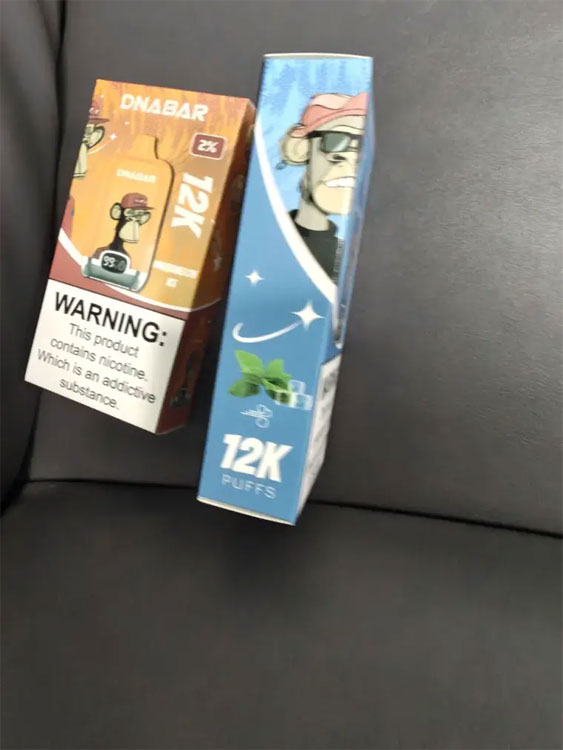
At the core of an electronic cigarette is the aerosol produced, commonly referred to as vapor. This vapor consists of water, nicotine, propylene glycol, and various flavoring agents. Most smoke detectors function by sensing smoke particles in the air, typically using either ionization or photoelectric sensors.
The crucial aspect to consider is the density and particle size of the vapor emitted by e-cigarettes. Under certain conditions, if the vapor is dense enough, it may resemble smoke particles, potentially interfering with some smoke detection systems. Nevertheless, the likelihood of this happening commonly depends on the brand of the smoke detector and its sensitivity level.
Why Might Some Smoke Detectors Be Triggered By E-Cigarettes?
- Density of the Vapor: Some electronic cigarettes can produce thick vapor clouds that might resemble smoke when tested against certain smoke detectors. This is especially true in enclosed spaces.
- Detector Type: Smoke detectors that function via photoelectric means may be more susceptible since they detect visual obstructions caused by particles. Ionization detectors, which respond to the chemical composition of smoke, are less likely to be affected.
- Ventilation: Poor ventilation in an area usually exacerbates the density problem as vapor doesn’t disperse swiftly, increasing the chances of a false alarm.
Ensuring Safety While Using Electronic Cigarettes
The satisfactory use of electronic cigarettes without inadvertently triggering smoke alarms largely revolves around awareness and precautions. Here are some measures that can prevent false alarms:
- Understand the smoke detector type installed in your environment and its reaction to dense vapors.
- Always opt for well-ventilated spaces when using e-cigarettes to ensure quick vapor dispersion.
- Be mindful of other nearby smoke detectors, especially those in public places or lodging spaces.
- Avoid taking prolonged draws which generate copious amounts of vapor.
“It is better to enjoy your vaping experience than face unexpected fire emergencies.”
Seeking Expertise on the Matter
Manufacturers of smoke detectors often publish documentation regarding what triggers their alarms. Checking such details or consulting with professionals can offer a deeper understanding of interactions between e-cigarettes and smoke detectors. Moreover, advanced models of smoke alarms now include smart sensors calibrated to recognize the difference between smoke and vapor, thus reducing the odds of false alarms. Investing in these systems might provide peace of mind for regular vapers.
FAQs About E-Cigarettes and Smoke Detectors
- Can all types of e-cigarettes set off smoke detectors?
- No, not all e-cigarettes will set off smoke detectors. It largely depends on the vapor density and the type of smoke detector present.
- Is there a way to test my smoke detector with e-cigarettes safely?
- Yes, conduct this in controlled conditions and ensure adequate ventilation to observe whether vapor density affects your specific detector type. It’s advisable to inform someone responsible before testing to prevent panic.
- What steps can I take if my e-cigarette sets off a smoke detector?
- Ensure the area is well-ventilated, minimize usage in sensitive locales, and check if smoke detector settings can be adjusted. Professional advice might be needed for persistent issues.