The rise of electronic cigarettes and Velo has led to a significant shift in how nicotine is consumed. As more people seek alternatives to traditional cigarettes, the question arises: how many puffs of an e-cigarette equal a cigarette? Understanding this can help both new and experienced users tailor their nicotine intake to meet personal needs.
Defining E-Cigarettes and Velo
Both e-cigarettes and Velo represent modern, less harmful ways to experience nicotine compared to traditional smoking. An e-cigarette is an electronic device that heats a liquid—usually composed of nicotine, flavoring, and other chemicals—to produce a vapor, which users inhale. Velo, on the other hand, is a nicotine pouch you place under your lip that slowly releases nicotine without the need for smoke or vapor. The key difference here is no combustion, making these alternatives potentially less harmful.
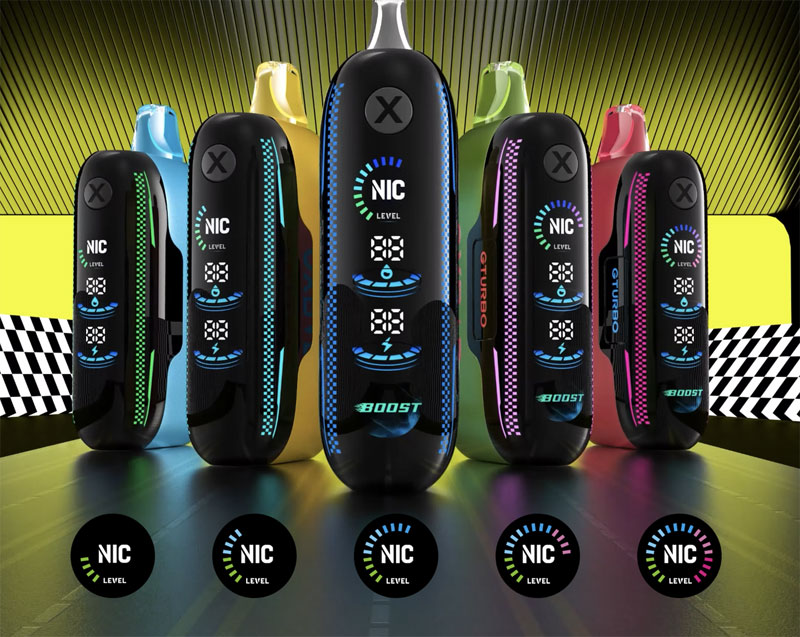
The New Experience of Nicotine

Traditional smoking has long been associated with a particular sensory and addictive experience. Nicotine pouches like Velo and e-cigarettes differ in how nicotine is absorbed and how long the effects last. For instance, using an e-cigarette mimics the process of smoking a cigarette, potentially providing more immediate control over nicotine intake, while Velo offers a steadier, more subtle release.
Assessing the Equivalence
To compare these new forms to traditional cigarettes, one metric often used is “puffs.” Generally, one cigarette can yield anywhere from 10 to 15 puffs. So, for e-cigarettes, calculating how many puffs of e-cigs are needed to match a cigarette’s nicotine can be tricky. Factors such as the nicotine strength of the e-liquid, the device’s efficiency, and your personal usage style play crucial roles.
Nicotine levels in e-liquids are typically measured in milligrams per milliliter (mg/ml). If we consider a 12 mg/ml nicotine strength, around 10–15 puffs from an e-cigarette can be assumed to deliver a similar amount of nicotine as one traditional cigarette. On the flip side, Velo’s nicotine pouches come with measured doses, making it easier to gauge as compared to e-cigarettes.
Key Factors Impacting Nicotine Absorption
- Nicotine concentration in e-liquid or pouches
- Personal inhaling habits
- Type of device used
- Frequency of puffing or usage duration
Why Choose Velo or E-Cigarettes?
A primary reason for selecting e-cigarettes or nicotine pouches over conventional cigarettes is to reduce exposure to harmful substances found in combustible cigarettes. Nicotine itself carries addiction risks but eliminating the combustion element drastically lowers risk levels associated with tar and carcinogens.
Moreover, products like Velo provide an odorless, discreet experience devoid of secondhand smoke issues, which enhances social acceptability. E-cigarettes offer varied flavors contributing to a personalized nicotine encounter.
Common Queries About E-Cigarettes and Velo
Can Velo help smokers quit?
While Velo and other nicotine alternatives provide a lower-risk option, their role in smoking cessation isn’t directly medicinal. However, the controlled nicotine release can aid in managing withdrawal symptoms when stopping smoking.
What are some side effects of using e-cigarettes?
The most common side effects include dizziness, dry mouth, and throat irritation. Remember, while safer than smoking, e-cigarettes still contain nicotine, which is addictive.
Is it safe to combine Velo with e-cigarettes?
Combining both isn’t recommended due to nicotine overdose risks. Users should monitor their intake and keep to one product type to avoid excessive nicotine levels, which can lead to adverse effects.
In conclusion, understanding the dynamics of electronic devices and how they stack against traditional smoking methods can empower users to make informed choices that align with their health goals. Balancing innovation with mindfulness ensures safety remains at the forefront of this evolving nicotine landscape.