Pregnancy Safety Guide: Understanding Risks, Myths and Safer Alternatives
Expectant parents often face confusing advice about nicotine delivery systems; this guide focuses on evidence-based information about elektronik sigara and e cigarette femme enceinte, helping you weigh risks, dispel myths and explore safer options during pregnancy.
Why pregnancy changes the risk profile
Pregnancy is a sensitive period when substances inhaled or ingested by the mother can affect fetal development. The placenta does not fully protect the fetus from chemicals, so any product containing nicotine, solvents, or flavor additives deserves careful scrutiny. Public health guidance recommends that pregnant people avoid nicotine exposure as much as possible because nicotine can impair fetal brain and lung development.
Core concerns with nicotine and inhaled products
- Nicotine exposure: Nicotine is a vasoconstrictor that may reduce blood flow to the placenta, increasing risks of low birth weight, preterm birth and developmental issues.
- Respiratory effects: Aerosolized particles and solvents used in vaping can irritate the respiratory tract and may contain byproducts formed at high temperatures.
- Unknown additives: E-liquids sometimes include flavors and chemicals with limited safety data for pregnancy; inhalation toxicity can differ from ingestion toxicity.
What scientific evidence says
Large-scale clinical trials specifically testing electronic cigarettes in pregnancy are limited. Observational studies suggest that while switching from combustible tobacco to an alternative that delivers nicotine might reduce exposure to combustion products, nicotine itself remains harmful. Many public health bodies therefore advise complete nicotine cessation rather than substitution during pregnancy.
Comparative harm: cigarettes vs. electronic nicotine delivery
Combustible cigarettes produce tar, carbon monoxide and thousands of combustion byproducts that are known teratogens and toxins. Switching from smoked tobacco to an elektronik sigara or e cigarette femme enceinte product may lower some exposure, but it does not eliminate nicotine-related risks and may introduce other aerosol-specific hazards.
Common myths and the real facts
Myth 1: Vaping is completely safe in pregnancy
Fact: Vaping reduces exposure to some toxicants present in cigarette smoke but still delivers nicotine and other poorly characterized compounds. Safety in pregnancy is not proven.
Myth 2: Flavored e-liquids are harmless because they are food-grade
Fact: Food-grade approval applies to ingestion, not inhalation. Heating flavors changes chemistry and may create harmful byproducts when inhaled.
Myth 3: Nicotine replacement therapy (NRT) is more dangerous than vaping
Fact: Established NRT forms (patches, gum) have controlled doses and longer safety records in pregnancy in some studies; they are often preferred when medically supervised cessation is necessary.
Practical recommendations for pregnant people
Health-oriented steps to reduce harm and increase safety:
- Prioritize complete cessation: The safest option is to stop all nicotine-containing products. Consult your healthcare provider for structured cessation support.
- Use proven cessation tools: Behavioral counseling combined with licensed cessation aids (chosen under medical guidance) provides the best evidence-based approach.
- Avoid unregulated devices and homemade e-liquids: These may contain unpredictable concentrations of nicotine and contaminants.
- Seek specialized support: Maternal health clinics and smoking cessation services offer pregnancy-focused plans that balance risks and benefits.
When alternatives are considered
In cases where immediate complete cessation seems unlikely or previous attempts have failed, clinicians may evaluate alternatives. This process typically includes a personalized risk/benefit discussion. If an alternative nicotine delivery method is used, clinicians emphasize minimizing dose and duration.
How clinicians approach nicotine use in pregnancy
Health professionals follow stepped approaches: assess nicotine dependence, offer counseling, provide approved pharmacotherapies when appropriate, and schedule follow-ups. Documentation and careful monitoring help reduce fetal exposure while supporting maternal wellbeing.
Role of shared decision-making
Shared decision-making lets pregnant people and clinicians weigh individual circumstances, past quit attempts, mental health and social factors to choose the most appropriate cessation strategy.
Safer behavioral strategies
Non-pharmacologic interventions can be powerful and include: intensive counseling, cognitive behavioral therapy (CBT) for smoking cessation, digital programs and text-based support, mindfulness and stress-management techniques, and social support networks. Combining behavioral methods with medical oversight improves quit rates and reduces relapse risk.
Practical tips for staying nicotine-free
- Identify triggers and replace rituals (e.g., replace vaping breaks with short walks).
- Create a quit plan with set milestones and rewards for progress.
- Inform friends, family and work colleagues so they can provide support.
- Remove devices, cartridges and paraphernalia from the home and car to reduce temptation.
Regulatory and quality considerations
Products labeled as elektronik sigara or marketed toward specific populations (including women) vary widely in quality. Regulatory oversight differs by country; some jurisdictions restrict flavors or require ingredient disclosure, while others have minimal controls. Purchase from reputable, regulated sources only and avoid counterfeit or black-market products.
Labeling and nicotine concentration
Many e-liquids indicate nicotine strength in mg/mL. For pregnant people, even low concentrations are not risk-free. Be cautious of mislabeled products and seek professional advice rather than self-medicating with unverified strengths.
Addressing mental health and social determinants
Nicotine use during pregnancy is often tied to stress, social factors and mental health. Effective cessation plans must address these root causes—access to mental health care, housing stability, and financial or social support can significantly influence success. Clinicians should screen for depression and anxiety and integrate appropriate treatments into cessation planning.
How to discuss vaping with family and partners
Open, nonjudgmental conversations work best: focus on health goals for both parent and unborn child, share up-to-date information, and develop a supportive plan together. Partners who smoke should be encouraged to quit as well to reduce secondhand exposure and create a smoke-free home environment.
Egg, embryo and breastfeeding considerations
Nicotine exposure before implantation and during early organogenesis may carry risks, and exposure during breastfeeding can pass nicotine via breast milk. If a parent is breastfeeding, clinicians typically recommend cessation and may guide the use of approved, low-dose NRT if needed under medical supervision.
Risk communication and avoiding misinformation
Online and anecdotal claims about miraculous safe alternatives circulate widely. Verify sources, prefer peer-reviewed studies and official public health guidance, and consult healthcare professionals experienced in maternal-fetal medicine.
Reliable information sources
Trusted sources include national public health agencies, obstetrics and gynecology societies, and smoking cessation organizations. These bodies regularly update guidance as evidence evolves.
Practical checklist before considering any nicotine product during pregnancy
- Discuss with your obstetrician or midwife before starting or stopping any nicotine product.
- Avoid self-directed substitution from cigarettes to elektronik sigara
 or e cigarette femme enceinte without clinical oversight.
 - Prefer evidence-backed cessation programs combining counseling and medical options where needed.
- Keep follow-up appointments to monitor maternal and fetal health while attempting cessation.
Summary
While electronic nicotine delivery systems can reduce exposure to some toxicants compared with smoked tobacco, they are not risk-free in pregnancy because of nicotine and other inhaled constituents. The recommended approach remains complete cessation supported by healthcare professionals; if alternatives are explored, they should be chosen and monitored by clinicians to minimize harm.
Key takeaways
Avoid nicotine where possible — nicotine poses developmental risks; seek professional cessation support — evidence-based programs and medical advice are preferred; do not assume flavored or food-grade means safe to inhale — inhalation chemistry differs from ingestion; use regulated products only if advised by clinicians and under supervision.

Next steps for someone concerned about nicotine use in pregnancy
Make an appointment with your prenatal care provider, prepare a history of tobacco or vaping use, and be ready to discuss previous quit attempts and triggers. Ask about pregnancy-specific cessation programs and available behavioral supports in your area.
This information is educational and not a substitute for personalized medical advice; always consult your healthcare provider for recommendations tailored to your situation.
FAQ
Is switching to an electronic vapor product safer than smoking during pregnancy?
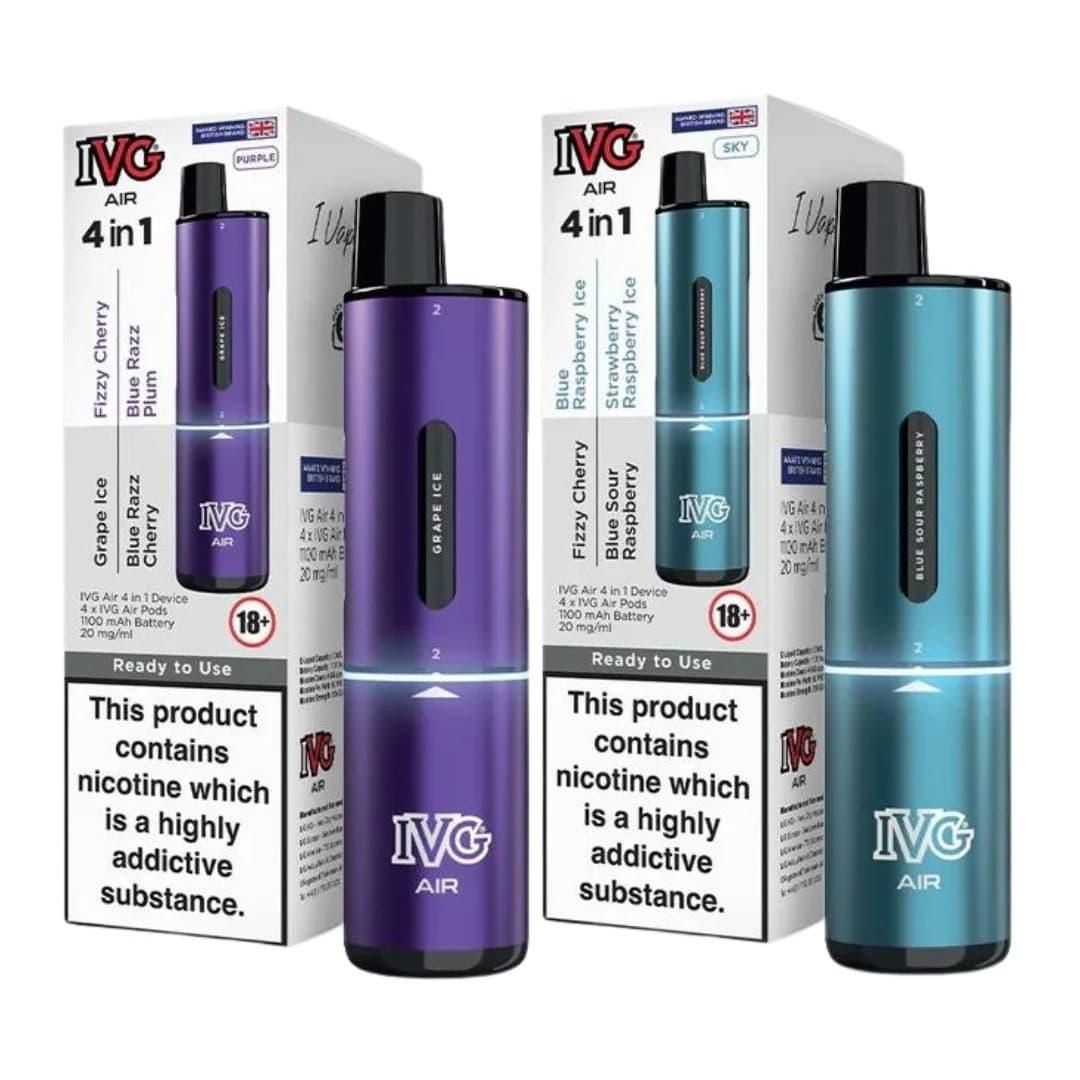
Switching may reduce exposure to combustion products but does not eliminate nicotine-related risks; complete cessation remains the safest option.
Are nicotine patches or gum safer alternatives?
Licensed nicotine replacement therapies have a longer record in pregnancy under clinical supervision and may be recommended when behavioral methods alone are insufficient; discuss with your clinician.
Can flavors in e-liquids harm the fetus?
Possibly—flavoring compounds heated and inhaled can form new chemicals whose prenatal safety is not established, so caution is advised.