Understanding What Constitutes E-Cigarettes
In the realm of modern vaping, there is often a misconception that most e-cigarettes only contain water and flavoring. While some people might believe this simplification, the reality is far more complex. E-cigarettes utilize a liquid mixture known as e-liquid or vape juice, which is designed to mimic the sensation of smoking traditional cigarettes without many of the associated health risks.
One central component of e-liquids is nicotine, a powerful stimulant found in most tobacco products. While nicotine-free options are available, they are often distinguished clearly to cater to those seeking to avoid addictive substances. Apart from nicotine, e-liquids primarily contain propylene glycol (PG) and vegetable glycerin (VG), both of which serve as carriers for nicotine and flavoring, contributing to the vapor’s density and throat hit. Flavoring—a critical element—adds the desired taste profile and can range from fruity to traditional tobacco flavors.
Key Ingredients in E-Cigarettes
- Nicotine: Present in most vapes unless specified otherwise; responsible for the addictive property.
- Propylene Glycol (PG): An odorless liquid that facilitates a strong hit and serves as a flavor carrier.
- Vegetable Glycerin (VG): Thicker than PG, contributing to vapor production and offering a smoother inhale.
- Flavoring: Defines the taste of the vapor, available in countless variations to suit personal preferences.
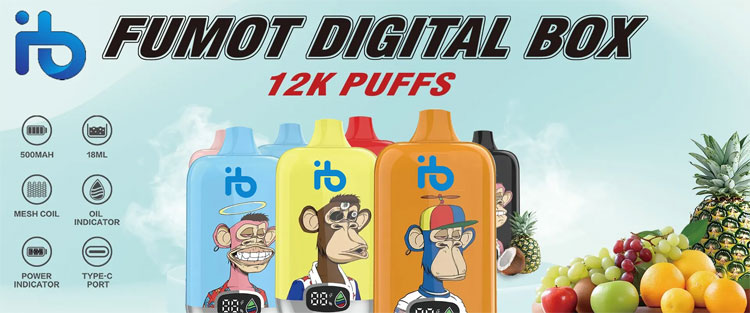
The Role of Water in Vaping
While examining e-cigarette composition, it’s crucial to note that water is generally not a fundamental component of the liquid solution. Contrary to popular belief, most formulations use PG and VG in dominant proportions, with minimal or no water involved. This misapprehension likely stems from the smooth vapor experience, which seems akin to water vapor.
Misconceptions Addressed
To better grasp the intricate makeup of e-liquids, let’s dispel some common misconceptions:
- Water as a main ingredient: Easily confused due to vapor appearance, but not a primary component.
- Flavor without nicotine: An option is available to those seeking non-addictive vaping.
- Vaping safety: Often misunderstood; while less harmful than smoking, it is not entirely risk-free.
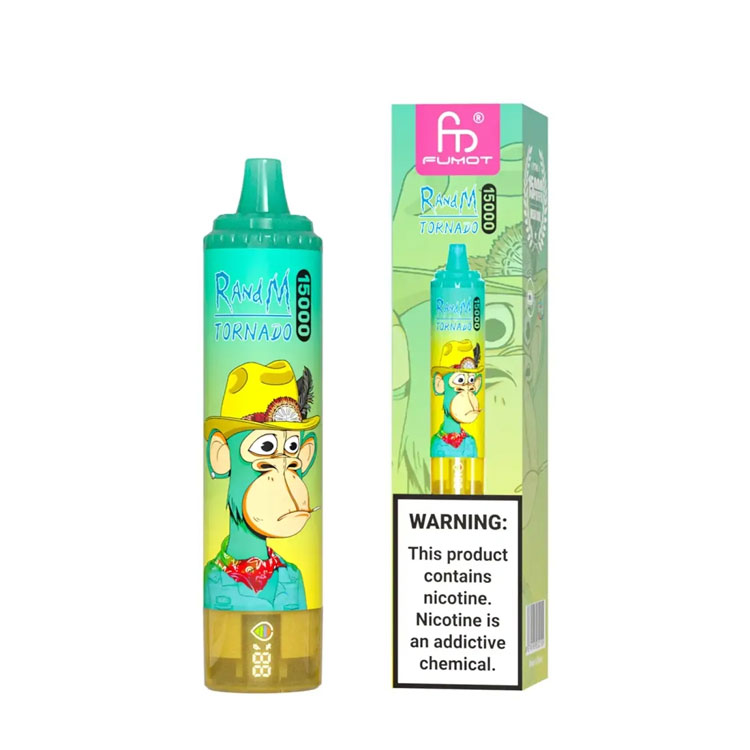 Understanding these nuances not only aids in safer consumption but also empowers users with informed choices, ensuring a responsible and enjoyable vaping experience.
Frequently Asked Questions
Q: Can e-cigarettes help quit smoking?
A: E-cigarettes are often used as a tool for smoking cessation by delivering nicotine without the harmful tar and chemicals in traditional cigarettes, though results vary among users.
Q: Are nicotine-free e-liquids safe?
A: While generally safer than nicotine-containing options, they still contain PG and VG, which can affect individuals differently. Consult with healthcare professionals if concerns arise.
Q: Do e-liquids contain harmful substances?
A: Some formulations may contain additives or impurities, so opting for reputable brands ensures higher quality and minimizes potential risks. Always check ingredient lists thoroughly before purchase.