A practical travel companion: balancing safety, trends and rules for today’s trip
Travelers who are mindful of both modern conveniences and strict transport rules often ask for clear, reliable information about two distinct but sometimes intersecting concerns: choosing trusted online vendors and understanding device-specific air travel regulations. This guide aims to help readers make informed choices when they search for a trusted vendor like nhà cái uy tin in the Vietnamese market context or when they research how to carry an e cigarette airplane safely while moving between cities and borders. The material below is organized to support search intent related to buying from reputable sources and complying with aviation safety rules, and it uses clear SEO-friendly headings, emphasized keywords and practical examples to aid discoverability and value.
Why reputation matters: selecting a reliable vendor before travel
When preparing for a trip, many consumers look for reputable merchants and service providers. The term nhà cái uy tin reflects a desire for trustworthiness and integrity. Whether that term is used in the context of betting platforms, retail sources, or general e-commerce, the principle is the same: prioritize vendors who demonstrate transparency, customer support, clear terms of sale and fair dispute resolution. Before purchasing devices or nicotine products abroad, research seller reviews, independent ratings, and available certification. Good vendors typically publish product safety information, battery handling guidelines, and instructions that align with airline or local regulations.
Checklist for vetting vendors
- Verify an online vendor’s business registration and contact details, and prefer sellers with verifiable physical addresses.
- Check independent reviews across several platforms: forums, social media, and third-party review sites.
- Confirm warranty policies and return procedures in writing, especially for electronic devices.
- Ask about battery types and shipping practices for lithium-based components; sellers who know airline rules indicate higher competence.
- Prefer sellers who provide clear, multilingual safety documentation when ordering internationally.
Navigating airline regulations for electronic smoking devices
Most international carriers treat devices commonly described as e cigarette airplane items under specialized rules. These regulations are shaped by safety concerns—primarily lithium battery risks and the potential for misuse onboard. Generally, airlines require that electronic nicotine delivery systems (ENDS) be carried only in carry-on baggage, with batteries either installed or removed and stored safely to prevent short circuits. Spare lithium batteries are often required to be stored in protective sleeves or original packaging. Always check the specific airline’s rules before your flight, as national aviation authorities and carriers may enforce different limits on battery watt-hours, liquid nicotine concentrations, or device activation during flight.
Typical airline restrictions
- Devices containing lithium batteries: carry-on only; no checked baggage storage.
- Spare batteries: individually protected and carried in the cabin; many airlines limit capacity (e.g., maximum watt-hour rating).
- Refillable nicotine liquids (e-liquids): follow liquid container rules (often 100 ml/3.4 oz quantitative limits) and local rules for nicotine content.
- Activation: using e cigarette airplane devices in-flight is prohibited; never attempt to vape on board.
- Local law compliance: some countries ban certain flavors, nicotine concentrations or devices outright; knowledge of destination rules is essential.
Safe packing and battery handling for flights
Proper packing keeps devices and people safe. Use protective cases to avoid accidental button presses, insulate exposed battery terminals, and store any loose batteries in plastic sleeves or original packaging. Many incidents are caused by loose batteries contacting metal objects in checked bags. For an optimal travel kit, include a travel case for your device, cleaning supplies that comply with liquid rules, and documentation about the device and battery specifications in case security personnel request proof. If you plan connection flights, check each carrier’s website for policy differences; some low-cost operators enforce stricter limits than major international lines.
Security screening and conversations with authorities
At security checkpoints, transparently declare your devices when required and follow officer instructions. Officers are trained to identify batteries and devices that resemble prohibited items; polite, cooperative behavior reduces delays. Some security staff will ask you to power on a device to demonstrate it works; therefore, carry a charge and know how to operate your unit. If a device is flagged or confiscated, request written documentation if possible. When interacting with customs in countries with strict policies on nicotine or vaping, be ready to show purchase receipts and vendor information; demonstrating that you bought the device from an established source such as a reliable nhà cái uy tin-related seller (when relevant) can be helpful in clarifying origin and intent.
Special scenarios: connecting flights, transit hubs and varying national laws
Long itineraries with multiple carriers require extra diligence. For instance, an airline that permits certain batteries might connect with a regional carrier that forbids them. Keep devices and spare batteries in carry-on luggage across connections. Research the transit country’s regulations; some jurisdictions take a conservative stance on nicotine devices and can confiscate both equipment and liquids. If you are traveling through regions with stricter drug or tobacco laws, consult official embassy guidance and consider whether carrying the device outweighs the travel risk.
Device trends that affect travel safety
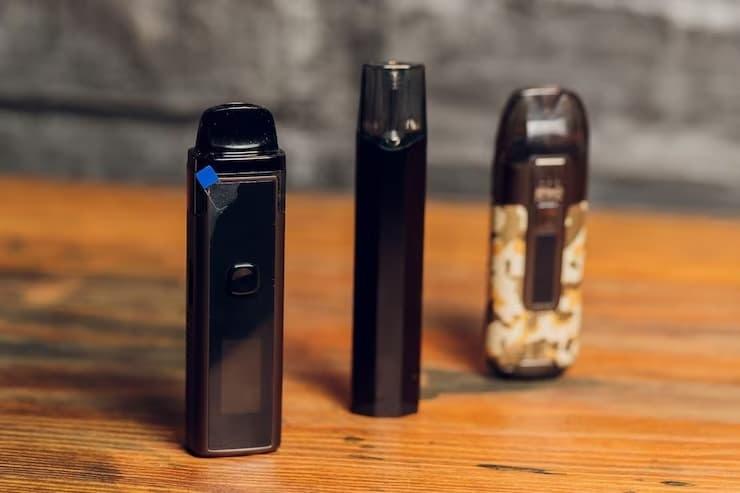
New device designs and battery technologies continuously shift the travel landscape. Pod-based systems, integrated batteries, and high-capacity cells present different risks and benefits. Integrated devices with non-removable batteries reduce the risk of loose-battery scenarios but complicate storage if the airline requires removal. High-wattage mods often include powerful lithium-ion cells and are more likely to be restricted. Manufacturers increasingly include safety features such as lock switches, auto cutoffs and pressure relief valves; when shopping, prioritize products with robust safety certifications and clear instructions. If you’re also researching or interacting with reputable vendors or platforms represented by concepts such as nhà cái uy tin, pay attention to whether product listings include safety certifications and transparent battery information.
What to choose for travel: compact vs advanced devices
For most travelers, compact, integrated, low-capacity devices present the best balance between convenience and compliance. They are less likely to violate battery limits and are easier to pack. Devices with removable high-capacity batteries offer more performance but require more careful handling and knowledge of watt-hour ratings and cell chemistry. If you choose a high-capacity unit, purchase protective cases and follow airline storage rules rigorously.
Local laws, nicotine regulations and destination considerations
Beyond airline rules, local statutes govern importation, possession and use of nicotine products. Some countries limit nicotine concentrations, ban flavored e-liquids, or treat vaping devices as tobacco products subject to heavy taxation or prohibition. Before departure, consult official government websites, embassy travel advice and reputable legal summaries in your destination language. If you plan to purchase e-liquids or devices abroad, prioritize vendors that comply with local regulations and provide batch numbers, ingredients and manufacturer contact information — hallmarks of a trustworthy vendor often associated with searches including nhà cái uy tin in different contexts.
Tips for discreet and law-abiding use while traveling
- Never vape in airports or aircraft — it’s illegal on board and in many terminals; use designated outdoor smoking areas only where permitted and legal.
- Keep documentation and purchasing details with your device: receipts, user manuals and manufacturer specifications help clarify legal questions.
- When in doubt, leave devices at home or ship them ahead using compliant carriers that handle lithium batteries properly and declare contents.
- Consider nicotine alternatives or temporary cessation strategies for destinations with strict rules; a short-term plan may avoid complications.
Buying abroad: how to spot legitimate sellers and avoid scams
Shopping in a new market can be tempting, but the risk of counterfeit devices and mislabeled batteries is real. Seek vendors that provide full product labeling, manufacturer warranty info and demonstrated customer support. Warning signs include unusually low prices, no clear return policy, and vague product specifications. When customers search for reliable sources such as nhà cái uy tin nhà cái uy tin and e cigarette airplane – a travelers guide to safety, trends and regulations” /> equivalents or trusted e-commerce outlets, they should look for transparent shipping policies and evidence of compliance with international shipping rules for batteries and liquids.
Practical buying advice
Purchase only sealed products when possible, avoid battery-only purchases from unclear sources, and ask sellers about how they package batteries for transport. If purchasing spirits or other liquids, confirm they comply with airline liquid rules and local restrictions. Keep the original packaging during travel as it contains essential safety and regulatory details.
On-the-ground emergencies and device malfunctions
In case of an onboard or in-airport battery incident — smoke, heat or unusual smell — notify crew or staff immediately and follow instructions. Airline staff receive specific training for battery incidents and will isolate and respond using established protocols. For ground-level device malfunctions, isolate the device in a metal container if safe to do so, and move away from combustible materials. Carry a compact fire-resistant pouch for lithium batteries or devices if you travel frequently with such items.
Environmental and ethical considerations for travelers
Responsible travelers should consider the environmental impact of disposable devices and used batteries. Many airports and cities now offer recycling options for batteries and electronic waste; seek out drop-off points and avoid discarding batteries in regular trash. Choosing vendors with take-back or recycling programs — a practice sometimes highlighted by trustworthy sellers akin to nhà cái uy tin in terms of transparency — improves sustainability and reduces the risk of improper disposal that can lead to fires or contamination.
Insurance, declarations and documentation
When traveling with valuable or potentially regulated devices, consider travel insurance that explicitly covers electronics, lost luggage and confiscation due to regulatory issues. Keep copies of purchase receipts and communications with sellers, and be prepared to declare devices at customs when required. If you rely on vendor warranties, confirm whether international claims are accepted; some warranties are region-specific and may not apply after cross-border purchases.
How technology trends may change airline rules
Regulators adapt to new battery chemistries and device types. As manufacturers develop more energy-dense batteries or wireless charging systems, rulemakers may update watt-hour thresholds, packaging standards and screening procedures. Travelers should maintain a habit of checking official sources. Subscribing to airline or aviation authority alerts, or following reputable technology safety sources, helps ensure you know about changes before you travel.
Summary: a traveler’s action plan
- Research your destination and carriers for local and airline-specific rules about e cigarette airplane items.
- Buy from reputable sellers with clear product documentation; prioritize vendors with transparent practices and strong reviews, sometimes referenced by searchers using phrases like nhà cái uy tin when looking for trustworthy providers.
- Pack devices and batteries in carry-on baggage using protective cases; insulate spare batteries to prevent shorts.
- Respect no-use rules on board and in terminals; never attempt to operate devices during flight.
- Keep receipts and manuals accessible for security or customs checks.

Glossary and technical notes
Watt-hour (Wh): A unit used to measure battery energy. Airlines frequently limit batteries by Wh. ENDS: Electronic Nicotine Delivery Systems, a category that includes e-cigarettes, vape pens and some heated tobacco products. ICAO and IATA: International organizations providing guidance and regulations that airlines and countries often implement; consult their latest advisories for official guidance.
Final considerations: balancing convenience and compliance
Traveling with modern devices requires both awareness and preparation. When you combine careful vendor selection — seeking attributes often associated with a trusted label like nhà cái uy tin in other consumer contexts — with thoughtful compliance to e cigarette airplane rules, your journeys are safer and less stressful. Prioritize safety, stay informed about evolving regulations, and choose devices and sellers that clearly support responsible use and transparent cross-border practices.
FAQ
- Q1: Can I pack my e-cigarette in checked baggage?
- A: Most airlines prohibit storing electronic nicotine delivery devices with lithium batteries in checked baggage; carry them in the cabin and follow spare battery rules.
- Q2: How many spare batteries can I bring on a plane?
- A: Limits vary; many carriers allow a small number of spare batteries if properly protected, while countries differ on watt-hour restrictions. Always check your carrier’s policy.
- Q3: What if my device is confiscated at security?
- A: Request documentation, ask about appeal or retrieval processes, and keep purchase receipts to support claims. For complex situations, contact your embassy if the item has legal implications in the destination country.
SEO note: This resource intentionally emphasizes terms like nhà cái uy tin and e cigarette airplane within relevant headings and paragraphs to improve discoverability for users searching about trusted sellers and air travel compliance; practical guidance, legal awareness and vendor vetting remain at the core of safe travel practice.