As 2025 approaches, discussions intensify regarding Thailand e-cigarette laws 2025. It’s essential for both residents and visitors to understand the evolving regulatory landscape of e-cigarettes in this Southeast Asian nation. E-cigarettes, while popular globally, face unique challenges in Thailand. This article delves into the intricacies of Thai regulations, providing a comprehensive guide on what to expect in 2025.
The Current State of E-Cigarette Laws in Thailand
Thailand is known for its stringent stance on e-cigarettes. Since 2014, the import, production, sale, and possession of e-cigarettes and related products have been banned. This has made it one of the strictest countries in the world concerning e-cigarette usage. The penalties can be severe, including fines and even imprisonment, which highlights the importance of adhering to Thailand e-cigarette laws.
Why Such Strict Regulations?
The Thai government has consistently expressed concerns over health risks associated with e-cigarettes. Officials argue that e-cigarettes, despite being marketed as a safer alternative to traditional smoking, pose potential health threats and could lead to increased smoking rates among youth. Furthermore, there’s a belief that e-cigarettes could undermine Thailand’s ongoing efforts in combating tobacco usage.
Looking to the Future: E-Cigarette Laws in 2025
In anticipation of 2025, rumors and speculations abound regarding potential changes in Thailand’s e-cigarette regulations. Some advocacy groups are pushing for legalization under strict regulations, proposing measures like age restrictions, sales through licensed outlets only, and rigorous product safety standards.
However, there is no official indication yet that the Thai government will ease its stance. Therefore, those considering traveling to Thailand should remain cautious and informed about the current laws to avoid legal issues.
Potential Impacts of Changes in Legislation
If Thailand were to relax its e-cigarette laws, it could have several implications. On a positive note, it would allow the government to regulate and tax these products, potentially generating revenue while ensuring consumer safety through regulated markets. Nonetheless, any change could also reignite public health debates, especially considering conflicting studies on the safety and efficacy of e-cigarettes.
The Global Context
E-cigarette regulations vary widely across the globe. Countries like the UK embrace them as a tool for reducing smoking rates, while others, like Australia, impose strict regulations much like Thailand. In this global context, Thailand’s approach remains one of caution and restriction, aligning it with countries that prioritize public health concerns over the potential benefits e-cigarettes might offer.
Factors Influencing Global E-Cigarette Policies
Globally, factors such as public health research, youth smoking rates, and lobbying from both the tobacco industry and health organizations influence e-cigarette policies. As international studies provide more data, these factors will likely shape future legislation in Thailand and beyond.
FAQs About Thailand E-Cigarette Laws 2025
-
Will Thailand legalize e-cigarettes in 2025?
There is currently no official indication of any changes to Thailand’s e-cigarette laws by 2025. It remains crucial to stay informed of any updates.

-
What are the penalties for violating Thailand’s e-cigarette laws?
Penalties can include hefty fines and possible imprisonment for the possession, sale, or importation of e-cigarettes.
-
How do Thai e-cigarette laws compare globally?
Thailand is among the countries with the strictest e-cigarette bans, aligning it with regions focusing on public health over harm reduction strategies.
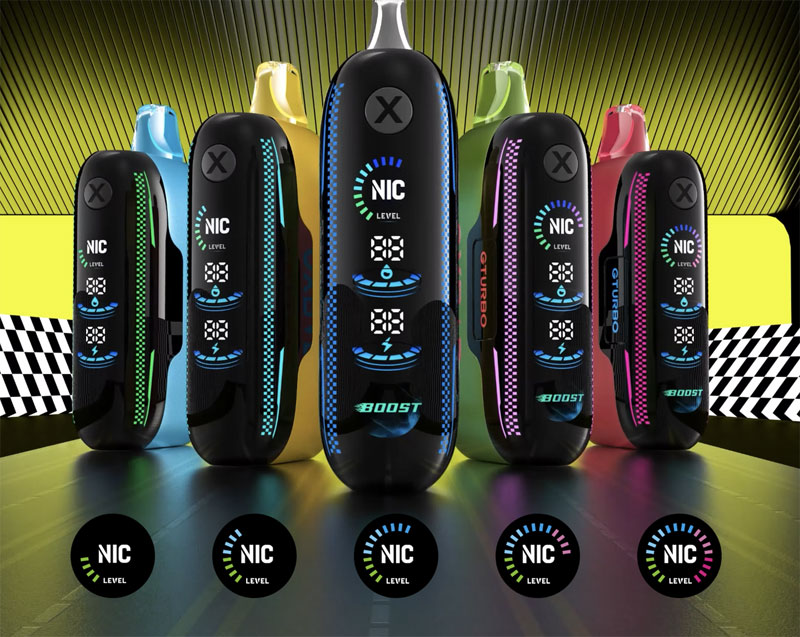
The landscape of e-cigarette laws can shift dramatically, and staying informed about Thailand’s regulations is indispensable for anyone considering consuming or selling e-cigarettes within its borders.