Navigating vaping age rules and smart buying advice for modern vapers
This comprehensive long-form guide is crafted for readers who want a thorough, practical understanding of the age-related regulations that govern vaping purchases and how to purchase wisely from specialty retailers such as IBvape Shop. Whether you are a new adult consumer, a concerned parent, a retailer, or a policy watcher, the information below balances regulatory clarity, safety considerations, and consumer tips. The repeated focus on e cigarette legal age is intentional for clarity and search relevance, so you will find the term used in context across legal, retail, and consumer-safety sections.
Why age rules matter: public health, compliance, and business reputation
Age restrictions on nicotine-delivery products exist to protect youth and to ensure responsible retail practices. For retailers like IBvape Shop, understanding and enforcing the e cigarette legal age requirements is essential not only for legal compliance but for building trust with customers and the local community. Non-compliance can lead to fines, license suspensions, and lasting reputational damage. From a public health perspective, delaying initiation into nicotine use reduces risks of addiction and is a key objective behind age laws globally.
Overview of typical legal frameworks
Though specifics vary by country and sometimes by state or province, a few themes are consistent: minimum age limits, verification requirements, restrictions on marketing to minors, and penalties for violations. Common minimum ages are 18 and 21—many jurisdictions moved to 21 in recent years. This guide will describe the common approaches and the compliance practices that retail operators and online stores should follow.
Common minimum ages and the reasons behind them
Many governments set the e cigarette legal age at 18 because 18 is widely recognized as the age of adulthood in many legal systems. However, in several countries and U.S. states, lawmakers raised the minimum to 21 to align with research that shows later initiation reduces the likelihood of long-term addiction. Retailers, including IBvape Shop, must track the law in each area they serve and ensure their point-of-sale systems and online age verification tools honor the correct thresholds.
How age verification works in practice
There are two principal contexts in which age must be verified: in-person and online. For in-person purchases, the most reliable method remains government-issued photo ID verification. Retail personnel should be trained to spot fake IDs, to use a consistent checking procedure, and to refuse sales when in doubt. For online purchases, there are multiple layers of verification available: age-gating screens, third-party identity verification services, credit-card checks, and signed delivery-by-adult requirements. Leading retailers such as IBvape Shop can combine several methods to reduce risk and improve trust.
Best practices for brick-and-mortar age checks
- Always request government-issued photo ID from anyone who appears under a reasonable age threshold (commonly under 30).
- Train staff to check the photo, date of birth, and security features of the ID.
- Implement a refusal policy and document incidents where age verification failed.
- Use discreet signage to inform buyers that ID will be required, improving transparency.
Best practices for online sales and deliveries
- Use reputable third-party age verification tools that cross-check identity data.
- Require an adult signature at delivery for nicotine products.
- Avoid relying on self-reported date-of-birth fields without additional verification.
- Monitor shipping addresses and high-risk orders for signs of fraud or underage attempts.
Retail compliance checklist for responsible sellers
Any retailer committed to legal and ethical sales should adopt a compliance checklist. This should include employee training, robust ID checking procedures, record-keeping, periodic audits, and an internal incident reporting system. Retailers that take compliance seriously, such as the hypothetical or real-world equivalents of IBvape Shop, often publicize their policies to reassure customers and partners.
How to buy sensibly as an adult consumer
Assuming you are above the applicable e cigarette legal age, smart buying means prioritizing safety, product quality, and appropriate usage. Nicotine strength, device type, battery safety, and sourcing from reputable suppliers are all critical decision points. Below are practical tips for making informed purchases.
Choosing the right product for your needs
- Start with a clear goal: nicotine cessation, reduced harm, or recreational use? Your objective will shape the choice of device and nicotine strength.
- Consider starting with lower nicotine levels if you are experimenting, and avoid excessively high concentrations unless advised by a health professional.
- Choose well-known device types: pod systems, refillable tanks, and regulated mods each have pros and cons in terms of convenience, cost, and risk.
Assessing product quality and vendor reputation
Buy from vendors who disclose ingredient lists, coil materials, battery specifications, and batch testing when available. Reputable shops—often highlighted in reviews and local directories—will be transparent about sourcing. When in doubt, ask for product documentation or look for independent lab tests for e-liquid contents and contaminants.
Online vs. in-store purchasing: pros and cons
Online shopping offers variety and convenience, but it also introduces questions about age verification and counterfeit or unregulated products. In-store shopping enables hands-on inspection, immediate product guidance, and in-person age verification. Trusted sellers like IBvape Shop frequently combine both channels while maintaining strict compliance across each.
Safe online shopping tips
- Verify the seller’s contact information and physical address.
- Check for clear age-verification protocols and privacy policies.
- Prefer sites that provide third-party lab test results for their e-liquids and devices.
- Use secure payment methods and watch for unusually low prices that may signal counterfeit goods.
Health considerations and harm reduction
While many adults use vaping as a smoking cessation aid or harm-reduction strategy, it is not risk-free. Pregnant people, youth, and non-smokers should avoid nicotine products. Public health organizations recommend that existing smokers who switch to less harmful alternatives do so under informed guidance. Retailers and consumers alike should prioritize harm-reduction principles and avoid glamorizing nicotine use to minors.
Nicotine strength, labeling, and safe use
Always follow labeled instructions for nicotine concentrations and device charging. Misusing batteries or combining incompatible components can cause malfunctions. Stick to manufacturer recommendations for coil resistance, charging devices, and storage of e-liquids to minimize hazards.
Policy changes and staying informed
Regulations evolve. Local governments may alter the e cigarette legal age or impose new packaging, flavor, or advertising restrictions. For consumers and businesses, routinely checking government resources, industry associations, and legal advisories will help maintain compliance and avoid surprises. Retailers should subscribe to regulatory updates and consider legal counsel when expanding into new jurisdictions.
Training and culture: how stores maintain compliance
Beyond written policies, building a culture of compliance is key. Effective strategies include role-playing ID checks during training, regular refresher sessions, mystery shopper compliance audits, and rewarding staff who consistently uphold age-verification standards. When customers see consistent enforcement, it builds trust and deters illicit purchasing attempts by underage individuals.
Tips specifically for parents and guardians
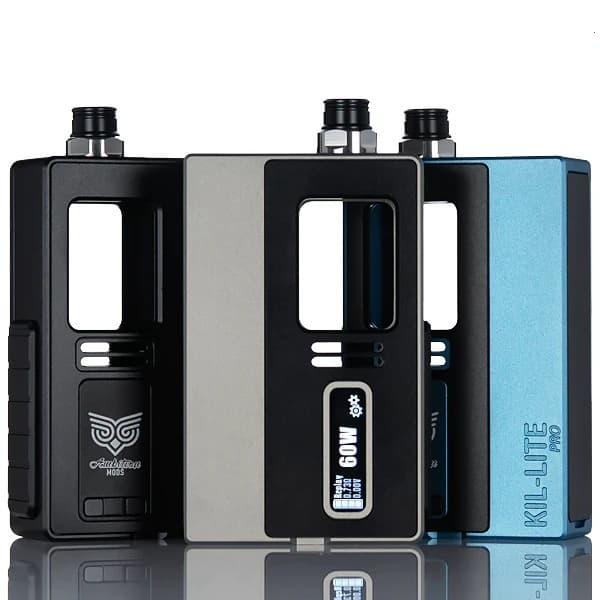
If you are a parent or guardian, recognize signs of vaping in adolescents—unusual devices, empty e-liquid bottles, or unfamiliar chargers. Open conversations that respect rather than punish young people are more effective in reducing use. Educate teens about the e cigarette legal age rationale and the health risks associated with nicotine and inhalant exposures.
How community stakeholders can help
Local governments, schools, and retailers can collaborate to reduce underage use: joint education campaigns, consistent enforcement, and accessible cessation resources all reduce initiation rates. Retailers that actively work with communities to prevent youth access enhance their standing and reduce overall risk.
Practical checklist for buyers and sellers
Below is a quick checklist designed to be printed or saved as a reference:
- Confirm the current legal age in your area: 18, 21, or other.
- Verify ID for in-person sales and use layered age checks online.
- Buy from transparent suppliers that provide ingredient and safety information.
- Choose devices with clear safety specs and avoid tampering with battery systems.
- Keep records of compliance training and incident reports for audits.
Frequently asked questions
Below are common queries and succinct answers about purchasing nicotine-delivery products responsibly and legally.
 IBvape Shop Guide to e cigarette legal age Rules and Smart Buying Tips” />
FAQ
- Q: What is the minimum age to buy e-cigarettes?
- A: The minimum age depends on local law; many places use 18 or 21. Always check local statutes and expect that retailers will require valid government-issued ID for proof of age.
- Q: Can I buy vaping products online if I am of legal age?
- A: Yes, but reputable vendors will verify your age. Expect multi-step verification and possibly an adult signature requirement at delivery.
- Q: What should I look for to ensure product quality?
- A: Look for clear ingredient lists, manufacturer safety specs, and independent lab testing for e-liquids when available. Buy from well-reviewed, transparent sellers.
In summary, both consumers and businesses should prioritize legal compliance, accurate age verification, and product safety. Whether you are considering a purchase or building a retail practice, focusing on these pillars reduces risk, protects youth, and supports a sustainable marketplace. Remember that trusted shops—often referenced in community guides as reliable sources—balance customer service with a firm respect for the e cigarette legal age rules and professional sales practices. Responsible purchasing involves informed choices, and responsible selling involves consistent verification: together these behaviors support safer outcomes for individuals and communities alike.