Practical Guide for Vendors and Users Navigating IBvape Compliance and Regulatory Frameworks
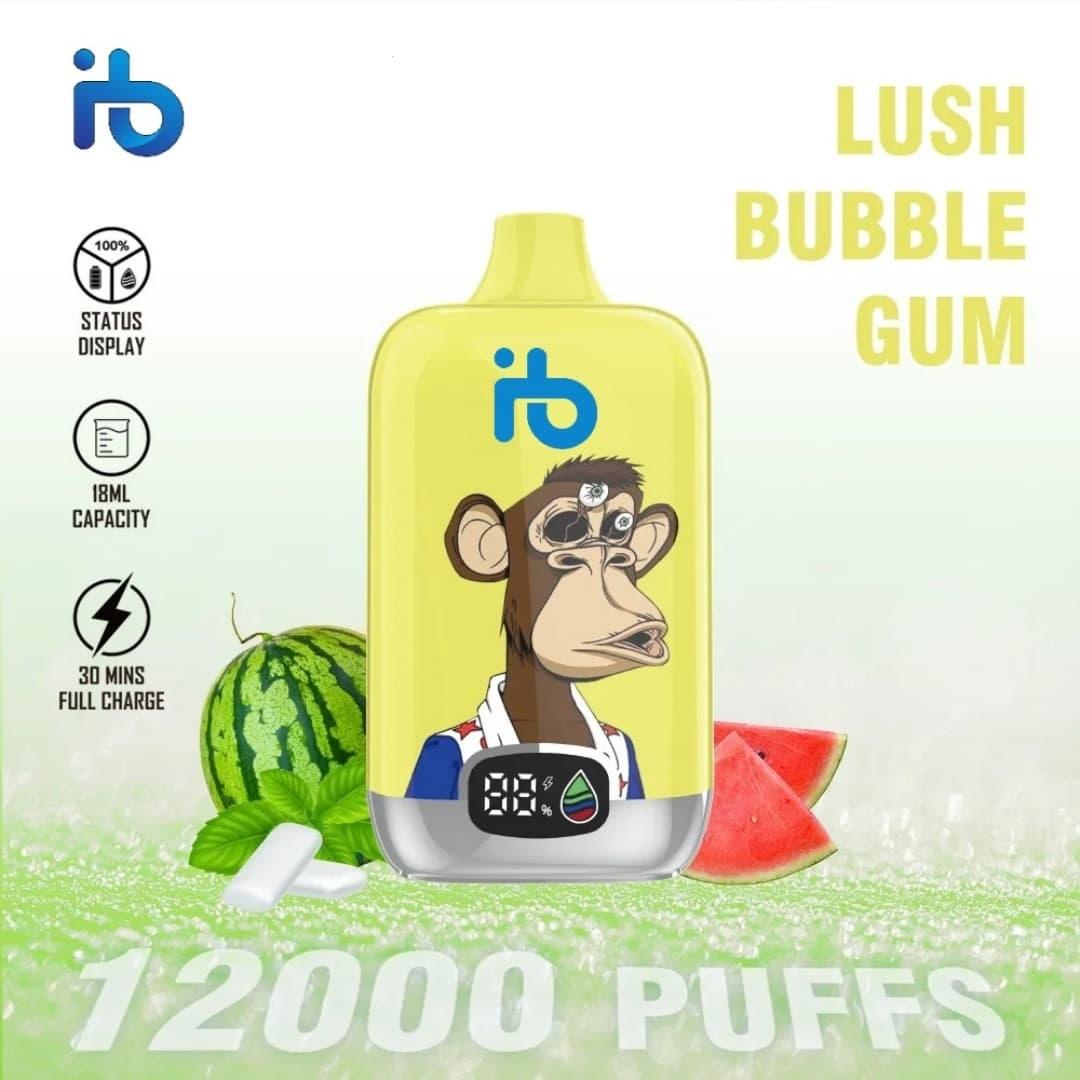
Overview: why understanding IBvape and electronic cigarette laws matters
This resource is written for business owners, online retailers, brick-and-mortar sellers and individual consumers who need clear, actionable guidance about selling, buying and using products from the IBvape family within the shifting landscape of electronic cigarette laws. Laws and enforcement practices evolve rapidly: staying informed improves compliance, reduces risk and protects public reputation. The following sections unpack the most relevant legal themes, practical compliance tips, and risk mitigation strategies tailored to sellers and consumers engaging with the market for e-cigarette merchandise including IBvape branded devices and consumables.
Legal foundations and regulatory categories
At a high level, regulators treat vaping products under several intersecting regimes: consumer product safety standards, tobacco and nicotine-specific statutes, advertising and marketing restrictions, age verification and sales controls, packaging and labeling obligations, cross-border shipping restrictions, and tax or excise regimes. A good compliance program for IBvape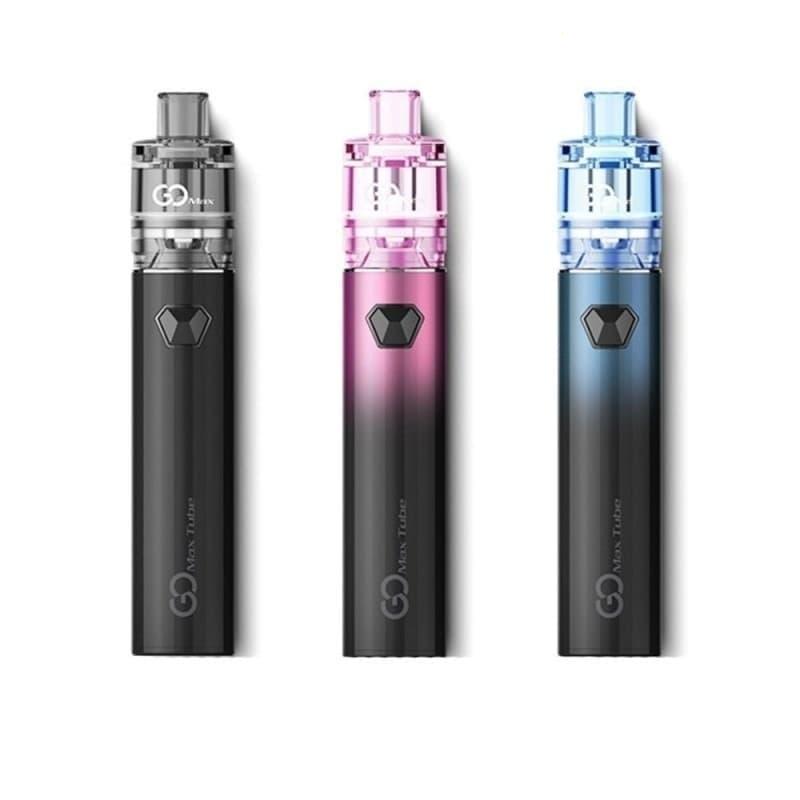 IBvape compliance tips” /> inventory will map each SKU to the applicable electronic cigarette laws in the jurisdictions where you operate and where you ship.
Key legal categories to track
- Age and sales restrictions: Many jurisdictions prohibit sales to minors and require strict age verification methods for both in-person and online sales.
- Product ingredient and safety disclosures: Some regulators require disclosure of nicotine concentration, ingredients, or testing for harmful constituents.
- Packaging and labeling: Health warnings, child resistant packaging, and prohibition of certain imagery or flavors that appeal to youth are increasingly common.
- Advertising and promotion rules: Platforms and national laws often restrict claims, influencer promotions, and placement of ads to protect young people.
- Tax and reporting: Excise taxes, registration, and reporting obligations can apply to manufacturers, distributors and retailers.
- Import/export and shipping: International mail and courier services may ban or restrict nicotine product transport; customs may seize non-compliant shipments.
Seller-focused compliance checklist for IBvape products
Below is a practical checklist sellers can implement immediately to reduce regulatory exposure and improve operational integrity when marketing or distributing IBvape devices, pods and accessories under prevailing electronic cigarette laws.
- Know your market footprint: Maintain an up-to-date registry of countries, states and localities where you sell; maintain a compliance matrix that ties each SKU to the legal rules in each territory.
- Age verification: Implement multi-layered age checks for online sales (age gate, third-party identity verification, ID verification at delivery when required). Document your verification processes and retention policies.
- Labeling accuracy: Ensure nicotine concentrations and ingredient lists are accurate, legible and placed where law requires. Include health warnings and manufacturer/importer identification where mandated.
- Advertising policy: Adopt a strict advertising playbook: ban placements that can reach underage audiences, avoid youth-oriented language and imagery, and vet affiliates and influencers for compliance.
- Packaging safety: Use child-resistant packaging and tamper-evident seals where required. Keep track of recycling and disposal obligations.
- Recordkeeping: Retain sales records, test results and shipping documentation according to the retention periods stipulated in local law.
- Product testing: Where required or prudent, conduct lab testing for emissions and harmful constituents and retain certificates of analysis.
- Training: Train frontline staff on age verification, seizure response and customer communications to ensure consistent application of your compliance program.
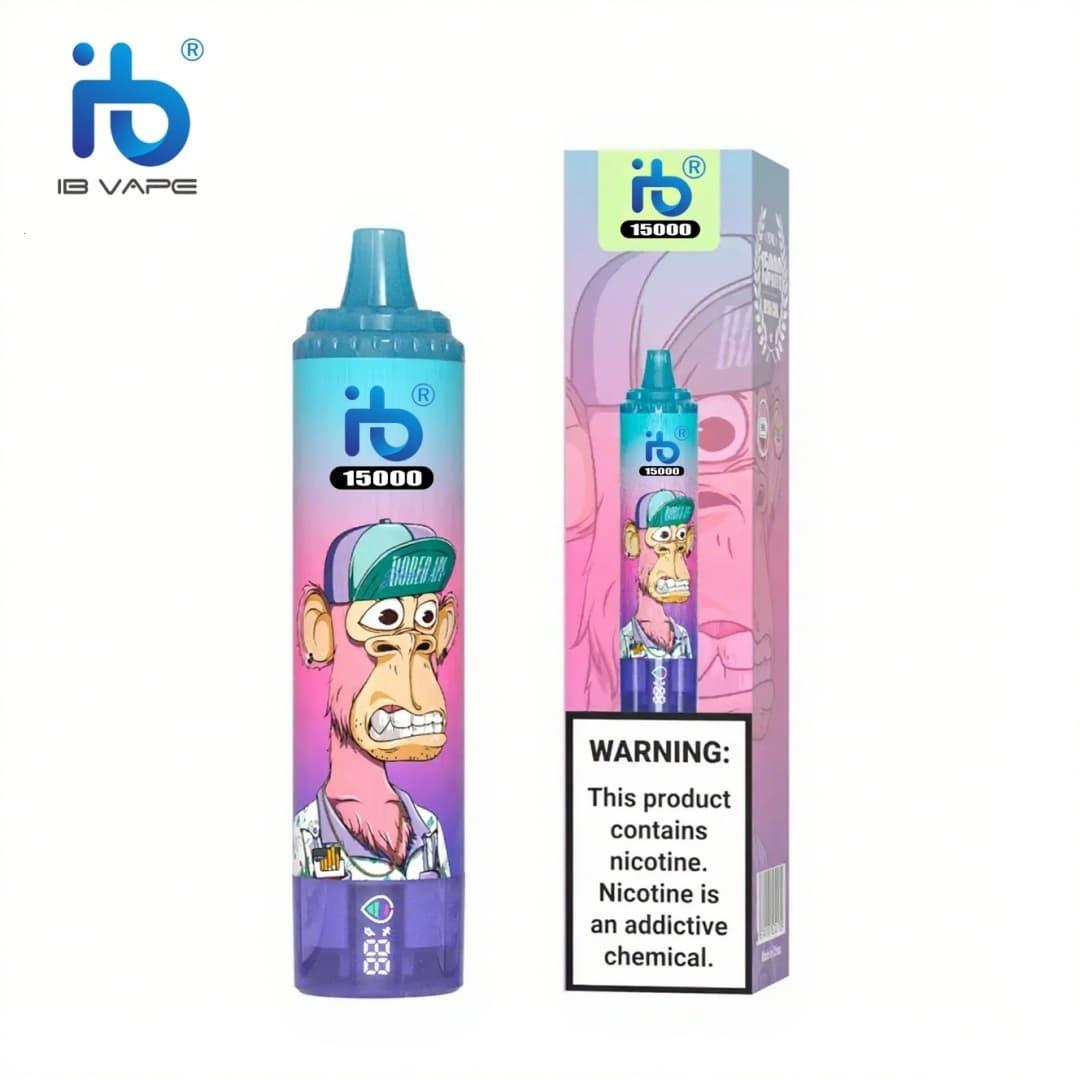
Specific consumer guidance
Consumers also play a role in legal compliance and safety. Buyers should prioritize purchases from reputable IBvape sellers who disclose product information and adhere to electronic cigarette laws. Here are practical tips for consumers:
- Confirm seller legitimacy and review labeling for nicotine content, tamper evidence and manufacturer details.
- Understand transport rules: when purchasing cross-border, check whether your country permits import of nicotine products and whether courier services accept them.
- Safely store e-liquids and devices away from children and pets; follow disposal instructions for batteries and pods.
- Consult health professionals if you have specific health concerns related to nicotine use or device safety.
Advertising, digital channels and platform policies
Online marketplaces, social networks and ad platforms have layered rules that often supplement national electronic cigarette laws. For sellers of IBvape products:
- Inspect platform policies: many prohibit paid advertising for nicotine products or require strict audience targeting and disclaimer text.
- Organic content still has constraints: avoid glamorizing nicotine use or featuring young-looking actors in promotional materials.
- Influencer collaborations should be contractually governed to ensure compliance and to require location-based disclaimers where necessary.
Cross-border considerations and shipping best practices
International shipping of nicotine-containing items triggers customs, carrier and local regulatory rules. Non-compliant shipments can be seized, destroyed or returned, and sellers may face penalties. Best practices for exporters and marketplaces selling IBvape products include:
- Pre-check allowed status for nicotine devices and liquids in destination country.
- Use carriers that explicitly allow nicotine product transport and follow their labeling/packaging rules.
- Include complete commercial invoices and product documentation; mis-declaration increases seizure risk.
- Consider routing options and whether to use licensed distributors in markets with strict import rules.
Taxation, excise and financial compliance
Some jurisdictions impose excise taxes on vaping products similar to tobacco taxes; others treat them differently. Sellers should:
- Monitor tax codes and apply correct tax rates at the point of sale.
- Register for any required tax regimes and file timely returns.
- Work with accountants knowledgeable about nicotine product taxation to avoid surprise liabilities.
Enforcement trends and risk assessment
Regulators worldwide have ramped up enforcement in response to public health concerns, reports of youth uptake, and product safety incidents. Common enforcement actions include civil fines, product recalls, license suspensions, and criminal investigations in more serious cases. To create a defensible compliance posture around IBvape supply chains and retailing activities, businesses should:
- Conduct periodic compliance audits that include advertising, labeling, shipping and age verification practices.
- Retain legal counsel in markets where you have significant sales volume.
- Maintain a corrective action plan and incident response protocol to address complaints, safety incidents or regulator inquiries promptly.
Product innovation vs regulatory constraints
Designers and manufacturers continually innovate on flavor profiles, device ergonomics and refill systems. However, product innovation must be balanced by an analysis of regulatory acceptability: flavor bans, pre-market authorization requirements and emissions testing can affect market access. For IBvape teams developing new SKUs, early regulatory review and stakeholder engagement reduce market entry delays.
Recommended pre-launch compliance steps
- Legal landscaping: identify which markets require pre-market notifications or approvals.
- Testing: secure lab partners and define test plans early in the product design cycle.
- Label and claims review: ensure packaging and promotional language do not trigger regulatory red flags.
Recordkeeping, traceability and recalls
Robust documentation supports both compliance and consumer safety. Sellers and distributors should implement traceability systems for IBvape products to facilitate recalls and investigations. Best practices include SKU-level lot tracking, retained certificates of analysis, complaint logs and channels for customers to report adverse events.
Responding to inspections and enforcement actions
When regulators initiate inspections or issue notices, timely and transparent cooperation often reduces penalties. Key steps include:
- Designating a compliance officer to handle communications.
- Gathering requested records promptly.
- Implementing immediate mitigations if safety risks are identified and documenting corrective steps.
Operational SOPs and staff training
Consistent application of policies requires clear SOPs and ongoing employee training. Core training modules should include age verification, packaging and labeling checks, how to handle seizures or refusals by couriers, and customer communication protocols about legal restrictions.
Practical risk reduction for small sellers
Small businesses often face resource constraints. Pragmatic measures that materially reduce risk include:
- Limiting sales to jurisdictions with clear, permissive frameworks.
- Using vetted payment processors that support nicotine sales.
- Outsourcing shipping to specialists experienced with nicotine logistics.
- Maintaining conservative marketing to avoid platform removals.
Consumer safety and public health considerations
Regulations are designed to protect public health. Buyers and users of IBvape products should be mindful of nicotine dependence risks, device malfunction hazards (especially battery safety) and the importance of product authenticity. Purchasing from reputable vendors who comply with electronic cigarette laws reduces exposure to counterfeit or poorly manufactured products.
Dealing with product defects and adverse events
If consumers experience device failures, burns, or health symptoms they should immediately stop use, preserve packaging and product, report the incident to the seller and, where applicable, file a report with the local health authority. Sellers should have mechanisms to accept returns, provide refunds or execute recalls in a controlled manner.
International consumer rights
Consumers who purchase cross-border should understand that returns, warranties and consumer protections differ by jurisdiction. When ordering IBvape products internationally, verify seller return policies and warranty terms, and be aware that customs may treat nicotine products as prohibited or require import permits.
Checklist for consumers:
- Verify product authenticity and seller reputation before purchase.
- Check local rules on possession and import of nicotine items.
- Keep receipts and product labels for warranty and safety reporting.
Creating an internal culture of compliance
For companies selling IBvape products, compliance should be a business differentiator. Organizations that treat regulatory alignment as part of customer trust and brand integrity often see fewer disruptions and stronger partnerships with platforms, carriers and regulators.
Core culture building blocks:
- Leadership commitment to compliance at the C-suite level.
- Clear policies, accessible training and regular refreshers.
- Metrics and audits tied to performance reviews and vendor contracts.
Conclusion: an integrated compliance approach
Adapting to changing electronic cigarette laws requires a structured, multi-disciplinary approach. By embedding legal review into product development, maintaining precise labeling and packaging, enforcing rigorous age verification, and documenting operational controls for IBvape products, sellers can reduce legal exposure while serving legitimate adult consumers. Consumers who prioritize reputable sellers and exercise safe use and storage practices further support a responsible marketplace.
Practical resources and next steps
Actionable next steps for retailers and consumers: create a jurisdiction compliance matrix, establish a written age verification policy, test packaging and labeling against current rules, audit digital marketing for youth-appealing content, and subscribe to regulatory update services for markets where you sell IBvape products. Legal counsel with experience in nicotine product law can help implement pre-launch checks and respond to enforcement notices.
FAQ
- Q: Can I ship IBvape devices internationally?
- A: It depends on the destination. Many countries restrict or prohibit the import of nicotine-containing products; carriers have varied policies. Confirm destination rules, choose a compliant carrier and include accurate documentation.
- Q: What is the minimum age for purchase?
- A: Age thresholds vary by country and sometimes by subnational law (18, 19 or 21 are common). Implement strict age verification and train staff to refuse sales where doubt exists.
- Q: Are online ads for vaping allowed?
- A: Platform policies and local law may limit advertising. Avoid youth-targeted advertising, and use targeted campaigns only where permitted. Keep a documented ad approval process.
For ongoing compliance, maintain continuous monitoring and adapt to new rules. This guide is informational and does not substitute for legal advice; consider jurisdiction-specific counsel if you operate at scale or across borders. IBvape and electronic cigarette laws will keep evolving, and proactive compliance is the most reliable way to protect your business and consumers.