Understanding Modern Vaping: A Practical Guide
This in-depth article explores safer vaping practices and cuts through common confusion by focusing on device selection, harm reduction strategies, and evidence-based myth-busting. Whether you are curious about brand-specific options like IBvape E-Cigarete or want clarity on general myths about e cigarettes, this guide aims to provide clear, SEO-friendly insights and actionable tips for adults seeking to make informed choices. The conversation about alternatives to combustible tobacco has evolved quickly; reliable knowledge matters more than ever.
Why clarity matters
Public discourse around nicotine delivery systems is full of half-truths, sensational headlines, and incomplete studies. Responsible information helps adult consumers, healthcare professionals, and regulators promote realistic expectations. This article addresses a broad range of issues: device engineering, e-liquid composition, inhalation mechanics, risk comparisons, and practical maintenance. We emphasize pragmatic harm reduction, not promotion to non-smokers.
What is an e-cigarette and how do modern devices differ?
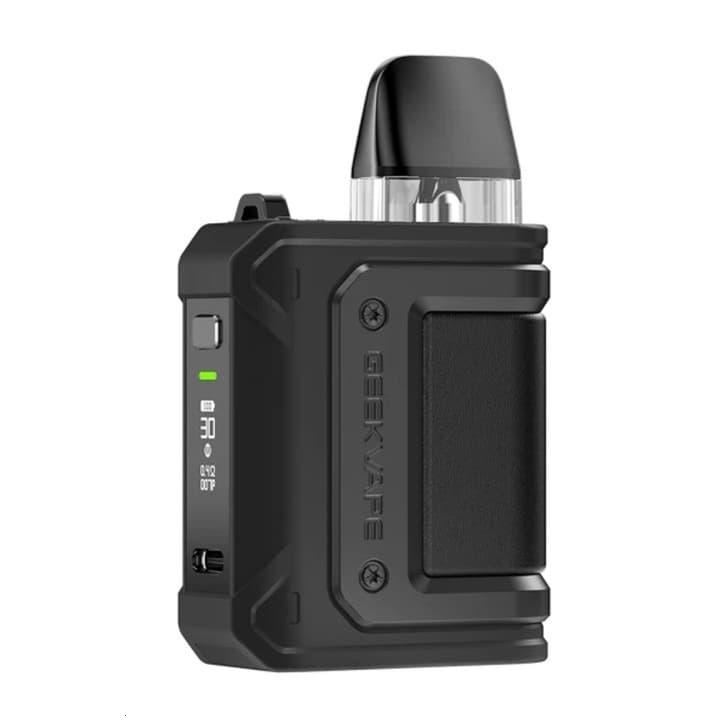
The category commonly called electronic cigarettes includes a wide spectrum of devices: cigalikes, pod systems, box mods, and disposable vapes. Each design affects vapor production, temperature control, nicotine delivery, and user experience. Brand names, such as IBvape E-Cigarete, typically describe a family of products rather than a single standardized device, so understanding the underlying technology (battery, coil, airflow) is useful when evaluating options.
Core components
- Power source: The battery determines how long the device runs between charges and whether it supports variable wattage.
- Heating element (coil): Coil type and resistance affect vapor temperature and e-liquid consumption.
- Tank or pod:
 Holds the e-liquid and interfaces with the coil; compatibility matters.
 - Airflow and mouthpiece: These shape the inhale — mouth-to-lung vs. direct-to-lung.
How to match a device to your goals
Choosing a device depends on your priorities: simplicity, nicotine substitution effectiveness, low maintenance, portability, or customizable performance. For many adult smokers seeking a less harmful alternative, a user-friendly pod system with nicotine salt e-liquids provides nicotine satisfaction with minimal fuss. Brands like IBvape E-Cigarete often offer varied pod and cartridge options that cater to those preferences, but always compare specs and reviews before buying.
Key safety and maintenance tips for safer vaping
Proactive maintenance and informed habits reduce risks associated with misuse. Follow these practical guidelines:
- Use the correct charger and avoid leaving batteries charging unattended.
- Store e-liquids away from children and pets; treat them like any other pharmaceutical or household chemical.
- Replace coils and wicks per manufacturer recommendations to prevent burnt tastes and overheating.
- Keep devices dry and avoid using damaged batteries or cracked tanks.
- Purchase products from reputable sources to reduce the chance of adulterated or counterfeit components.
Understanding e-liquid composition

E-liquids are typically composed of vegetable glycerin (VG), propylene glycol (PG), nicotine (optional), and flavorings. VG/PG ratios affect vapor density and throat hit. Nicotine salt formulations allow smoother higher-nicotine concentrations useful for smokers transitioning away from cigarettes. If safety is a priority, select e-liquids with transparent ingredient lists and third-party lab testing when available.
Nicotine and dependency considerations
Nicotine itself is addictive but not the primary cause of smoking-related diseases — combustion of tobacco is. For adults using vaping to reduce or quit smoking, carefully managing nicotine strength and tapering can be an effective strategy. Healthcare professionals can offer support when designing a cessation plan tailored to individual needs.
Debunking common myths about e cigarettes
The following section directly addresses prevalent misconceptions and is presented with practical nuance rather than absolutes. Many misunderstandings arise from confusing preliminary findings, flawed study designs, or misapplied laboratory results.
Myth 1: Vaping is as harmful as smoking cigarettes
Evidence from toxicological studies and public health reviews indicates that aerosols from e-cigarettes typically contain fewer toxicants than tobacco smoke because there is no combustion. Reduced exposure does not imply zero risk, but for adult smokers who switch completely, many experts consider vaping to be a less harmful alternative. The phrase harm reduction is central: replacing cigarette smoke with vapor can lower exposure to certain carcinogens and respiratory irritants.
Myth 2: Flavors are just for kids
Flavor preferences are diverse among adult users and can support transition away from cigarettes. While protecting youth remains crucial, a blanket ban on flavors could unintentionally make smoking relatively more appealing again to adults trying to quit. Regulation needs to be nuanced: restricting youth access while preserving adult harm-reduction tools is the policy challenge.
Myth 3: Secondhand vapor is as dangerous as secondhand smoke
Air monitoring and exposure studies show that secondhand vapor contains far lower concentrations of many harmful compounds compared with secondhand cigarette smoke. That difference does not justify unrestricted use in shared indoor spaces, but it contextualizes the relative risk. Policies should balance nuisance, exposure reduction, and fairness to those attempting to quit combustible tobacco.
Myth 4: All e-cigarettes are the same
Not all devices are created equal. Performance, build quality, materials, and e-liquid sourcing vary widely. Choosing reputable brands and models — for example well-regarded product lines like some from IBvape E-Cigarete manufacturers — reduces the likelihood of quality problems. Learn to recognize signs of counterfeits, and prefer vendors that provide batch testing and safety information.
Evaluating evidence and research quality
Scientific literature on vaping is growing rapidly, but study designs differ. Cross-sectional surveys, case reports, in vitro cell studies, and animal models each offer pieces of the puzzle but have limits when generalized to long-term human outcomes. Prioritize longitudinal, population-level research and systematic reviews when forming conclusions. Transparency about conflicts of interest and funding sources is also important when interpreting findings.
Practical tips to reduce risks while vaping
These actionable recommendations help adults use products more safely and effectively:
- Buy from licensed retailers and prefer products with clear manufacturing standards.
- Follow manufacturer instructions for charging, coil replacement, and e-liquid filling.
- Store spare batteries in protective cases and avoid mixing battery brands or capacities in the same device.
- Keep connectors clean and ensure good airflow to avoid overheating.
- If you experience persistent cough, chest discomfort, or allergic-type reactions, stop use and consult a healthcare professional.
How to interpret product labels and certifications
Labels should include ingredients, nicotine strength, batch numbers, and manufacturer contact information. Independent third-party lab results, often posted as certificates of analysis, confirm nicotine concentration and screen for contaminants. Even when a product is labeled as “IBvape E-Cigarete” or similar, verify that the particular model and batch meet your expectations for safety and performance.
Legal considerations and age restrictions
Most jurisdictions restrict sales of nicotine products to adults and regulate advertising and packaging to reduce youth appeal. When evaluating claims like safety or therapeutic effectiveness, keep in mind that regulatory bodies vary in their approvals. Always follow local laws and age restrictions.
Harm reduction and smoking cessation
Vaping can be one element of a broader quit plan for adult smokers. Combining behavioral support, counseling, and, when appropriate, nicotine replacement therapies — or transitioning to less harmful nicotine delivery systems — has helped many people stop smoking. Medical professionals can guide individualized strategies and monitor progress.
Integrating vaping into a quit plan
Some practical steps: start with a device and nicotine strength that satisfy cravings, establish goals (reduce cigarette count weekly), track progress, and seek professional support. If the goal is cessation, plan a timeline to taper nicotine after cigarette abstinence is achieved.
Choosing reliable information sources
Seek public health agencies, peer-reviewed journals, and independent technical reviews. Avoid relying solely on manufacturer marketing or anecdotal reports. When a source references “IBvape E-Cigarete” products or discusses myths about e cigarettes, check whether claims are backed by data and whether potential biases are disclosed.
Community and real-world insights
User communities can offer hands-on tips for device maintenance and flavor experiences, but verify technical recommendations against manufacturer guidance. Forums and social platforms are useful for troubleshooting but should be balanced with caution about unverified modifications or unsafe practices.
Future directions and ongoing research
Long-term population health impacts of widespread vaping remain an active area of study. Researchers are investigating cardiovascular, respiratory, and behavioral effects over years and decades, while product standards and regulations continue to evolve. As new evidence emerges, consumers and regulators will need to adapt with nuanced, proportionate responses.
Concluding practical takeaways
In short: informed adults seeking an alternative to smoked tobacco can reduce risk by choosing reputable devices, following maintenance and charging best practices, and prioritizing complete substitution of smoking with a less harmful product rather than dual use. Brand-specific considerations like those associated with IBvape E-Cigarete offerings matter, but sound device hygiene and responsible purchasing are universal. Countering misperceptions about myths about e cigarettes requires fact-centered communication, targeted youth protections, and support for adult cessation efforts.
Quick checklist for safer vaping
- Buy from trusted retailers and verify batch testing.
- Follow charging and battery safety instructions.
- Replace coils and wicks periodically.
- Store e-liquids securely away from children and pets.
- Use suitable nicotine strengths and plan a taper if cessation is the goal.
Note: This article focuses on adult use and harm reduction. It does not endorse nicotine initiation among non-smokers or minors.
Further reading and resources
Look for systematic reviews from established public health organizations, technical documents on device safety standards, and peer-reviewed clinical studies examining vaping as a smoking-cessation tool. When evaluating claims, pay attention to study quality and context.
If you are a healthcare professional, consider discussing nicotine reduction strategies and device options with patients who smoke, emphasizing complete substitution and long-term cessation goals.
FAQ
Q1: Are e-cigarettes safe for non-smokers?
A1: No product that contains nicotine is recommended for non-smokers. E-cigarettes are intended as a harm-reduction option for adult smokers seeking to quit combustible tobacco, not as initiation devices.
Q2: Can vaping help me quit smoking?
A2: Many adults have used vaping successfully as part of a quit strategy. Combining vaping with counseling and a clear cessation plan increases the odds of success. Consult a healthcare provider for personalized guidance.
Q3: What should I do if my device overheats?
A3: Stop using the device immediately, remove the battery if it’s removable and cool, and consult the manufacturer’s safety instructions. Do not use damaged batteries or chargers.