The use of electronic cigarettes, often referred to as e-cigarettes or vapes, has grown rapidly over the past decade. This surge in popularity raises a critical question for users: is smoking electronic cigarettes indoors legal? Navigating the complexities of vaping laws can be challenging, especially since regulations vary significantly from one jurisdiction to another. To truly understand the legality of indoor vaping, it’s essential to consider both local laws and the rules set by private establishments. Let’s dive into the key aspects you need to know about vaping indoors.
Differences in Local Laws
An important factor when determining the legality of vaping indoors is the variation in local and state laws. Some regions have specific regulations prohibiting the use of e-cigarettes in enclosed public spaces, similar to tobacco products. For instance, cities like New York and San Francisco have comprehensive bans on smoking, which include electronic cigarettes. Conversely, other areas may have more relaxed rules, allowing individuals to vape in certain indoor spaces such as bars or restaurants. It’s crucial for vapers to familiarize themselves with the specific rules in their location to avoid potential legal issues.
The Impact of Federal Guidelines
Although vaping regulations are primarily enforced at the state and local levels, federal guidelines can also play a role. In many countries, national health organizations provide broad recommendations regarding the use of electronic cigarettes. For example, the U.S. Food and Drug Administration (FDA) has expressed concerns about the health effects of vaping but typically allows states to impose their own rules. These federal guidelines often influence public perception and can subsequently impact local legislation regarding where vaping is permissible.
Rules Set by Private Establishments
Beyond government laws, individual business policies can dictate whether or not vaping is allowed indoors. Some establishments may choose to ban vaping entirely, prioritizing a smoke-free environment for their customers. This is particularly common in places like cafes, public transport, and airports. On the other hand, certain businesses market themselves as vape-friendly, actively encouraging patrons to use their devices indoors. Vapers should always respect the policies of private premises, as these rules are legally enforceable and can lead to being asked to leave the premises if violated.

Health Concerns and Public Opinion
Health considerations also significantly impact the legality and acceptance of vaping indoors. Many public health authorities question the safety of e-cigarette emissions and have voiced concerns about potential second-hand effects, although comprehensive long-term studies are still needed. As a result, some regions have been proactive in legislating restrictions on where e-cigarettes can be used, mimicking traditional smoking regulations. Public opinion also plays a role in shaping these laws, as growing awareness and health consciousness influence regulatory actions.
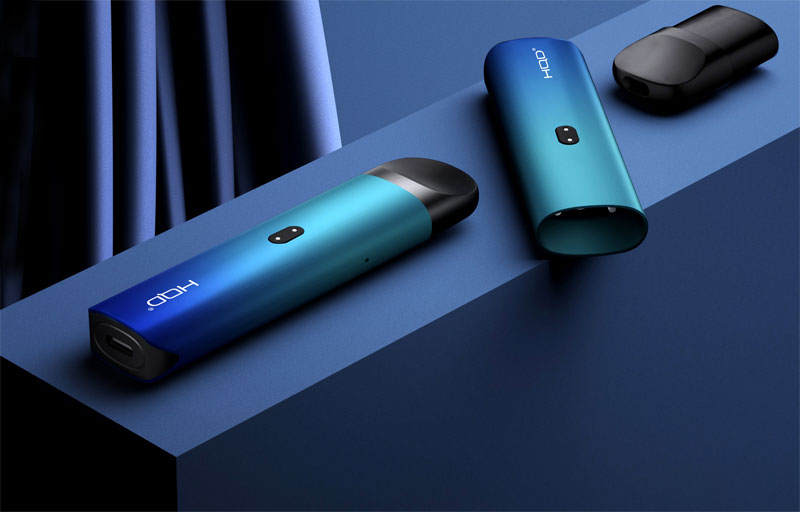
Overall, the legality of smoking electronic cigarettes indoors is a contentious issue, influenced by a patchwork of local, state, and federal laws, alongside private establishment policies. As vaping devices continue to evolve, so too will the regulations that govern their use. Staying informed about these laws ensures vapers can enjoy their devices responsibly without legal repercussions.
Frequently Asked Questions
- Can I vape indoors at work?
This depends on your company’s policy and local laws. Many workplaces have clear policies regarding smoking and vaping, often prohibiting both to maintain a healthy environment.
- Are there places where vaping indoors is legal?
Yes, vaping is allowed in some bars, restaurants, and private clubs, depending on local laws. However, always check with the venue as private policies may restrict it.
- Does vaping indoors leave a smell?
While e-cigarette vapor is generally less pungent than traditional smoke, it can leave a faint odor. Using flavors can also impact the scent left behind.