Understanding the impact of e cigarettes on health and society
Over the past decade, e cigarettes have transformed the landscape of nicotine consumption and public health discussions worldwide. The impact of e cigarettes extends far beyond their role as an alternative to traditional smoking; they touch on complex issues of addiction, societal norms, health outcomes, and regulatory responses.
From their inception, e cigarettes were often promoted as a safer smoking alternative, but this perception is under increasing scrutiny. Research exploring the health effects of e cigarettes reveals a nuanced picture, as these devices deliver nicotine without burning tobacco, which eliminates many carcinogens associated with smoking. However, studies indicate that vaping is not risk-free. E cigarette aerosols contain substances such as formaldehyde, acrolein, and volatile organic compounds, which may contribute to respiratory and cardiovascular conditions over time. For instance, some analyses suggest that exposure to certain chemicals in e cigarette vapor can irritate the lungs and may impact immune system function.
Nicotine addiction remains central to the broader impact of e cigarettes. While many users choose e cigarettes to quit smoking, young people are increasingly picking up vaping without a smoking history, raising concerns about a new generation addicted to nicotine. The 2023 Youth Tobacco Survey in the United States showed continued high rates of vaping among adolescents. The addictive nature of nicotine can affect brain development in teenagers and young adults, potentially leading to difficulties with attention, impulse control, and mood disorders.
Socially, the impact of e cigarettes is visible in the normalization of vaping culture. Devices ranging from discreet pod systems to flashy mods are widely marketed and available in convenience stores, often accompanied by sweet and fruity flavors that appeal particularly to younger audiences. This marketing strategy has spurred debate regarding the ethics of targeting youths and young adults with appealing branding and flavor profiles. Some studies have suggested that the flavors themselves may also encourage experimentation and sustained use, further increasing the risk of nicotine dependence.
Vaping versus smoking: shifting public health narratives
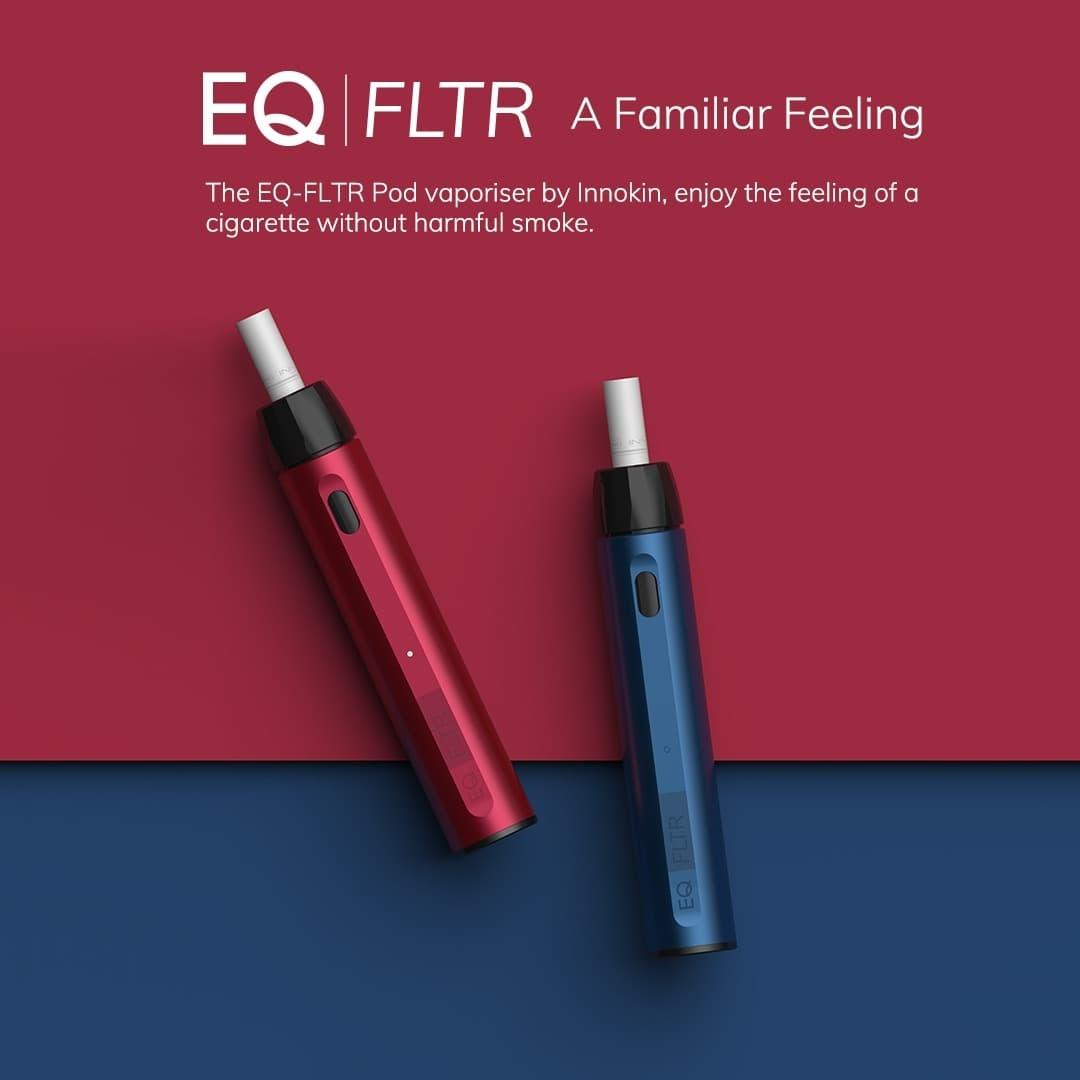
One of the most common arguments in favor of e cigarettes is that they are less harmful than combustible tobacco. While this is partially supported by evidence indicating lower levels of carcinogens and toxicants in e cigarette vapor, it is rarely an argument for their safety overall. Many health agencies, including the World Health Organization, maintain that the long-term effects of vaping are still unknown and call for caution, especially in populations such as pregnant women and young people.
Moreover, dual use—when individuals use both traditional cigarettes and e cigarettes—complicates the impact of e cigarettes. This pattern is reported among a significant portion of adult vapers, leading to questions about whether vaping is indeed helping smokers quit or is instead contributing to continued nicotine intake.
- Potential reduction in tobacco-related harm for some users
- Continued nicotine addiction risks, especially for youth
- Insufficient data on long-term health outcomes
- Environmental concerns due to disposable devices and battery waste

Regulatory and societal challenges
Governments and regulators worldwide face the difficult task of balancing the potential harms and benefits associated with e cigarettes. Some regions, such as the European Union, have implemented strict regulations on advertising, sales to minors, and the concentration of nicotine in e liquids. In contrast, other areas have minimal oversight, leading to a proliferation of untested products that could pose health risks. The impact of e cigarettes on society is therefore closely tied to the regulatory framework surrounding them.
The conversation also extends to broader public health issues, including the burden on medical systems. Cases of EVALI (E-cigarette or Vaping Use-Associated Lung Injury) in 2019 highlighted the dangers of using bootleg or unregulated vaping products, bringing to light gaps in consumer safety. Such incidents force healthcare providers to allocate resources to the diagnosis and treatment of vaping-related conditions, placing stress on already stretched health services.
Another societal facet is the environmental impact of disposable e cigarettes, which contribute to electronic waste. Single-use pods and batteries can be difficult to recycle and may leach chemicals into landfills, raising environmental health concerns.

“The impact of e cigarettes on health and society is rapidly evolving, and ongoing research is essential to understand the full picture,” notes Dr. Kelly Moreno, a public health expert.
Future directions and research needs
Despite widespread adoption, there is a clear need for continued research into the impact of e cigarettes. Longitudinal studies are required to assess the chronic health effects of vaping and the efficacy of e cigarettes as smoking cessation tools. Policymakers must weigh the risks and benefits, considering both immediate public health outcomes and future implications.
Conclusion
The impact of e cigarettes on individual and societal health is multifaceted and remains a key area for public health inquiry. While they may reduce certain risks associated with traditional smoking, e cigarettes carry their own set of concerns—particularly regarding youth initiation, addiction, unknown long-term health outcomes, and environmental challenges. As the science matures and policy frameworks adapt, it is crucial for consumers to stay informed and make decisions based on evidence rather than marketing claims.
FAQ on the Impact of E Cigarettes
- Are e cigarettes completely safe?
- No. E cigarettes are less harmful than smoking combustible tobacco but are not risk-free. Vaping exposes users to chemicals that can cause health problems over time.
- Can e cigarettes help smokers quit?
- Some evidence suggests e cigarettes may help smokers reduce or stop cigarette use, but their efficacy varies and dual use is common. Consult a healthcare professional for quitting strategies.
- Do e cigarettes pose risks to non-smokers or youth?
- Yes. Non-smokers, particularly adolescents, may become addicted to nicotine via e cigarettes, and vaping can negatively impact developing brains and overall health.