Electronic cigarettes, commonly known as e-cigarettes, have gained significant popularity in recent years, largely due to the perception that they are a safer alternative to traditional smoking. One frequent claim is that most e-cigarettes only contain water and flavoring, which contributes to their appeal among those seeking to curb tobacco dependence. In this article, we will delve into what actually constitutes the contents of e-cigarettes and whether these claims hold any merit.
Anatomy of E-Liquids
E-cigarettes function by heating a liquid known as e-liquid or vape juice, transforming it into vapor for inhalation. Contrary to the belief that they only contain water and flavoring, the primary components of most e-liquids include nicotine, propylene glycol (PG), vegetable glycerin (VG), and flavorings. Water can be a part of the mixture but is not a predominant component.
Nicotine
Nicotine is a naturally occurring alkaloid found in tobacco plants, and it is added to e-liquids in varying concentrations. Nicotine levels in e-juice can range from 0 mg/ml for those who prefer nicotine-free options to as high as 50 mg/ml in some high-strength formulations. It’s this chemical element that mainly contributes to the addictive nature of e-cigarettes.
Propylene Glycol and Vegetable Glycerin
Propylene glycol (PG) and vegetable glycerin (VG) serve as the base for e-liquids. PG, a synthetic organic compound, helps to distribute flavor evenly and provides a throat hit similar to smoking. VG, derived from plants, produces thicker clouds of vapor, offering a smoother inhalation experience. Both substances are recognized as safe for consumption by health authorities, although their inhalation effects are still being studied.
Flavorings
Flavorings are added to e-liquids to enhance the vaping experience, providing a wide range of tastes from traditional tobacco and menthol to exotic fruits and desserts. These flavorings are typically food-grade, but the heating process may alter their chemical composition, potentially creating new, untested compounds.
Water: A Minor Component
Despite common beliefs, water is not a significant ingredient in e-liquids. While it may be present, its role is minor compared to PG, VG, and nicotine. The notion that e-cigarettes primarily contain water likely stems from a misunderstanding of how the vapor is produced. Instead of creating water vapor, e-cigarettes generate an aerosol by heating the e-liquid, which can contain various substances.
Assessing the Safety of E-Cigarettes
The understanding of what constitutes e-cigarettes is vital when evaluating their safety. Though generally considered less harmful than traditional cigarettes due to the absence of tobacco combustion and tar production, e-cigarettes are not without risks. The long-term effects of inhaling PG, VG, nicotine, and flavoring compounds are not yet fully understood, which is why ongoing research is crucial.
Potential Health Concerns
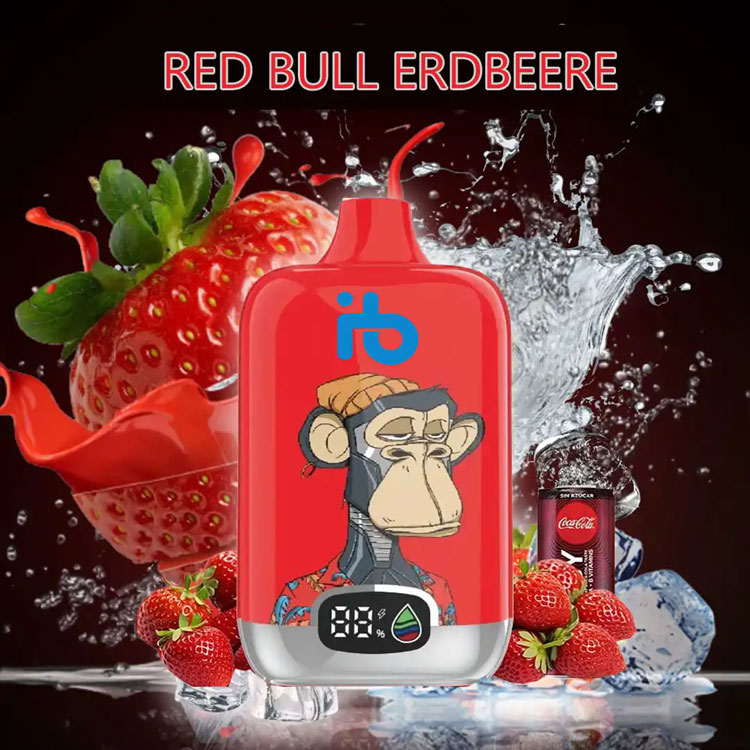
- Though food-grade, flavorings used in e-liquids may break down into potentially harmful compounds when heated.
- Nicotine addiction remains a serious concern due to its highly addictive properties.
- There is some evidence suggesting that exposure to e-cigarette vapor may lead to respiratory issues over time.
Conclusion
In conclusion, while the statement that most e-cigarettes only contain water and flavoring might simplify understanding of their components, it fails to provide a complete picture. These devices incorporate a range of ingredients, including nicotine and chemical carriers like PG and VG, which are pivotal to creating the vaping experience. As research into the health implications continues, users should remain informed about what they are inhaling.
FAQs
Q: Are e-cigarettes less harmful than traditional cigarettes?
A: E-cigarettes are generally considered less harmful than traditional cigarettes because they don’t burn tobacco, but they are not completely risk-free, especially due to the presence of nicotine and inhalation of other chemicals.
Q: Can I get e-liquids without nicotine?
A: Yes, e-liquids are available in nicotine-free versions for users who enjoy vaping without the addictive substance.
Q: What should users consider when choosing e-liquids?
A: Users should consider the nicotine content, the ratio of PG to VG, and the flavoring to ensure it aligns with their preferences and any health considerations they may have.