A practical guide for cautious vapers: understanding ingredients and choices
If you have been researching alternatives to traditional tobacco or you are curious about trends such as en iyi e sigara offerings or simply asking what is in electronic cigarettes, this comprehensive, SEO-friendly guide is built to help conscientious vapers, clinicians, and curious readers. The goal here is not to advocate for vaping, but to provide clear, evidence-informed information about typical components of e-cigarettes, how to evaluate products, and practical steps to reduce risks. Throughout this article key phrases like en iyi e sigara and what is in electronic cigarettes are emphasized for clarity and search relevance, while the content also dives into chemistry, device mechanics, quality signals, and consumer safety practices.
Why clarity matters: the value of knowing product contents
Many people switching from smoking want to know precisely what is in electronic cigarettes because the composition of e-liquids and devices can influence health outcomes, device performance, and overall satisfaction. Consumers searching for keywords such as en iyi e sigara are usually searching for top-rated models, trusted e-liquid formulas, and transparent manufacturers. Transparency in labeling, third-party laboratory testing, and clear descriptions of battery and coil materials are among the top indicators of a manufacturer that cares about safety and quality.
Core components of an e-cigarette
- Battery: supplies power; lithium-ion is common.
- Atomizer / Coil: heats the e-liquid to produce aerosol.
- Tank / Cartridge: holds the e-liquid; options include refillable tanks and disposable pods.
- E-liquid (e-juice): the fluid that is vaporized; composition discussed below.
- Wicks and connectors: often cotton, silica, or ceramic materials that transport liquid to the coil.
Each of the components above can influence both the flavor experience and the potential risks. When searching for a reputable en iyi e sigara, consumers should examine all component materials and available test data.
What makes up most e-liquids?
When people ask what is in electronic cigarettes, they usually mean the e-liquid ingredients. Standard e-liquids typically contain a few primary ingredients:
- Propylene glycol (PG) — a thin, colorless liquid used to carry flavor and provide a throat hit similar to tobacco smoke.
- Vegetable glycerin (VG) — a thicker liquid responsible for large visible vapor clouds and a smoother inhale.
- Nicotine — optional and available in a range of concentrations, including freebase nicotine and nicotine salts.
- Flavorings — food-grade aroma compounds, sometimes dozens combined to produce a complex profile.
Less commonly disclosed but sometimes present are trace water content, preservatives, or pH adjusters. Knowing the ratio of PG to VG is essential for both device compatibility and user preference. A high-PG en iyi e sigara setup might use 70/30 PG/VG for sharper throat sensation, whereas cloud-chasers often prefer 70/30 VG/PG or higher VG blends.
Nicotine forms: freebase vs nicotine salts
One frequent search intent behind what is in electronic cigarettes is understanding nicotine delivery. Nicotine salts are nicotine molecules bound to an acid (such as benzoic acid) resulting in a smoother throat hit at higher concentrations — popular in pod systems and many en iyi e sigara nic-salt e-liquids. Freebase nicotine, by contrast, often produces a stronger throat hit at similar concentrations and has been used in earlier e-liquids. Consumers choosing nicotine strength should know their tolerance, typical cigarette consumption, and device efficiency.
What about flavorings? Are they safe?
Flavorings in e-cigarettes are frequently food-grade compounds used in concentrates for foods and candies. However, inhalation safety is not equivalent to ingestion safety. Some flavor compounds, when heated and aerosolized, can form harmful byproducts or be toxic to lung cells. For example, diacetyl, a buttery-flavor chemical associated with bronchiolitis obliterans in occupational exposures, was historically present in some e-liquids but is now less common in reputable brands. Always prefer manufacturers who list flavor components and provide third-party lab testing for contaminants.
Harmful byproducts formed during vaporization
When e-liquids are heated, thermal decomposition can generate aldehydes (like formaldehyde and acetaldehyde), acrolein, and other carbonyls. The extent of byproduct formation depends on device wattage, coil temperature, e-liquid composition, and user puffing patterns. High-power devices or “dry hits” where the wick runs dry are more likely to produce elevated levels of decomposition products. Searching for a safe en iyi e sigara often includes identifying models with temperature control and proper wicking to avoid overheating.
Metals and particles in aerosol
Hardware wear can release metal particles or traces of elements like nickel, chromium, lead, or tin into aerosol. Coil composition varies: common alloys include Kanthal (iron-chromium-aluminum), Nichrome (nickel-chromium), and stainless steel. Users with metal sensitivities should seek clear coil specifications and consider ceramic coils if concern exists. Independent testing that accompanies a reputable en iyi e sigara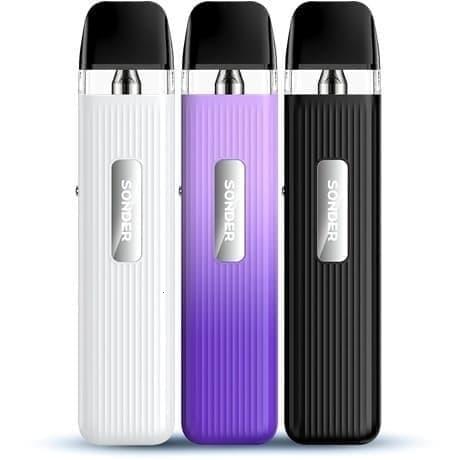 en iyi e sigara guide – what is in electronic cigarettes revealed for cautious vapers” /> can show metal concentrations in emitted aerosol.
Quality signals to look for when choosing an e-cigarette or e-liquid
When researching top-rated options or investigating what is in electronic cigarettes you should prioritize brands that provide:
- Batch-specific third-party lab certificates (COAs) that report nicotine concentrations, solvents, contaminants, and flavoring profiles.
- Clear material disclosure for coils, tanks, and mouthpieces.
- Child-resistant packaging and proper nicotine concentration labeling.
- Reputable customer reviews, transparent recall procedures, and warranty policies.
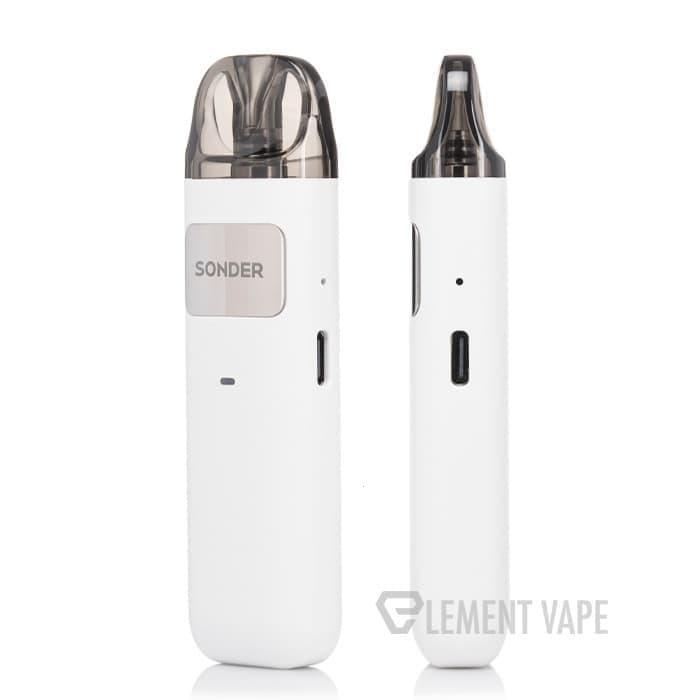
A trustworthy en iyi e sigara manufacturer will be transparent about ingredients, device materials, manufacturing site (GMP, if available), and testing standards. This transparency helps you verify claims and reduce the risk of contaminated products.
How to read e-liquid labels and COAs (certificate of analysis)
Understanding lab reports is a practical skill. A good COA will include measured concentrations of nicotine, levels of solvents like PG and VG, quantification of impurities (e.g., heavy metals, residual solvents), and sometimes individual flavoring chemicals. If a vendor provides only an internal certificate without an independent lab report, consider that a red flag. For those asking what is in electronic cigarettes, COAs provide objective answers beyond marketing language.
Common label claims decoded
- “Pharmaceutical grade nicotine” — often marketing language; evaluate COA to confirm purity and absence of harmful impurities.
- “Natural flavors” — vague; many natural flavor extracts still contain chemicals that may behave differently when inhaled.
- “No diacetyl” — a positive sign, but again verify through independent tests.
Device choices and how they influence composition of the aerosol
Device architecture changes how e-liquids are heated and thus what ends up in the aerosol. Low-power pod systems, often paired with nicotine salts, deliver nicotine efficiently and tend to produce fewer thermal decomposition byproducts due to lower coil temperatures. Sub-ohm devices, favored for cloud production, operate at higher power and can increase the formation of thermal degradation products. If minimizing unknown byproducts is a priority, choose a modest-power device with temperature control and good wicking characteristics, and always use recommended e-liquid viscosities for your device.
Practical tips for risk reduction
- Buy from reputable suppliers and prefer products with third-party analysis.
- Use the device within manufacturer recommendations for coil resistance and wattage.
- Replace coils and wicks regularly to prevent buildup and overheating.
- Avoid DIY e-liquids unless you are trained and have proper equipment; mixing errors can lead to dangerously high nicotine concentrations.
- Store e-liquids securely away from children and pets; nicotine ingestion is hazardous.
Regulation, standards, and what to expect
Regulatory landscapes vary by country. Some jurisdictions require product registration, ingredient disclosure, and testing; others are less regulated. If you search for en iyi e sigara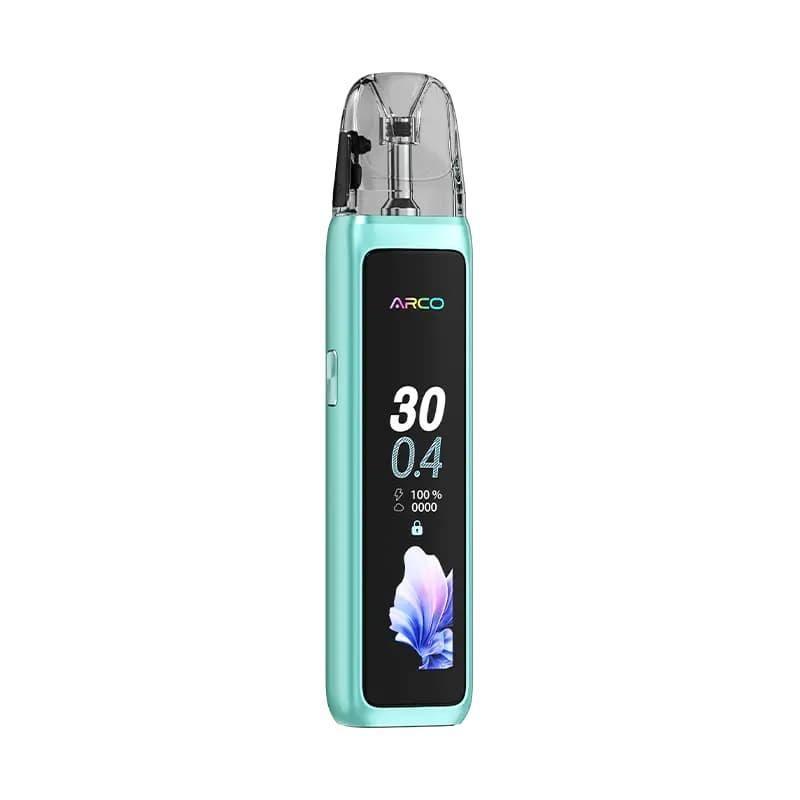 in markets with strong regulation, you’re more likely to find products with predictable ingredient profiles and safety controls. Keep an eye on local laws, age restrictions, and travel advisories since batteries and nicotine liquids may be restricted in air travel and some countries.
Environmental and disposal considerations
Used cartridges, e-liquid bottles, and batteries require responsible disposal. Rechargeable lithium batteries should be recycled at appropriate facilities to avoid fire risk and environmental pollution. Empty e-liquid containers and plastic components should follow local waste-handling rules. Choosing recyclable packaging and refillable systems reduces waste compared to frequent single-use disposables, an important factor for eco-conscious consumers comparing en iyi e sigara options.
Special topics: children, pregnancy, and vulnerable populations
Nicotine exposure is particularly harmful to fetuses and developing adolescents. Even if exploring topics like what is in electronic cigarettes out of academic interest, it’s crucial to underscore that nicotine-containing products should never be used by pregnant people, adolescents, or non-smokers. Harm reduction strategies with e-cigarettes are aimed at adult smokers who cannot or will not quit by other means; they are not harm-free alternatives and are not intended for new users who have never smoked.
How to evaluate claims like “best” or “en iyi”
Many lists claim the “best” or the “en iyi e sigara” — but “best” depends on priorities: nicotine delivery, flavor fidelity, cloud production, portability, battery life, and safety records. A rigorous evaluation checklist includes: product testing results, manufacturer transparency, community reputation, ease of maintenance, and device ergonomics. Combining these objective metrics with personal preferences yields the most reliable selection process.
Questions to ask before buying
- Are there lab reports for every batch of e-liquid?
- What materials are used in the coil and tank? Are there allergy concerns?
- Does the device support temperature control or power limits to avoid overheating?
- Is there an accessible customer support and warranty?
Remember: search terms like en iyi e sigara or queries about what is in electronic cigarettes
are starting points. Prioritize evidence, independent testing, and clear labeling over marketing claims.
Practical maintenance checklist
Maintaining a device reduces the chance of overheating and unwanted byproducts. Basic maintenance includes: regular coil and wick replacement, careful filling to avoid leaks, cleaning contact points, and avoiding chain vaping that keeps coils too hot. Keep an eye on flavor changes which may indicate coil degradation or contamination.
Final considerations and balanced perspective
To summarize: understanding what is in electronic cigarettes empowers users to make informed choices. While e-cigarettes often contain fewer combustion products than cigarettes, they are not risk-free. Selecting a trusted en iyi e sigara means looking for transparency, verified lab results, good manufacturing practices, and user-friendly devices that reduce the chance of overheating. If you are considering switching from smoking to vaping for harm reduction, consult healthcare providers and prioritize products with clear safety documentation.
Further reading and credible resources
Look for peer-reviewed journals, public health agency guidance, and independent laboratory reports when conducting further research. Academic reviews and regulatory documents are especially useful for understanding long-term trends and mechanistic studies related to aerosol chemistry.
FAQ
- Q: How often should I replace an e-cigarette coil?
- A: Coil lifespan depends on usage, e-liquid sweetness, and device power. Typical ranges are 1-3 weeks for moderate users; replace when flavor degrades, vapor production falls, or you notice a burnt taste.
- Q: Are all flavorings safe to inhale?
- A: Not necessarily; many flavorings are safe for ingestion but not for inhalation. Prefer manufacturers that test flavor compounds and avoid products with controversial chemicals like diacetyl.
- Q: Can third-party lab tests be trusted?
- A: Independent, accredited labs offer higher confidence. Check lab accreditation and ensure reports are unaltered batch-specific COAs rather than generalized statements.
By focusing on transparency and evidence, and by asking precise questions about composition and testing, informed vapers can better navigate the marketplace when comparing en iyi e sigara options and answering the persistent query what is in electronic cigarettes.