The Intriguing Origins of Papieros Elektroniczny and E Cigarette Invention
Papieros elektroniczny, often referred to in English as the electronic cigarette or simply e-cigarette, has revolutionized the world of nicotine consumption. The rise and spread of the e cigarette invention is a fascinating tale of technological innovation, cultural change, and ongoing global debates. In this comprehensive overview, we’ll delve deep into the history, development, impact, and future potential of the papieros elektroniczny while highlighting the intricate process behind the e cigarette invention.
The Early Concepts: Seeds of the Papieros Elektroniczny Revolution
The concept of a device simulating the action of smoking without combustion can be traced back to the mid-20th century. As the dangers of smoking became more evident, inventors began exploring alternatives. However, a genuine e cigarette invention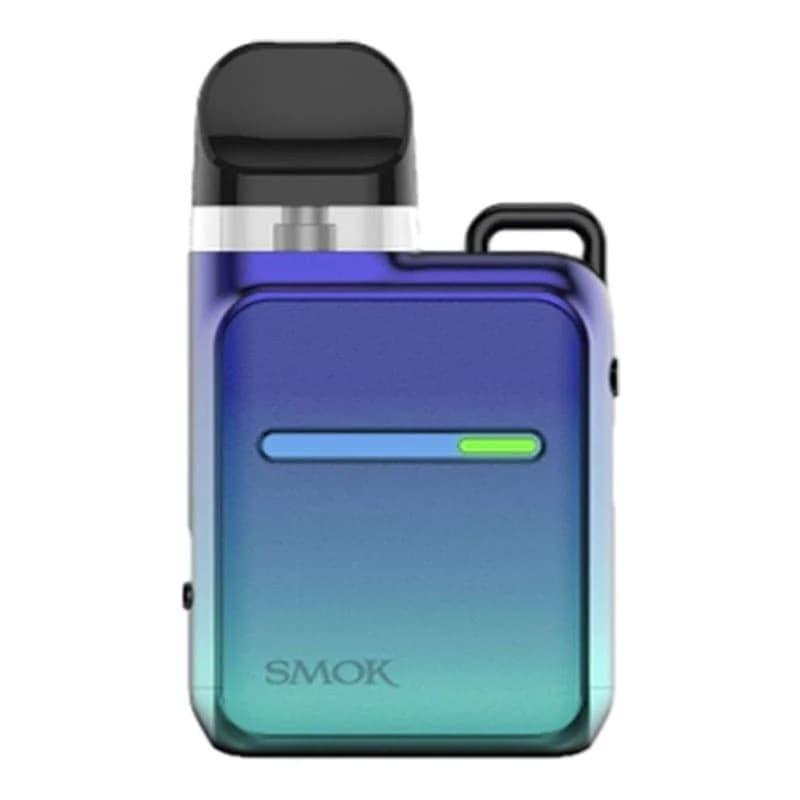 would not materialize until decades later. The initial ideas, though primitive, formed the groundwork for what would become the modern papieros elektroniczny.
The Game-Changing Invention by Hon Lik
The e cigarette invention that sparked a global movement originated in China in 2003, developed by pharmacist Hon Lik. Motivated by the loss of his father to smoking-related illness, Hon Lik sought a safer way to provide nicotine. His battery-powered device vaporized a nicotine-based solution, providing both the physical sensation and behavioral rituals of smoking without the harmful byproducts of combustion. This was the direct forerunner of today’s papieros elektroniczny products.
Global Expansion and Adoption
After its debut in China, the e cigarette invention quickly gained traction worldwide. By 2006, the papieros elektroniczny market had spread to the US, Europe, and beyond. This expansion introduced millions of smokers and non-smokers to the concept of vaping. The adaptability of papieros elektroniczny — with adjustable nicotine levels, varied flavors, and sleek designs — helped rapidly build its popularity and stirred debates among health experts.
Technical Evolution: How the E Cigarette Invention Improved Over Time
- The first-generation papieros elektroniczny devices, often called “cigalikes,” closely resembled traditional cigarettes in appearance. These devices were simple and user-friendly but limited in battery life and vapor production.
- Second-generation devices, known as vape pens, offered longer battery life, refillable tanks, and more robust heating mechanisms. These advances allowed users to customize their experience, increasing the appeal of papieros elektroniczny devices.
- The third and most modern generation brought advanced personal vaporizers, box mods, and pod systems, enabling even greater user control over settings such as power, airflow, and nicotine concentration. This has defined the next wave of the e cigarette invention.
Variations in Papieros Elektroniczny Technology
Modern papieros elektroniczny options span from discreet, lightweight pods to advanced sub-ohm tanks and modular kits. The integration of smart technologies, USB charging, and temperature regulation distinguish the latest generation from their rudimentary ancestors—making the e cigarette invention an ever-evolving industry.
Impact of Papieros Elektroniczny on Smoking Culture and Public Health
As papieros elektroniczny use has become more widespread, its effects on public health and culture have been subjects of intense scrutiny. Proponents argue that the e cigarette invention offers a harm-reduction alternative to traditional smoking, supplying nicotine without exposing users to tar and carcinogens found in combustible cigarettes.
Smoking cessation has become a central theme in public discussions, with papieros elektroniczny often positioned as a viable solution for adults seeking to quit regular smoking. Clinical studies and real-world usage continue to shape our understanding of the true benefits and risks associated with this growing phenomenon.
Regulatory Responses and the e cigarette invention Debate
Governments worldwide have reacted to the rapid spread of papieros elektroniczny with a spectrum of regulatory stances. In some countries, e cigarette invention is embraced as a harm-minimization innovation, subject to quality controls and advertising restrictions. Other regions have imposed outright bans or tight marketing limitations, citing concerns about youth access, unknown long-term effects, and the allure of flavored products.
The ongoing debate centers on balancing the potential benefits for adult smokers with concerns around new users and underaged vaping. As more research emerges, regulations around papieros elektroniczny and the e cigarette invention will likely continue to evolve.
Consumer Experiences: Why Users Choose Papieros Elektroniczny
- Personalization: The e cigarette invention allows users to select flavors, nicotine strengths, and device styles, enhancing satisfaction.
- Potential cost savings: Over time, investing in a reusable papieros elektroniczny can be less expensive than buying traditional cigarettes daily.
- Social factors: Vaping produces no lingering smoky odor, and some locations permit papieros elektroniczny use indoors.
Papieros Elektroniczny for Harm Reduction
Many experts recognize the e cigarette invention as a significant stride toward harm reduction. Though not risk-free, transitioning to papieros elektroniczny may reduce exposure to many toxic compounds linked to smoking-related illnesses. The role of papieros elektroniczny in tobacco control strategies is a hot topic in public health circles.
The Science Behind the E Cigarette Invention
The core of every papieros elektroniczny is a battery-powered atomizer that heats a liquid (typically a mix of propylene glycol, vegetable glycerin, nicotine, and flavorings), turning it into a vapor the user inhales. The ingenuity behind the e cigarette invention lies in delivering nicotine efficiently while avoiding combustion. Driven by research and consumer feedback, engineers continue to enhance safety, battery life, vapor production, and overall user satisfaction.
Papieros Elektroniczny vs Traditional Cigarettes
The striking difference between a traditional cigarette and a papieros elektroniczny: while the former burns tobacco to release nicotine, the latter vaporizes a nicotine solution. This fundamental shift underpins the e cigarette invention as a disruptive force in the industry. Smokers looking to quit or reduce their exposure to harmful substances increasingly turn to papieros elektroniczny as a plausible alternative.
Innovation in E Cigarette Invention: What the Future Holds
Continuous advancements in battery technology, safety features, and e-liquid formulations point toward an exciting future for papieros elektroniczny. The next wave of e cigarette invention may include smart features like Bluetooth connectivity, digital puff tracking, and adaptive nicotine delivery. Innovations aim to enhance convenience, sustainability, and harm reduction for users worldwide.
Papieros Elektroniczny in Pop Culture and Social Norms
As papieros elektroniczny becomes integrated into pop culture, public perceptions shift from viewing them as mere novelties to legitimate alternatives to smoking. Celebrities, influencers, and online communities promote various aspects of the e cigarette invention
 —from unboxing the latest devices to sharing tips on switching from traditional smoking. This visibility shapes both consumer choices and wider societal attitudes toward harm-reduction technologies like papieros elektroniczny.
The Challenges and Controversies Surrounding Papieros Elektroniczny
Despite their promise, papieros elektroniczny products continue to face significant challenges. Concerns include the rise in youth vaping, the presence of counterfeit or unsafe products, and unresolved questions over long-term health impacts. The e cigarette invention, though lauded for harm reduction, still faces scrutiny as researchers work to untangle its broader effects on public health.
Conclusion: The Lasting Impact of E Cigarette Invention
In summary, the fascinating history and continual evolution of papieros elektroniczny demonstrate the enduring influence of the e cigarette invention on society, health, and technology. From their conception by Hon Lik to the refining of advanced vaping systems, these devices have catalyzed debate, innovation, and monumental change in nicotine consumption worldwide. Whether viewed as a progressive step toward harm reduction, a consumer trend, or a public health challenge, the ongoing journey of the papieros elektroniczny is far from over—shaping conversations and policies for years to come.
Frequently Asked Questions
- What makes papieros elektroniczny different from traditional cigarettes?
- Papieros elektroniczny uses an atomizer to vaporize a liquid solution, providing nicotine without the combustion and tar found in regular cigarettes, which greatly reduces harmful byproducts.
- Who invented the first e cigarette?
- The first modern e cigarette was invented by Chinese pharmacist Hon Lik in 2003, marking a pivotal moment in the history of nicotine alternatives.
- Are papieros elektroniczny devices safe?
- While many experts believe they are less harmful than traditional smoking, ongoing research is necessary to fully understand potential health risks. Using regulated, high-quality products and following manufacturer instructions can help minimize potential dangers.