Understanding POD Systeme and Their Rising Popularity
POD Systeme have revolutionized the vaping world in recent years, offering a compact, user-friendly alternative to traditional vaping devices. These innovative systems consist of a battery and a replaceable or refillable pod, often pre-filled with POD Systeme e-liquid. This simplicity, combined with modern design, attracts both beginners and seasoned vapers seeking convenience and discretion. While POD Systeme are easy to use, questions regarding their health implications, especially in the context of e cigarette cancer risk, are often raised. Understanding the mechanisms behind POD Systeme is essential for anyone considering them as a harm reduction tool.
How Do POD Systeme Work?
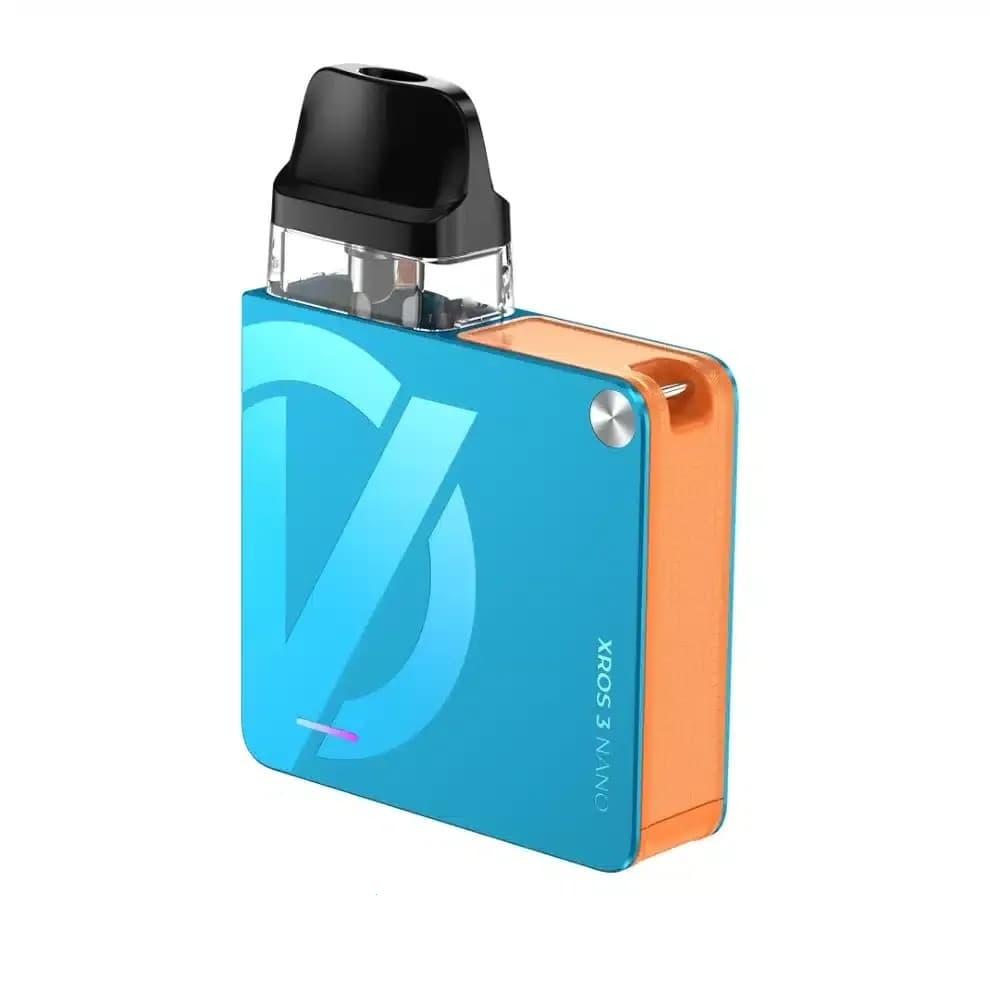
POD Systeme operate by heating a liquid (usually containing nicotine and flavors) to create an inhalable aerosol. Unlike bulky box mods or customizable tank systems, POD Systeme are engineered for portability and minimal maintenance. Their pods are designed to reduce leaking and promote consistency in vapor production. As their technology progresses, many users question whether POD Systeme represent a safer alternative, especially with regards to risks like e cigarette cancer.
The Components of POD Systeme
- Battery: Powers the heating element, often rechargeable via USB.
- Pod: Contains the e-liquid and coil. Pods are either pre-filled (closed system) or refillable (open system).
- Coil: Heats up to vaporize the e-liquid, sometimes made from ceramic or metal alloys.
- Sensors: Many devices use automatic draw activation, eliminating the need for button presses.
Are POD Systeme a Safer Option? Examining the Evidence on E Cigarette Cancer Risks
With discussions around e-cigarettes and their links to e cigarette cancer risk, attention often shifts to the comparative safety of POD Systeme. Studies indicate that while vaping is generally considered less harmful than traditional combustible cigarettes, the long-term effects of aerosol inhalation and exposure to potentially carcinogenic substances are not fully understood. POD Systeme typically use nicotine salts, which may deliver higher nicotine concentrations with less throat irritation. This can decrease usage of traditional cigarettes but raises concerns about the health impacts of concentrated nicotine vapor, especially regarding any carcinogenic risks.
What Makes POD Systeme Different from Other E-Cigarettes?
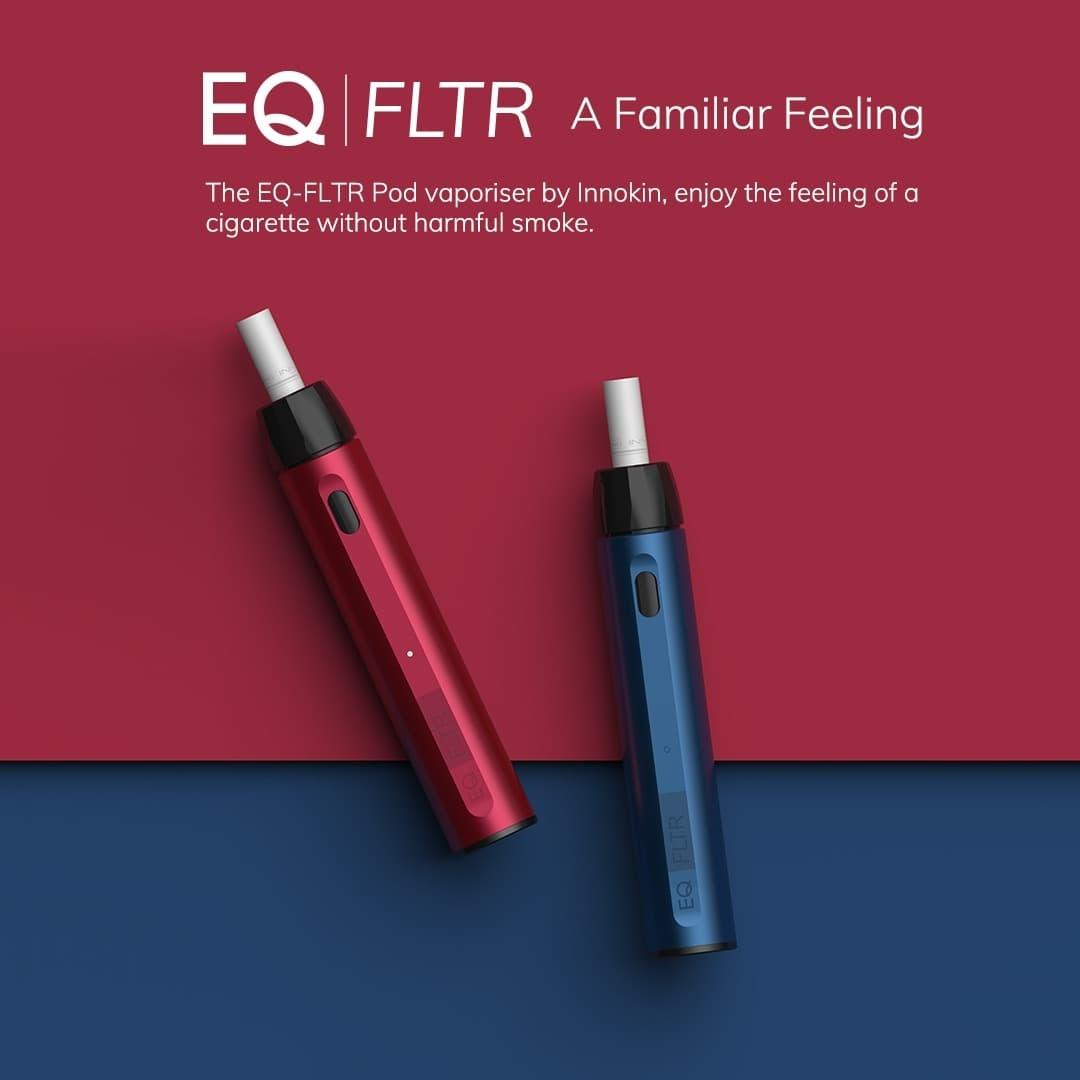
POD Systeme differ from larger, older vape devices in several ways:
- Simplified design, reducing user error and maximizing consistency.
- Use of nicotine salts, allowing smoother, more potent nicotine delivery.
- Less power consumption, meaning less degradation of e-liquid components, which some experts argue could minimize formation of certain toxic compounds.
However, critical evaluation is required as some substances found in the vapor, such as formaldehyde, acetaldehyde, and heavy metals, have been linked in research studies to an increased e cigarette cancer risk, particularly when cheap or counterfeit pods are used.
Ingredients in POD Systeme Pods: What Are You Inhaling?
Most POD Systeme pods consist of propylene glycol, vegetable glycerin, nicotine, and flavorings. Although these ingredients are generally regarded as safe for ingestion, inhalation presents a different set of risks. For example, while propylene glycol and vegetable glycerin break down into relatively simple compounds, toxic byproducts can form if the device overheats the liquid. Additionally, flavorings safe for oral consumption may be harmful when inhaled, especially over long durations, potentially contributing to e cigarette cancer risks.
The Relationship Between E Cigarette Cancer and POD Systeme Use
Research on the direct link between POD Systeme and e cigarette cancer is evolving. Current studies show e-cigarettes emit significantly fewer toxins compared to traditional cigarettes. However, some elements in pod vapor, such as certain aldehydes and trace metals, are classified as carcinogenic or potentially carcinogenic. The risk largely depends on device quality, pod composition, and frequency of use.
According to multiple public health agencies, switching from cigarettes to POD Systeme can lower overall exposure to known tobacco carcinogens, but “lower risk” does not mean “risk-free.” Particularly, teenagers and non-smokers should exercise caution before starting any form of nicotine use.
Factors Impacting E Cigarette Cancer Risk in POD Systeme
- Quality of Pods: Counterfeit or low-quality pods without proper safety testing may release more harmful chemicals.
- Nicotine Content: High levels of nicotine can promote addictive behavior and subsequent overuse, increasing overall exposure to toxicants.
- Usage Habits: The intensity, duration, and frequency of POD Systeme use directly impact cumulative risk.
- Device Maintenance: Poorly maintained devices can overheat, generating more harmful byproducts.
Comparing POD Systeme to Other Smoking Alternatives
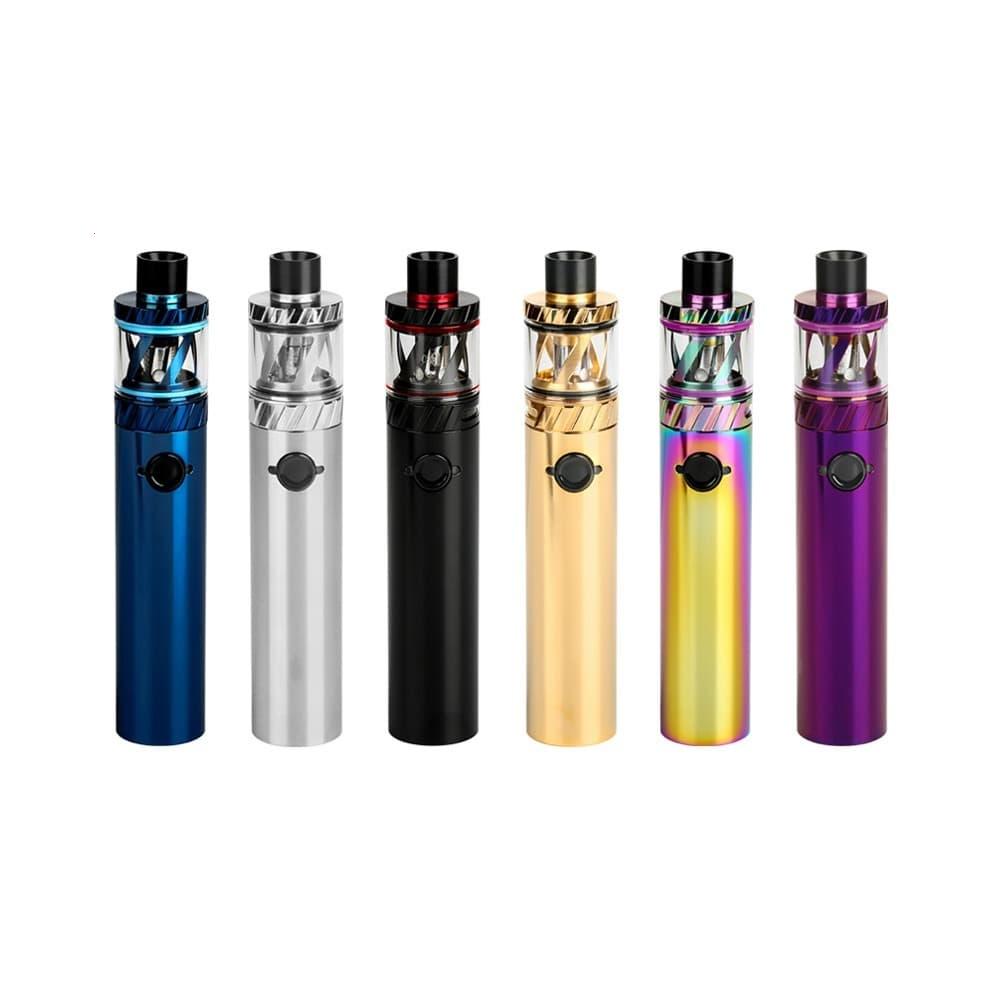
When comparing POD Systeme to combustible cigarettes, research consistently shows that e-cigarettes, regardless of the system, expose users to fewer and lower concentrations of carcinogens. Compared to earlier generations of vaping products, POD Systeme often deliver more consistent vapor and controlled doses, possibly reducing the spike in toxic emissions associated with device misuse. However, authoritative bodies like the CDC and WHO caution that the aerosol produced by POD Systeme still contains substances that could potentially cause e cigarette cancer over time, particularly if used at high temperatures or by vulnerable populations.
Public Health Perspective on POD Systeme Safety
Organizations including the UK’s NHS and US FDA recognize the harm reduction potential of POD Systeme for smokers unable to quit by other means. Yet, they repeatedly stress the importance of regulation, quality assurance, and ongoing research. The consensus is that while switching from smoking to POD Systeme can help reduce exposure to proven carcinogens, no e-cigarette product—including pods—has been proven completely safe, and the debate about e cigarette cancer risk continues.
Is POD Systeme the Best Choice for Those Concerned About E Cigarette Cancer?
For smokers looking to transition away from tobacco cigarettes, POD Systeme can be a valuable harm reduction tool. The lower emissions of carcinogens, ease of use, and accessibility make them a common choice. Nonetheless, users must remain mindful of product quality, proper usage, and the current scientific consensus, which acknowledges existing risks of e cigarette cancer, albeit at reduced levels compared to traditional smoking. The safest option, public health agencies agree, is to refrain from all nicotine products when possible.
Tips to Minimize Health Risks When Using POD Systeme
- Always buy genuine, high-quality POD Systeme devices and pods from reputable sources.
- Avoid modifying devices, as alterations may increase the risk of toxic exposure.
- Regularly clean and maintain your pod device to ensure optimal performance and reduce overheating.
- Stay informed about new research regarding POD Systeme and e cigarette cancer risks.
- Monitor your usage and consider seeking professional advice if you wish to quit nicotine altogether.
Conclusion: POD Systeme may offer a less harmful alternative for those seeking to reduce their tobacco-related cancer risks, but it is crucial to approach them with a clear understanding of potential hazards, especially around e cigarette cancer. With research still ongoing, making informed choices and prioritizing health remains paramount.
FAQ: POD Systeme and E Cigarette Cancer Risks
- Are POD Systeme completely safe?
- No, while they are considered less harmful than traditional cigarettes, they are not risk-free. Some substances in vapor can be harmful with prolonged exposure.
- Do POD Systeme cause cancer?
- There is no definitive evidence that POD Systeme alone cause cancer, but certain chemicals present in the vapor have been linked to increased cancer risk in long-term studies.
- Is nicotine salt in pods more dangerous than regular nicotine?
- Nicotine salts allow higher concentrations of nicotine but are not inherently more cancer-causing than freebase nicotine. The main concern is the total exposure to vapor components.