E-cigarettes have become a popular alternative to traditional smoking, but many people wonder what exactly goes into these vaping devices. It’s a common misconception that e-cigarettes only contain water and flavoring. However, vaping involves the use of e-liquids, which typically have a more complex composition. Understanding the contents of these e-liquids is crucial for users who are health-conscious or curious about what they’re inhaling.
Composition of E-Liquids
One of the primary components of vape juice is the base, consisting of propylene glycol (PG) and/or vegetable glycerin (VG). PG is known for its ability to carry flavor better and provides a throat hit similar to tobacco, while VG offers a smoother taste and is used for more vapor production. Both PG and VG are substances commonly used in food products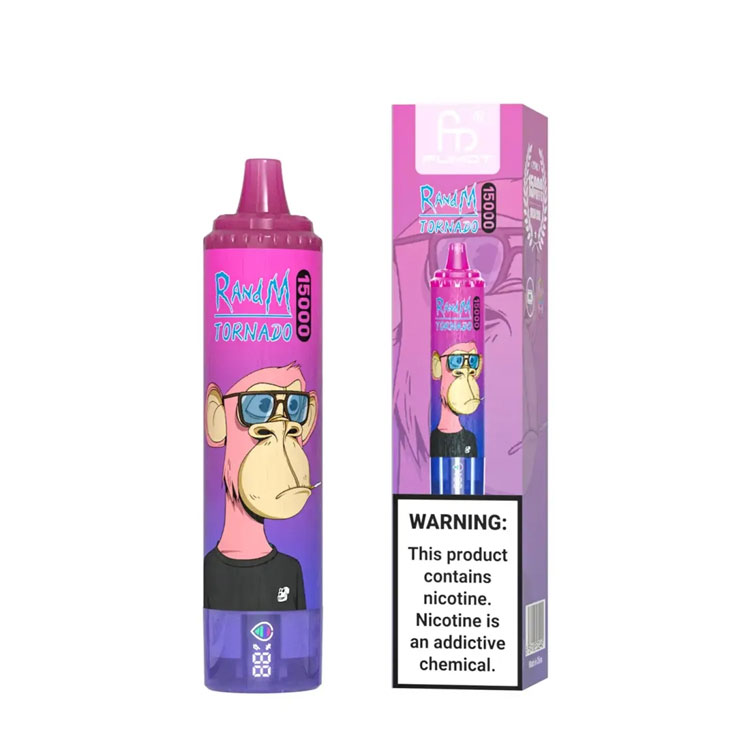 , cosmetics, and pharmaceuticals, indicating a certain level of safety in consumption.
An important element in many e-cigarettes is nicotine, an addictive chemical derived from tobacco plants. The nicotine content can vary widely across different products, appealing to those seeking to quit smoking or reduce their nicotine intake gradually. While some e-liquids are nicotine-free, many brands offer varying strengths, from low to high nicotine concentrations, accommodating different preferences.
Flavoring and Chemical Additives
Besides the base and nicotine, e-liquids are enriched with flavoring ingredients. These flavors range from traditional tobacco to fruity, candy, and even dessert-like options, aiming to cater to a broad audience. Flavorings are generally considered safe, being similar to those used in food products, but the act of inhalation may present different health implications compared to ingestion.
Additional chemicals might be included as additives to achieve specific effects or enhance the overall vaping experience. It’s crucial for users to research these additives, as their long-term health impacts are still under study. Ingredients such as diacetyl, acetyl propionyl, and others have raised concerns due to potential lung damage.
Water Content in E-Liquids
While water is present in e-liquids, it is not the predominant ingredient. Its role is minor compared to PG and VG, mainly contributing to the consistency of the vape juice rather than being a key component. Users should not assume e-cigarettes are merely water vapor, as this mischaracterization overlooks the myriad other substances involved.
Research and Regulations
The e-cigarette industry is subject to varying levels of regulation, depending on the region. As scientific research progresses, regulatory bodies often adapt their guidelines to ensure consumer safety. It’s recommended that users choose products from reputable manufacturers that adhere to these standards. This ensures that the e-liquids meet safety criteria and have been tested for harmful substances.
Consulting scientific studies can provide further insight into the health effects of vaping. While vaping is considered less harmful than smoking traditional cigarettes, it is not without risks.
FAQ
1. Do e-liquids contain harmful chemicals?
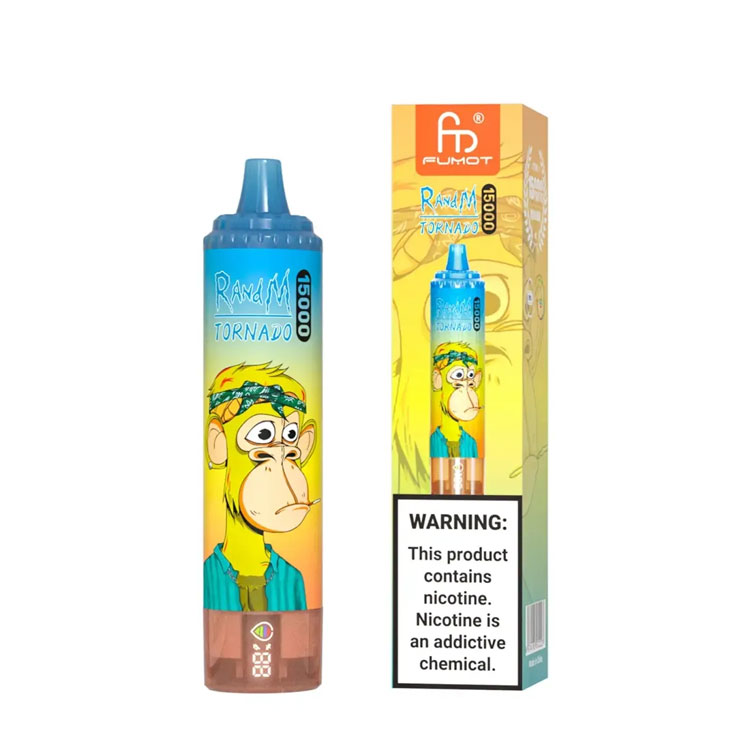
Some e-liquids may contain chemicals that could be harmful, such as diacetyl or formaldehyde, depending on their formulation. It is advisable to review ingredient lists and opt for e-liquids from brands that adhere to safety standards.
2. Can I find e-liquids without nicotine?
Yes, many brands offer nicotine-free e-liquids for those who prefer to enjoy vaping without the addictive effects of nicotine. These options focus on flavor enjoyment and the sensory experience of vaping.
3. Is vaping safer than smoking?
While vaping is generally considered less harmful than traditional smoking, it still carries health risks, especially with long-term use. Users should stay informed about research developments and understand potential risks associated with different ingredients.