In recent years, the use of e-cigarettes has become a topic of significant discussion and debate in Australia. Understanding the intricate web of e-cigarette laws in Australia is crucial for both consumers and retailers. As the government continually updates and revises regulations, staying informed is key to complying with the law while making informed decisions about e-cigarette use.
Understanding E-Cigarette Regulations
E-cigarettes, also known as vapes, have been subject to a diverse range of legal requirements in Australia. The regulatory framework surrounding e-cigarettes includes restrictions on sales, advertising, and even the possession of nicotine-based e-liquids. It’s essential to recognize that while e-cigarettes themselves are not illegal, the sale and possession of e-liquid containing nicotine are heavily regulated.
Legal Status of E-Cigarettes
Australia has taken a precautionary approach towards e-cigarettes, imposing stringent regulations. The Therapeutic Goods Administration (TGA) plays a pivotal role in the regulation, as it oversees any products containing nicotine. E-cigarettes without nicotine are legal; however, to legally possess or use nicotine for e-cigarettes, individuals must have a prescription from an authorized medical professional.
Why the Stringent Regulations?
The rationale behind Australia’s stringent e-cigarette regulations primarily stems from public health concerns. Authorities emphasize the potential risks associated with nicotine addiction and its effects on public health. Additionally, there is a concerted effort to prevent e-cigarette use among minors, adhering to the precautionary principle due to the long-term health effects of e-cigarettes still being relatively unknown.
The Impact on Retailers
Retailers face a complex landscape where they must ensure compliance with national and state laws. It’s crucial to refrain from making unauthorized sales of nicotine e-liquids, as penalties can be severe. Proper labeling and packaging are also requirements to maintain legality. Retailers should stay abreast of ongoing changes in legislation to mitigate any potential legal repercussions.
Consumer Advice
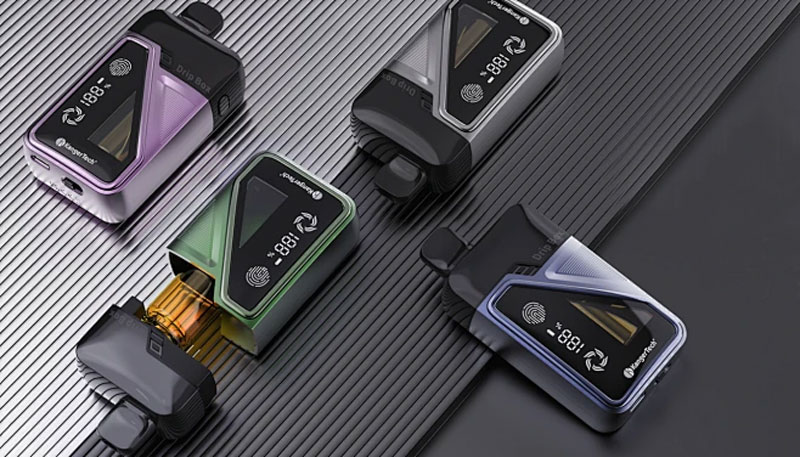
For consumers, awareness and education are key. When purchasing e-cigarettes or e-liquids, buyers must ensure that any nicotine content is obtained legally, with the necessary prescription. This not only safeguards the consumer from legal consequences but also promotes informed decisions surrounding their health.
Choosing reputable retailers and understanding the source of e-liquids can substantially reduce the risk of purchasing illegal products. Moreover, consulting a healthcare provider can provide valuable insights into safe practices and potential health risks associated with e-cigarette use.
Future Considerations

The landscape of e-cigarette regulations in Australia is ever-evolving. As research progresses and public health data becomes more available, regulatory bodies may further adapt their approach to e-cigarette usage. Stakeholders should remain vigilant and proactive in following legislative developments to stay compliant and informed.
- Can I legally buy e-cigarettes online in Australia?
Yes, you can purchase e-cigarettes online, but be cautious about the nicotine content. Ensure you have the appropriate prescription, and confirm that the retailer complies with Australian laws.
- What is an e-cigarette prescription?
An e-cigarette prescription is a medical authorization obtained from a healthcare professional allowing you to legally purchase and use nicotine-based e-liquids in Australia. It’s a crucial requirement for legal possession and use.
- Are there e-cigarette bans in public places?

Many regions impose restrictions similar to traditional smoking bans, preventing e-cigarette use in public spaces. It’s wise to familiarize yourself with local laws to ensure compliance.