Choosing the Right Vape Strength: A Practical Guide
Vapers who research devices and solutions often come across brand-focused comparisons and technical breakdowns. This article explains how to pick an appropriate nicotine strength while highlighting brand-specific guidance and a practical IBvape perspective and an e cigarette strength comparison approach that helps readers match product potency to personal need. Whether you are new to nicotine salts, switching from traditional cigarettes, or fine-tuning your daily routine, the following sections outline the logic behind potency selection and explain how IBvape product lines fit into common use-cases. For SEO-focused clarity, the phrases IBvape and e cigarette strength comparison appear throughout to support discoverability and to provide consistent relevance for people searching terms like “IBvape|e cigarette strength comparison“.
Why nicotine strength matters
Understanding nicotine concentration is the first step in optimizing your experience. Nicotine strength influences throat hit, satisfaction, and how frequently you vape. In an e cigarette strength comparison, devices and juices are rarely identical; they vary by formulation (freebase vs. nicotine salts), PG/VG ratio, coil resistance, and airflow. When assessing options labeled by IBvape or other brands, remember that numbers like 3mg, 6mg, 12mg, and 20mg are shorthand for milligrams of nicotine per milliliter of e-liquid, and they are only one part of the full performance equation.
Nicotine types and their effects
Freebase nicotine and nicotine salts deliver nicotine differently. Freebase nicotine is often used in sub-ohm, cloud-producing setups and can feel harsher at higher milligram levels. Nicotine salts are chemically modified for smoother delivery at higher concentrations, which is why a low-power pod device can use 30-50mg salts to provide cigarette-like satisfaction without harshness. Brands such as IBvape may offer both styles; performing an e cigarette strength comparison between salt and freebase versions of similar flavors is essential to understand the practical differences in throat hit and nicotine absorption speed.
Common nicotine concentration tiers
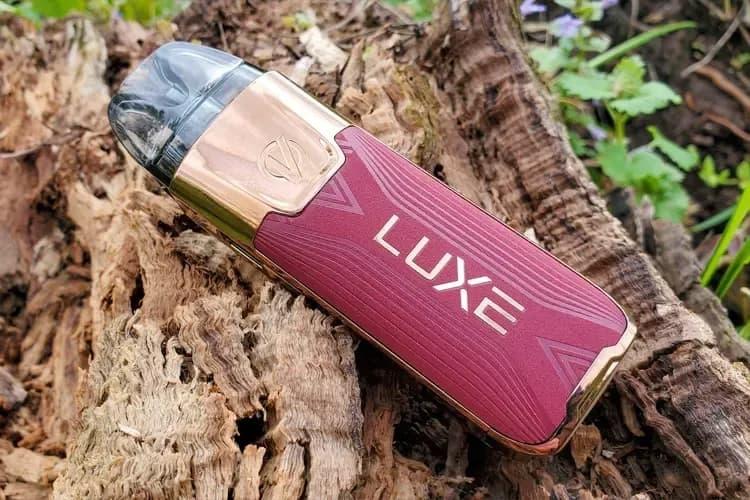
- 0 mg/ml — nicotine-free options for flavor and vapor enjoyment only.
- 1-3 mg/ml — suitable for very light smokers, social vapers, or those weaning off nicotine.
- 6-12 mg/ml — intermediate strengths often used by moderate cigarette consumers and users of low-power devices.
- 20+ mg/ml or 20-50 mg/ml salts — intended for heavy smokers or those using low-wattage pod systems; nicotine salts deliver similar satisfaction to cigarettes at these levels without excessive harshness when matched with the right hardware.
How to perform an e cigarette strength comparison
When you compare strengths across brands, including IBvape, consider more than label values. The actual experience depends on:
- Device power and coil resistance — sub-ohm versus pod systems.
- Nicotine formulation — salt versus freebase.
- PG/VG ratio — higher PG = stronger throat hit and faster flavor delivery; higher VG = denser vapor and smoother throat.
- Personal smoking history — how many cigarettes per day and how quickly you inhale.
To conduct a practical comparison: pick two similar flavor profiles, one with nicotine salts and one with freebase nicotine, and try matched strengths across the relevant device types. Track how often you vape, throat hit perception, and whether you experience nicotine cravings between sessions. Document results and adjust strength up or down accordingly. This methodical testing is core to any meaningful IBvape or e cigarette strength comparison.
Finding your starting point
For most ex-smokers trying to replicate cigarette nicotine delivery:
- Light smoker (under 5 cigarettes/day): start with 3 mg or lower if using sub-ohm; 6-10 mg salts in low-power pod devices.
- Moderate smoker (5-15 cigarettes/day): try 6-12 mg freebase in low-moderate power devices or 20 mg salts in pod devices.
- Heavy smoker (15+ cigarettes/day): consider 12-18 mg freebase in restricted direct-lung devices, or 25-50 mg nicotine salts in mouth-to-lung pod kits.
These are starting recommendations — individual biochemistry, device type, and vaping patterns change the final choice. An IBvape line might list strengths in familiar increments; use that as a quick shorthand, and then refine based on real-world use.
Practical steps to adjust nicotine level
- Start with a conservative level based on your cigarette consumption and device type.
- Track cravings for 48–72 hours: are you reaching for the device more often? Do cravings persist? If yes, consider raising the strength by one step.
- Conversely, if you feel lightheaded, dizzy, or nauseous, drop the strength to the next lower level and re-evaluate your device settings.
- If switching from high-strength salts to lower freebase nicotine in sub-ohm setups, expect to vape more frequently; monitor total nicotine intake and adjust accordingly.
How IBvape product lines typically present strengths
Brands like IBvape usually categorize offerings by both flavor profile and nicotine concentration. Some brands emphasize convenience with prefilled pods at fixed strengths, while others allow custom freebase mixes. When reading product descriptions, focus on the nicotine format (salt vs freebase), the listed mg/ml, and device compatibility. An accurate e cigarette strength comparison requires grouping similar hardware types to avoid misleading conclusions: comparing a 3mg sub-ohm e-liquid with a 20mg salt in a pod system will show dramatic differences that are largely due to the device and formulation, not only the numeric concentration.
Tapering strategies and quitting
For those using vaping as a cessation tool, gradual reduction is common. Start with a strength that suppresses cravings and then decrease the mg/ml in controlled steps every 2–4 weeks. This measured approach allows the body to adjust while minimizing withdrawal symptoms. Brands including identifiers like IBvape may offer step-down kits that simplify the transition from higher to lower strengths. In an e cigarette strength comparison of tapering approaches, nicotine salts often help initial transition by providing immediate satisfaction, then switching to freebase at lower levels can support long-term weaning.
Flavor, PG/VG, and perceived strength
Perception of strength isn’t solely nicotine-driven. High-PG formulations can make flavors and throat hit feel stronger, which may influence your choice. Conversely, high-VG liquids can mask throat hit leading users to choose higher nicotine levels to achieve equivalent satisfaction. When performing an e cigarette strength comparison involving IBvape products, compare similar PG/VG ratios to isolate the nicotine effect. If you change flavor or ratio, re-evaluate your nicotine level rather than assuming the previous strength will feel the same.
Common pitfalls to avoid
- Assuming strength numbers across brands are directly comparable without considering nicotine type and device.
- Switching device style (sub-ohm vs pod) without adjusting nicotine — the same mg/ml will perform differently.
- Ignoring symptoms of excess nicotine such as headaches, nausea, sweating, or rapid heartbeat.
Special considerations: youth safety and regulations
Nicotine is addictive and not appropriate for adolescents, pregnant individuals, or anyone with certain medical conditions. Responsible brands, including many reputable lines such as IBvape, provide age-gating and clear labeling. When doing any consumer-level e cigarette strength comparison, check local regulations — some regions limit maximum nicotine concentrations or require specific packaging and health warnings.
Troubleshooting common experience issues
If you feel unsatisfied after switching to a new strength or brand: consider switching nicotine type (salt vs freebase), try a different PG/VG ratio, or change your device’s power settings. If you experience adverse reactions (dizziness, severe nausea, chest pain), discontinue use and seek medical advice. In comparative testing between products, record feelings after 15 minutes, 1 hour, and 24 hours to assess whether the chosen strength is meeting your needs.
How to compare labels effectively
Labels may include mg/ml, percentage nicotine by weight, or terms like “light” or “strong.” Use mg/ml for the most direct comparison. If a label indicates percentage (e.g., 2% = 20 mg/ml), be sure to convert units when comparing across products, including any IBvape offerings you examine. Keep device compatibility in mind: low-resistance coils with high-wattage can make a low mg/ml feel more intense because of the larger volume of vapor produced.
Checklist before buying
- Identify your smoking baseline (cigarettes/day).
- Decide on device type (pod, pod-mod, sub-ohm tank).
- Choose nicotine type: salt for quick satisfaction in low-power devices, freebase for larger cloud setups.
- Start conservative and document your experience for at least three days before changing strength.
With a structured approach, an e cigarette strength comparison becomes a personalized optimization process rather than guesswork. Brands like IBvape often provide clear strength labels and suggested device pairings; use those as a starting guide and then refine for personal comfort.
Additional tips for experienced vapers
If you already vape frequently and prefer large clouds, you may tolerate lower mg/ml values but inhale greater total nicotine per session. Conversely, low-power MTL (mouth-to-lung) devices paired with nicotine salts can be deceptively potent despite lower vapor volume. Remember that nicotine tolerance changes over time; reassessing your chosen strength every few months is a practical habit, especially after lifestyle changes that affect nicotine consumption.
Final recommendations
To summarize: begin with a realistic strength aligned with your cigarette history, match nicotine type to device style, and perform iterative adjustments while monitoring for cravings and adverse effects. When conducting an IBvape or cross-brand e cigarette strength comparison, maintain consistent test conditions and use comparable PG/VG ratios. Document your usage patterns, and if needed, seek professional medical guidance for quitting or tapering nicotine.
- Low-power pod + salt = higher mg/ml (20–50 mg/ml) for quick satisfaction.
- Sub-ohm + freebase = lower mg/ml (0–6 mg/ml typical) with larger vapor volume.
- Moderate-power devices = middle-range strengths (6–12 mg/ml) depending on inhale style.
Next steps
If you’re comparing specific labels, create a short journal noting device type, nicotine mg/ml, nicotine type, PG/VG ratio, and subjective satisfaction. Repeat comparisons across 48–72 hours to produce reliable data. Using this structured method makes any e cigarette strength comparison more actionable, and manufacturers such as IBvape will be easier to evaluate for your individual needs.
FAQ
- How do I know if I chose the wrong strength?
- Signs include dizziness, headaches, nausea, or ongoing strong cravings. Drop one strength level if you feel uncomfortable; raise it if cravings persist despite frequent vaping.
- Can I mix nicotine strengths?
- Yes, blending e-liquids can custom-tailor nicotine levels, but calculate concentrations carefully to avoid unintentional overdose and maintain consistent PG/VG ratios for device performance.
- Are nicotine salts safer than freebase?
- Neither is inherently safer; salts deliver nicotine more smoothly, which can reduce puff frequency for some users, but both contain nicotine and carry associated addiction risks.
- How often should I reassess my nicotine level?
- Every few months or after major lifestyle changes, and anytime you change device class (pod vs sub-ohm) or move to a different nicotine formulation.

This guide emphasizes practical, actionable advice for selecting nicotine strength and performing an e cigarette strength comparison. By using consistent comparison methods and tracking outcomes, you can reliably identify the best nicotine strength across brands, devices, and formulations, including those offered by IBvape.