The essence of electronic cigarette e-liquid, commonly known as e-juice, lies in its composition. Generally, e-liquid consists of propylene glycol (PG), vegetable glycerin (VG), flavorings, and nicotine. The ratio of PG to VG not only determines the viscosity of the liquid but also its flavor intensity and vapor production. These elements are manipulated to cater to varied consumer preferences ranging from rich, flavorful vapor to a more subtle taste and smoother inhale experience.
Innovative Flavors and Customization
The flavor spectrum of electronic cigarette e-liquid has probably seen the most significant transformation over the years. Initially, vaping flavors were limited to tobacco and menthol, but today, the horizon includes diverse categories such as fruits, desserts, beverages, and confectionery. The introduction of exotic flavors like dragon fruit, champagne, and custard pie has garnered attention. Additionally, many manufacturers are now offering customizable e-liquid, allowing consumers to tailor the flavor, nicotine level, and PG/VG ratio according to their unique preferences. This personalization trend is not just a marketing tactic; it creates a more fulfilling vaping experience and enhances user satisfaction.
The Impact of Nicotine Salts
Another notable trend is the rise of nicotine salts, a revolutionary form of nicotine that is smoother and less irritant. Unlike traditional freebase nicotine which delivers a harsher throat hit, nicotine salts offer a more subtle experience, making them appealing to new vapers or individuals attempting to transition from smoking. This development has changed the landscape of electronic cigarette e-liquid, enabling manufacturers to produce higher nicotine concentrations without compromising on inhalation comfort.
Moreover, nicotine salts also allow for quicker absorption in the bloodstream, providing a faster nicotine kick that replicates the satisfaction of smoking a traditional cigarette. This innovation is crucial, especially for those using vaping as a smoking cessation tool.
Regulatory Updates and Health Implications
As with any rapidly growing industry, regulations play a vital role. The electronic cigarette and e-liquid market is subject to stringent scrutiny worldwide, with specific regulations varying by region. Compliance with these regulations ensures product safety, manufacturing integrity, and responsible marketing practices. Recent developments have seen stricter labeling requirements and bans on certain flavors deemed too appealing to minors. These regulatory measures emphasize consumer safety and aim to balance innovation with responsible usage.
The health implications associated with e-liquid also continue to be a topic of conversation. While vaping is often considered less harmful than smoking traditional cigarettes, it is not without risks. The scientific community and health organizations continually assess the long-term effects of vaping, especially concerning ingredients perceived as hazardous. These ongoing investigations emphasize the importance of informed consumer choices and encourage manufacturers to adopt safer and cleaner production practices.
- What are the benefits of nicotine salts in e-liquid?
- Nicotine salts offer a smoother inhalation experience and allow higher nicotine concentrations without a harsh throat hit, making them ideal for transitioning smokers.
- Can I customize the flavor and nicotine level of my e-liquid?
- Yes, many manufacturers offer customizable e-liquid options that let you adjust flavor profiles, nicotine levels, and PG/VG ratios to suit personal preferences.
- Are there any health risks associated with electronic cigarette e-liquid?
- While vaping is considered less harmful than smoking, it still poses certain health risks. Current research focuses on the long-term effects, and consumers should stay informed on the latest findings.
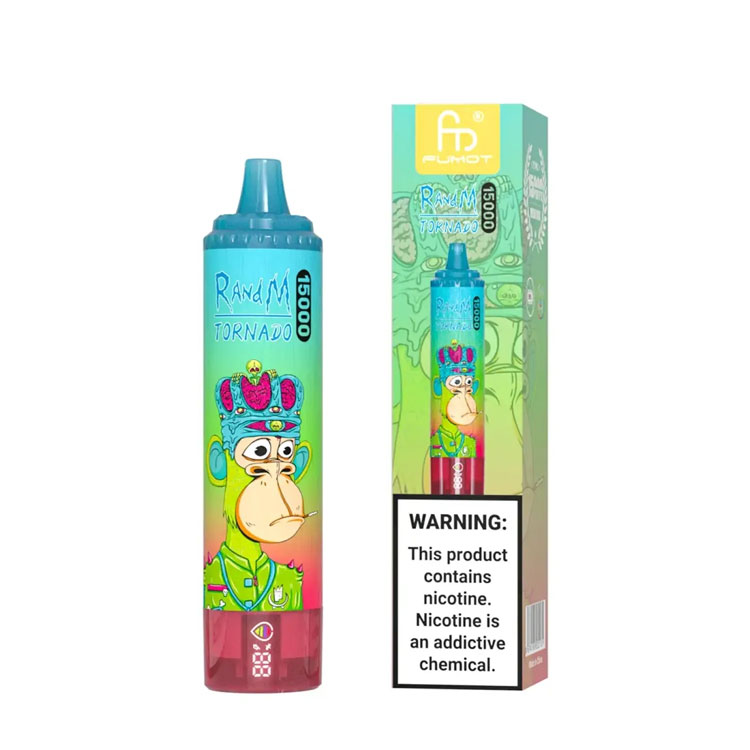

In conclusion, the evolution of electronic cigarette e-liquid is marked by innovation, regulatory adaptation, and increased consumer awareness. As the industry progresses, both manufacturers and consumers must stay abreast of changes to ensure a safe and enjoyable vaping experience.